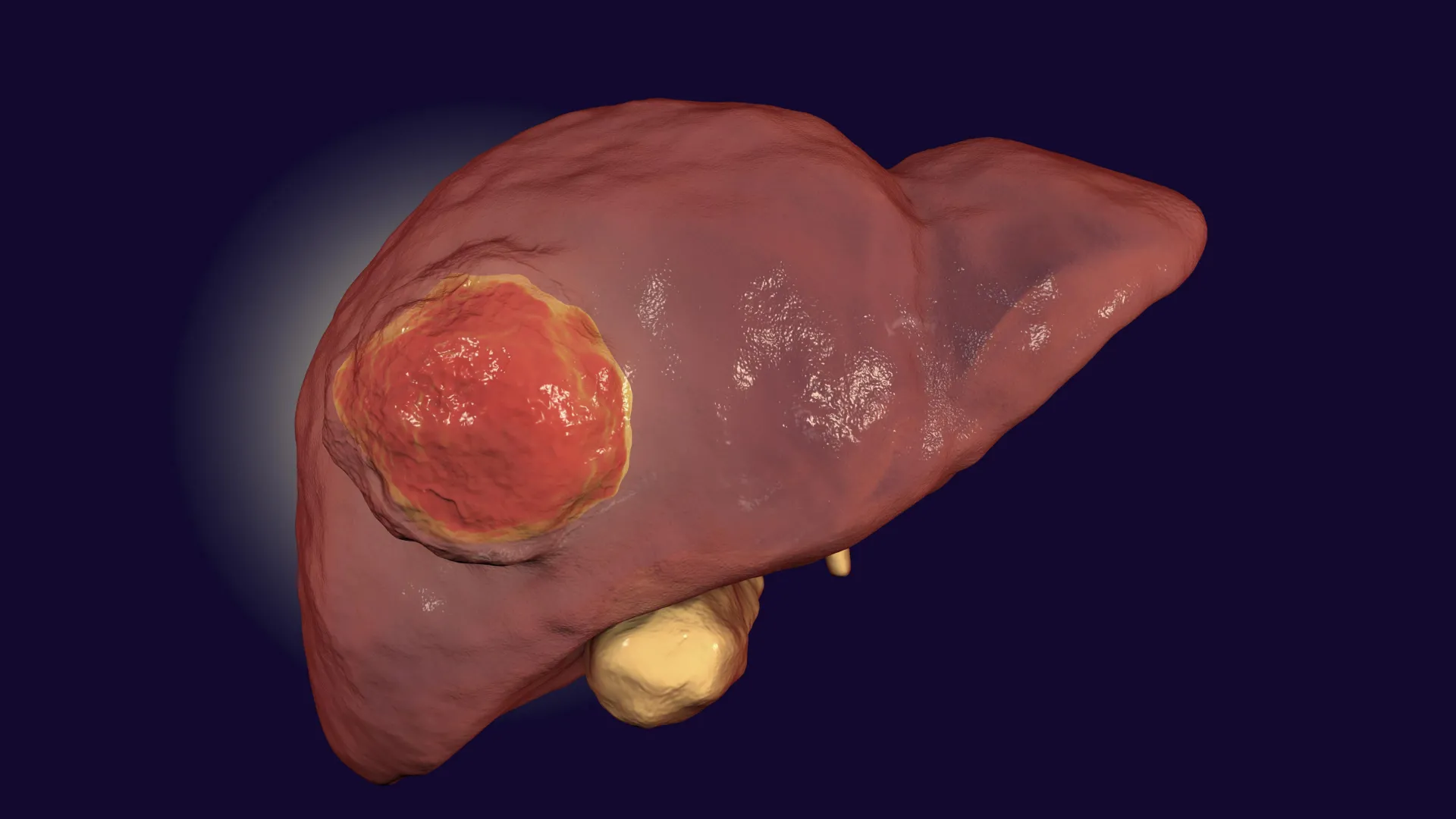
In the high-stakes world of oncology, few challenges are as daunting as the treatment of fibrolamellar carcinoma (FLC), a rare and aggressive form of liver cancer that primarily targets children and young adults. For decades, this disease has remained a medical enigma, largely impervious to the revolutionary wave of immunotherapy that has transformed the prognosis for patients with other malignancies. However, a groundbreaking study published in the journal Gastroenterology has finally pierced the veil of this resistance, offering a potential lifeline through a strategy that repurposes an existing, FDA-approved medication.
The Invisible Barrier: Understanding the Clinical Challenge
Fibrolamellar carcinoma accounts for approximately 2% of all liver cancer cases globally. Unlike the more common hepatocellular carcinoma, which is frequently associated with cirrhosis or chronic hepatitis, FLC often arises in patients with otherwise healthy livers. Because the disease is frequently asymptomatic in its early stages, it is often discovered only after it has metastasized to other parts of the body.
The current standard of care—primarily surgical resection—is rarely curative in advanced stages, and traditional systemic treatments have yielded lackluster results. For patients, the diagnosis has historically carried a heavy burden: limited treatment options and a grim outlook on survival. The scientific community has long sought to understand why these tumors are so adept at evading the body’s natural defenses, specifically the T cells, which are the immune system’s "seek and destroy" units.
The Mechanism of T-cell Exclusion
The recent study, co-authored by Praveen Sethupathy, professor of physiological genomics at Cornell University, and Dr. Venu Pillarisetty, a surgical oncologist at the University of Washington, identifies a phenomenon known as "T-cell exclusion" as the primary culprit behind immunotherapy failure.
Immune checkpoint inhibitors—a class of drugs designed to "take the brakes off" the immune system—rely on T cells successfully infiltrating the tumor mass to eliminate cancer cells. In many cancers, such as melanoma and certain lung cancers, these drugs have been transformative. In FLC, however, the researchers found that the tumor microenvironment is effectively fortified against these immune soldiers.
The tumor does not merely hide; it actively manipulates its surroundings. Through the use of single-nucleus transcriptomics—a sophisticated technology that allows researchers to analyze the gene expression of individual cells—the team mapped the tumor’s architecture with unprecedented clarity. They discovered that the tumor recruits and alters local liver cells called stellate cells. Once "corrupted," these stellate cells create a physical and chemical barricade, secreting fibrous proteins that form the characteristic bands from which fibrolamellar carcinoma gets its name. More importantly, these altered cells send chemical signals that trap T cells in the periphery of the tumor, preventing them from penetrating the interior where the cancer cells reside.
Chronology of Discovery: From Lab Bench to Breakthrough
The journey to this discovery began with a fundamental question: Why does the immune system ignore FLC tumors?
- Initial Hypothesis: Researchers suspected that the dense, fibrous bands characteristic of FLC might act as a physical wall, but the exact mechanism of immune evasion remained unclear.
- Technological Advancement: The application of single-nucleus transcriptomics was the turning point. By isolating the nuclei of cells within the tumor tissue, the team could identify which genes were active. They discovered that the altered stellate cells were not just structural support; they were active, deceptive communicators.
- The Signaling Discovery: The data revealed that these stellate cells were emitting distress signals to T cells, effectively luring them into the "fibrous zones" where they became inactive and trapped.
- The Repurposing Strategy: Upon identifying the signaling pathway, the researchers looked for a way to break the chain. They turned their attention to AMD3100, a drug already approved by the FDA for other medical conditions (typically used to mobilize stem cells). They hypothesized that if they could block the signal that traps the T cells, the immune system might finally gain access to the tumor core.
- Validation: Laboratory tests on patient-derived tumor slices demonstrated that AMD3100 successfully redirected T cells toward the center of the tumor. When combined with immune checkpoint inhibitors, the results were synergistic, leading to a significant increase in cancer cell death.
Supporting Data and Technical Nuance
The precision of this study lies in its methodology. By utilizing single-cell technology, the researchers were able to dismantle the "black box" of the tumor microenvironment. Andreas Stephanou, a co-first author and Cornell graduate student, noted that the technology provided the "clear picture" necessary to distinguish between normal liver tissue and the hijacked stellate cells within the tumor.
The data suggests that the fibrous bands are more than just a diagnostic hallmark of FLC; they are a critical component of the tumor’s survival strategy. The research team found that by introducing AMD3100, they could essentially "re-program" the traffic flow of the immune system. When the drug blocks the specific signaling pathway used by the tumor to sequester T cells, those cells regain their motility and intent. In petri-dish simulations of the tumor microenvironment, the combination of AMD3100 and standard checkpoint inhibitors resulted in a measurable surge in tumor cell apoptosis, or programmed cell death.
Official Responses and Expert Perspectives
The academic and clinical communities have greeted these findings with cautious optimism. For researchers like Professor Sethupathy, the significance extends beyond the specific drug in question.
"Our results provide among the first indications of why a type of immunotherapy called immune checkpoint inhibition hasn’t worked well in these patients," Sethupathy stated. "Even if this particular drug isn’t the end-all-be-all, it teaches us that this T-cell exclusion phenomenon is an important one to tackle in fibrolamellar carcinoma."
Dr. Venu Pillarisetty, the co-senior author of the study, emphasized the practical utility of the findings. Because AMD3100 is already established as safe for human use, the regulatory pathway for testing it in FLC patients is significantly shorter than that of an experimental compound. "A compelling feature of this work is that AMD3100 is already FDA-approved, which can reduce risks and potentially speed up timelines for clinical trials in fibrolamellar carcinoma," Sethupathy added, highlighting the team’s ongoing efforts to connect with liver cancer specialists to initiate human trials.
Implications for the Future of Oncology
The implications of this research are twofold. First, it offers a concrete path forward for FLC patients who have historically had few, if any, options beyond surgery. If clinical trials prove successful, this could represent the first major leap in systemic therapy for this rare cancer.
Second, the study serves as a masterclass in modern cancer research. By demonstrating how a tumor microenvironment can be manipulated to exclude the immune system, the researchers have provided a blueprint for studying other "cold" or resistant cancers, such as pancreatic and prostate cancer. The ability to identify the signaling pathways that exclude T cells and then deploy existing pharmaceutical agents to block those signals could redefine how oncologists approach tumors that have long been considered untreatable.
As the team works to translate these findings into clinical settings, the broader oncology community watches with keen interest. The Fibrolamellar Cancer Foundation, which provided crucial funding for this research, remains committed to the translation of these scientific insights into tangible patient benefits.
The story of fibrolamellar carcinoma is shifting from one of helplessness to one of targeted intervention. By understanding the intricate language of the tumor’s internal environment, scientists are learning how to silence the signals that protect cancer, finally opening the door for the body’s own immune system to do the work it was designed to do. For the young patients facing this diagnosis, this development provides more than just data—it provides a renewed sense of possibility.