In a landmark study that blurs the lines between evolutionary biology and oncology, researchers at the Japan Advanced Institute of Science and Technology (JAIST) have uncovered a potent weapon against cancer residing in the most unlikely of places: the intestines of the Japanese tree frog (Dryophytes japonicus).
The study, published in the journal Gut Microbes, details the discovery of a naturally occurring bacterium, Ewingella americana, which has demonstrated a staggering 100% success rate in eradicating colorectal tumors in mouse models. This research marks a paradigm shift in how scientists approach the "living drug" concept, moving away from manipulating the complex gut microbiome toward deploying specific, laboratory-grown bacterial strains as precise, tumor-seeking missiles.
Main Facts: A New Frontier in Oncology
The core breakthrough of the JAIST study lies in its shift from systemic microbiome modulation to targeted bacterial therapy. While previous research has attempted to treat cancer by altering the overall composition of gut flora or utilizing fecal microbiota transplants, the JAIST team—led by a multidisciplinary group of experts—isolated individual strains from the intestinal tracts of three Japanese amphibians: the tree frog, the fire-bellied newt, and the grass lizard.
Of the 45 strains initially collected, nine demonstrated notable anti-tumor potential. Among these, Ewingella americana emerged as the clear frontrunner. When delivered intravenously to mice afflicted with colorectal cancer, a single dose proved sufficient to induce a "complete response," effectively clearing the tumors. Most impressively, this treatment outperformed current gold-standard therapies, including anti-PD-L1 immune checkpoint inhibitors and the common chemotherapy agent liposomal doxorubicin.
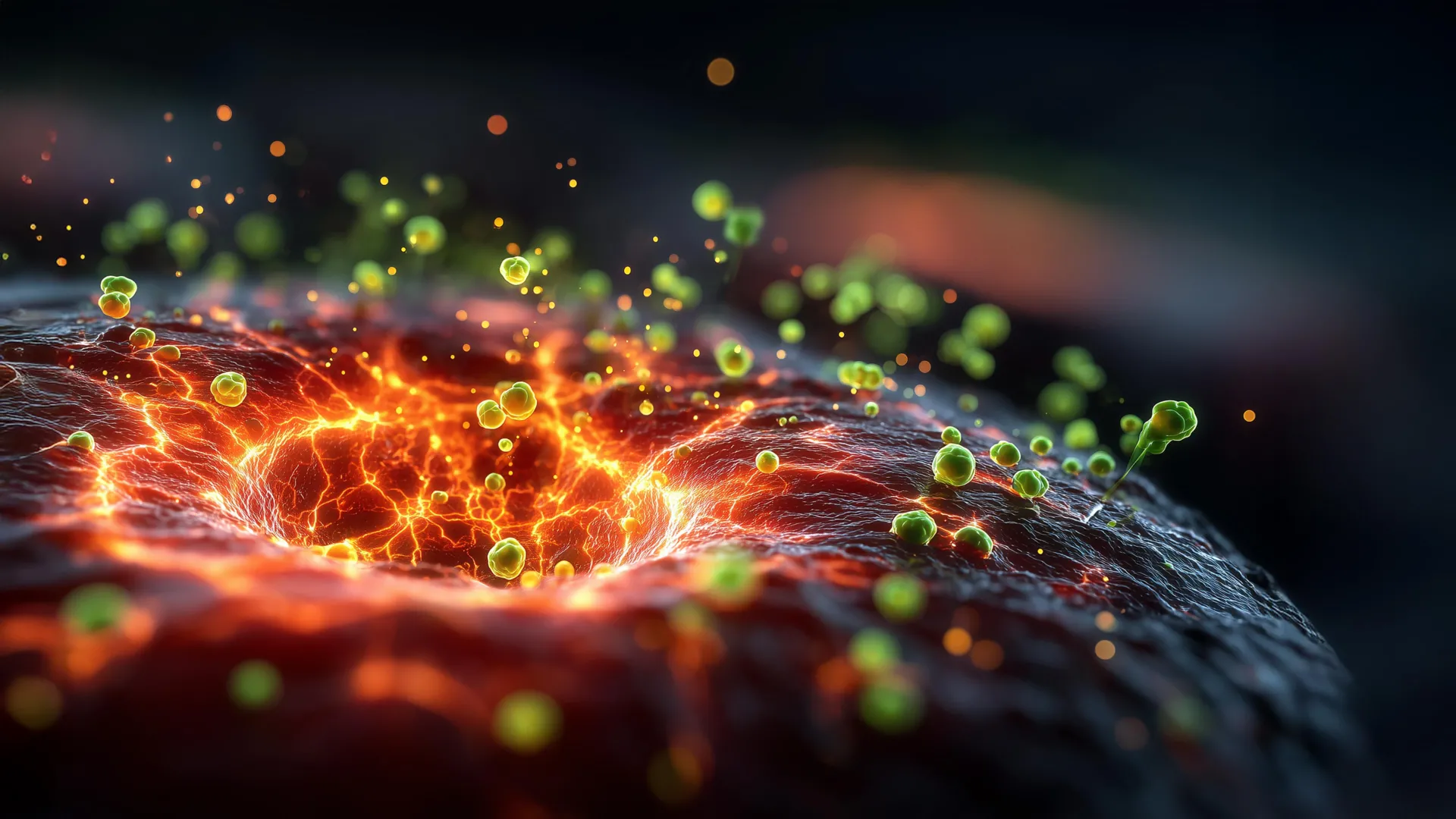
The therapeutic mechanism is twofold. First, as a facultative anaerobe, E. americana thrives in the low-oxygen environments that characterize the interior of solid tumors. Once it reaches the tumor site, it proliferates aggressively—increasing its population by roughly 3,000-fold within 24 hours—directly damaging malignant cells. Second, it acts as an immunological "red flag," recruiting T cells, B cells, and neutrophils to the site. These immune cells then secrete pro-inflammatory cytokines such as TNF-α and IFN-γ, creating an inhospitable environment for the tumor and triggering programmed cell death.
Chronology of Discovery: From Amphibian Gut to Lab Bench
The journey from the wild to the laboratory was a meticulous process of bio-prospecting and validation.
Phase 1: Exploration (Screening and Isolation)
The research team began by conducting a biological survey of native Japanese amphibians. Understanding that animals living in diverse environments often harbor unique microbial signatures, the researchers hypothesized that these organisms might possess bacterial strains with specialized survival mechanisms. They systematically collected and isolated 45 distinct bacterial strains.
Phase 2: The Screening Process
Each of the 45 strains was subjected to rigorous screening protocols to identify those with the highest affinity for tumor tissues and the greatest potential for cytotoxic activity. This phase was crucial for filtering out non-efficacious or potentially harmful strains. Nine strains showed initial promise, with E. americana displaying the most robust and consistent tumor-targeting capabilities.
Phase 3: The Mouse Model Trials
Once the strain was identified, the team initiated in vivo trials using a mouse model of colorectal cancer. The results were unprecedented. A single intravenous injection was not only effective but also remarkably fast-acting, with the bacterial population peaking inside the tumors within the first day of treatment.
Phase 4: Safety and Clearance Evaluation
Following the tumor eradication, the team monitored the mice for 60 days. They observed the pharmacokinetics of the bacteria, discovering that the agent is rapidly cleared from the bloodstream with a half-life of just 1.2 hours. By the 24-hour mark, the bacteria were undetectable in the circulatory system and, crucially, were not found in any vital organs, including the heart, liver, lungs, or kidneys.
Supporting Data: Why the Bacteria Choose the Tumor
One of the most profound questions addressed by the JAIST researchers is why E. americana remains strictly localized to tumors, avoiding the collateral damage that often plagues conventional cancer therapies. The researchers identified several key factors that contribute to this remarkable specificity:
- Metabolic Preference: As a facultative anaerobe, the bacterium is uniquely equipped to survive in the hypoxic (low-oxygen) core of a tumor, a characteristic that healthy, oxygenated tissues do not share.
- Immune Evasion and Recruitment: The bacteria effectively navigate the tumor microenvironment, where the immune system is often suppressed. By stimulating the influx of immune effector cells, they "unlock" the tumor’s defenses.
- Rapid Clearance: The host’s immune system successfully clears the bacteria from healthy tissue rapidly, preventing systemic infection and ensuring that only the localized, protected environment of the tumor allows for sustained bacterial colonization.
The data indicates that while there is an initial period of mild inflammation, this reaction is transient and resolves within 72 hours. The absence of chronic toxicity throughout the 60-day observation period suggests that E. americana possesses a favorable safety profile that warrants further investigation.
Official Responses and Scientific Perspective
The researchers involved in the project, while optimistic, maintain a rigorous scientific stance regarding the implications of their work. They emphasize that while the results are statistically significant in mouse models, the jump to human clinical trials requires extensive further investigation.
"The findings serve as a proof of concept," the team noted in their official release. "We have demonstrated that nature holds vast, untapped resources for oncology. The challenge now lies in translating these results into safe, effective clinical protocols."
The academic community has received the study with significant interest. The use of "bacterial therapy" is an emerging field, and the specificity shown by E. americana addresses the "holy grail" of oncology: the ability to treat malignant tissue without impacting the patient’s overall quality of life or damaging healthy organs. By tapping into biodiversity, the researchers have opened a new pathway for discovering treatments that were previously hidden in the commensal flora of wildlife.
Implications: The Future of Cancer Therapy
The implications of this discovery are vast and suggest a multi-pronged strategy for the future of medicine.
Expanding the Scope
The researchers are already planning follow-up studies to test the efficacy of E. americana against other solid tumor types, including breast cancer, pancreatic cancer, and melanoma. Given the universal characteristics of solid tumors—such as their hypoxic centers—there is a high probability that this bacterium could prove effective beyond colorectal cancer.
Optimizing Treatment Modalities
The team is looking beyond the single-injection model. Future research will explore:
- Dose Fractionation: Determining if smaller, repeated doses could enhance efficacy while further reducing the risk of temporary inflammation.
- Intratumoral Injection: Assessing whether direct application could maximize the local concentration of the bacteria, particularly for deep-seated or inaccessible tumors.
- Combination Therapies: Investigating whether E. americana can act as a "sensitizer," making tumors more responsive to traditional chemotherapy or immunotherapy, thereby allowing for lower, less toxic doses of those traditional drugs.
Biodiversity as a Medical Vault
Perhaps the most lasting implication of this research is the validation of biodiversity conservation as a component of medical research. By looking at the intestinal microbiomes of amphibians, scientists have found a therapeutic agent that might have remained undiscovered had those species been lost or overlooked. This highlights the importance of protecting global biodiversity, as the "cures" for some of humanity’s most persistent diseases may be waiting in the gut of a tree frog or the skin of a lizard.
Closing Thoughts
While the road from a petri dish in Japan to a standard-of-care clinical treatment is long and fraught with regulatory hurdles, the work of the JAIST team represents a monumental leap forward. Ewingella americana is more than just a bacterium; it is a symbol of a new era in medicine where we stop fighting cancer solely with chemicals and radiation, and start partnering with the biological agents that have evolved alongside life itself.
The study was made possible through the support of the Japan Society for the Promotion of Science (JSPS) and the Japan Science and Technology Agency (JST), underscoring the vital role of sustained institutional investment in high-risk, high-reward medical innovation. As the world watches, the next chapter for E. americana will be the transition from the laboratory bench to the clinic, a transition that could redefine the prognosis for millions of cancer patients worldwide.