









For decades, the standard dogma of nutritional science was deceptively simple: a calorie is a calorie. Whether derived from a crisp apple, a slice of bread, or a spoonful of high-fructose corn syrup, the prevailing assumption held that the human brain calculated energy intake primarily by tallying up the total caloric value. However, a groundbreaking study published on June 10 in the journal Neuron has shattered this foundational assumption, revealing that the brain does not merely count calories—it distinguishes between the chemical identities of sugars.
Researchers at the Monell Chemical Senses Center have unveiled that fructose and glucose, the two primary components of dietary sugars, communicate with the brain through entirely distinct gut-brain pathways. This biological divergence explains why certain sweetened products possess an almost addictive allure and suggests that the modern, high-fructose diet may be "tricking" our neural systems in ways we are only beginning to comprehend.
The Dissection of Sugar Signaling: A New Chronology of Research
The investigation into how sugar influences human appetite has been a long-standing quest for neuroscientists. While it was previously understood that the gut communicates with the brain via the vagus nerve, the specific "language" used by different sugars remained a mystery.
The Initial Inquiry
The team at Monell, led by senior author Dr. Amber Alhadeff, initiated the study to determine if the brain’s hunger centers—specifically the agouti-related protein (AgRP) neurons—could differentiate between caloric sources. Historically, these neurons were viewed as a unified "calorie counter." If the brain received a certain volume of energy, it was expected to dial down hunger signals accordingly.
Experimental Methodology
To test this, researchers monitored the neural activity of mice exposed to precise, controlled doses of glucose and fructose. By utilizing advanced neuro-imaging and nerve-blocking techniques, the team mapped the signaling routes from the gut to the brain in real-time.
They observed that when mice consumed glucose, a robust, direct suppression of AgRP neurons occurred. In contrast, fructose triggered a more circuitous, less efficient route. Fructose required the release of the gut hormone PYY, which then signaled through the vagus nerve to the brain. This "detour" resulted in a significantly weaker dampening effect on hunger-driven neurons compared to glucose.
Decoding the Neural Pathways: Supporting Data
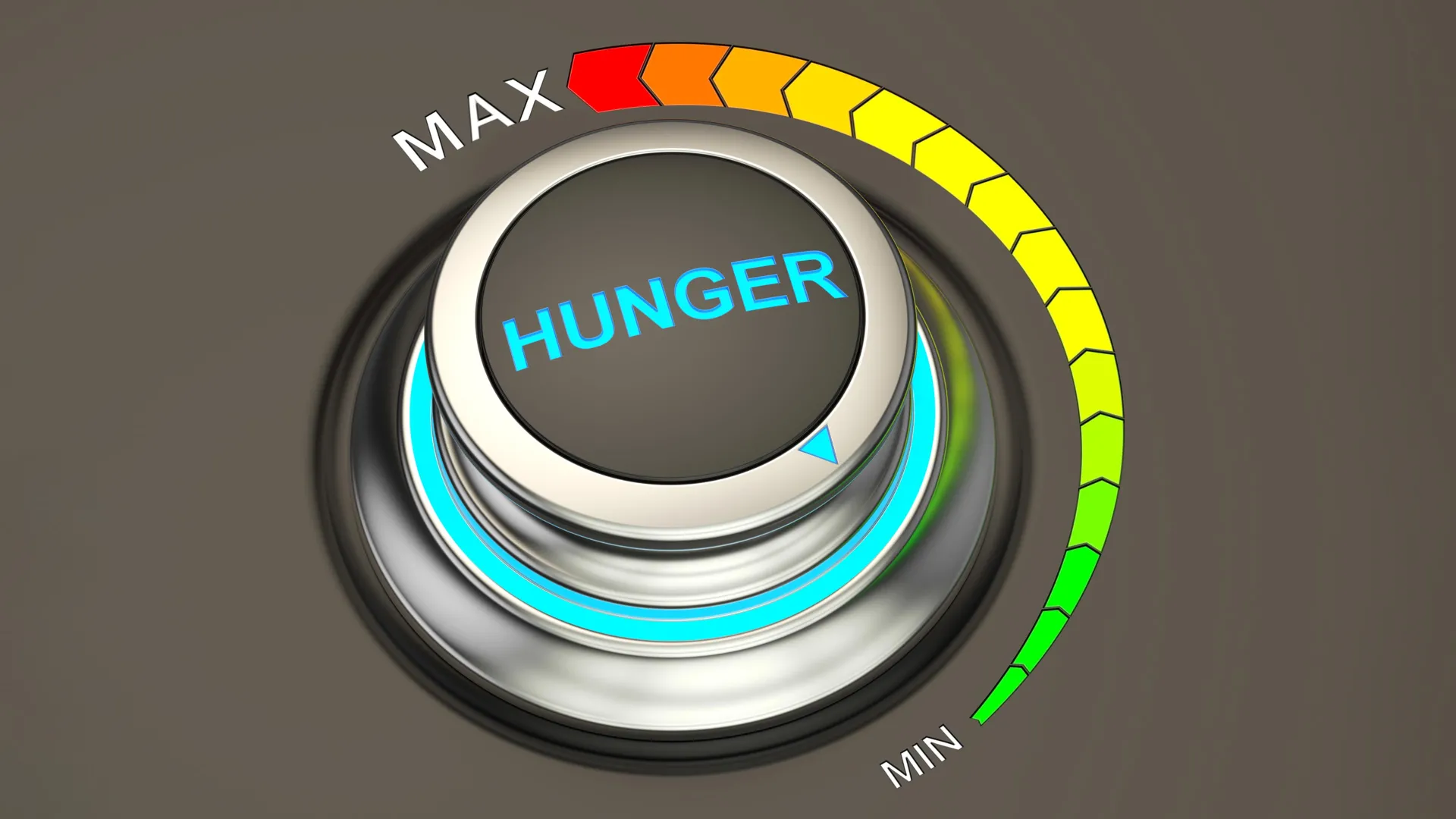
The study’s data provides a granular look at how these sugars govern our behavior. The findings center on the AgRP neurons, which are widely considered the primary drivers of hunger. When these neurons are active, an organism feels the urge to seek out and consume food.
The Glucose Advantage
Glucose, the primary fuel for the human body, appears to have a direct line to the brain’s "satiety centers." According to the Monell findings, glucose does not rely on the PYY-Y2 vagus nerve pathway used by fructose. By bypassing this intermediary, glucose produces a powerful, immediate suppression of AgRP activity. This suggests that the brain is hardwired to recognize glucose as a highly efficient fuel source, rewarding its consumption with a swift "off switch" for hunger.
The Fructose Fumble
Fructose, conversely, presents a more complex metabolic profile. While it does eventually increase levels of the hormone PYY, the resulting inhibition of hunger neurons is modest. When researchers experimentally disrupted the PYY-vagus nerve pathway, fructose lost its ability to influence those neurons entirely. This confirms that fructose’s ability to signal "fullness" is fundamentally weaker and more fragile than that of glucose.
The High-Fructose Corn Syrup (HFCS) Factor
Perhaps the most striking discovery involved High-Fructose Corn Syrup (HFCS), a ubiquitous sweetener in modern processed foods. When the researchers tested a combination of fructose and glucose, the results were synergistic. The mice exhibited a clear preference for HFCS over pure fructose, and the mixture suppressed AgRP neuron activity more effectively than fructose alone. This discovery provides a potential neurobiological explanation for the sensory appeal of HFCS-laden beverages and snacks: it essentially "tricks" the brain into a state of heightened reward while simultaneously failing to provide the same satiety signaling strength as a balanced, natural diet.
Perspectives from the Frontline: Official Responses
The implications of this research have rippled through the scientific community, prompting a re-evaluation of dietary guidelines.
"This work adds to our growing understanding of how modern diets, especially those high in fructose or high-fructose corn syrup, interact with the neural systems involved in appetite," said Dr. Amber Alhadeff, the senior author of the study. Her sentiment reflects a shift in the scientific consensus: we can no longer view nutrition through the narrow lens of caloric density.
Independent experts not involved in the study have praised the methodology for its precision. By isolating specific neural pathways, the team has provided a blueprint for future obesity research. "We are moving past the era of the ‘calorie-only’ model," noted one nutritionist familiar with the study. "We now have to consider the ‘nutrient-signaling’ model, where the specific chemistry of a food changes how the brain perceives the need for more energy."
Broader Implications: The Future of Nutrition and Public Health
The realization that our brain treats fructose and glucose as entirely different substances carries profound implications for public health, the food industry, and individual dietary choices.
Challenging the Caloric Myth
For years, diet culture has focused heavily on the "calories in, calories out" (CICO) framework. While this model is mathematically sound regarding weight gain, it is biologically incomplete regarding human behavior. If the brain is not receiving a strong enough "satiety signal" from fructose—despite the intake of calories—it is highly likely that individuals consuming high-fructose diets will continue to feel hungry, even after consuming sufficient energy. This creates a biological loop of overconsumption.
The "Appetite Gap"
This "appetite gap" may be a significant contributor to the global obesity crisis. Because modern, ultra-processed foods are often engineered with high concentrations of fructose or HFCS, the brain’s hunger-suppression mechanisms are not triggered with the same intensity as they would be with whole foods. The result is an environment where the body is well-fed, but the brain remains "starved," driving the user to seek out more food.
Clinical Applications
The identification of the PYY-vagus nerve pathway as the primary communication route for fructose opens new doors for medical intervention. Could future weight-loss therapeutics target these specific receptors? Could we develop dietary strategies that "re-train" the gut-brain connection to respond more effectively to various sweeteners? These are the questions currently being explored by the team at Monell and their collaborators.
A Call for Dietary Vigilance
The study serves as a scientific warning regarding the consumption of ultra-processed foods. As researchers continue to map the gut-brain axis, the case for eating whole, unprocessed foods grows stronger. When consumed as part of a whole food—such as in a piece of fruit—fructose is accompanied by fiber and other nutrients that slow its absorption and mitigate its impact on the brain’s signaling pathways. It is the isolated, refined fructose in sweetened beverages and candies that presents the most significant challenge to the brain’s delicate hunger-regulation system.
Conclusion: Understanding the Language of the Gut
The research from the Monell Chemical Senses Center is a milestone in the study of metabolic health. By demonstrating that AgRP neurons can distinguish between different sugars, the team has effectively ended the notion that the brain is a simple calculator. It is, instead, a sophisticated, highly sensitive sensor that reads the chemical composition of our meals to decide when we have had enough.
As we move forward, the challenge for both public health officials and the food industry will be to translate these findings into actionable advice. It is no longer enough to look at the calorie count on a nutrition label; we must consider the composition of the sugars within. By understanding the distinct ways in which our biology processes glucose and fructose, we can better navigate the modern food environment, making choices that respect the complex, evolutionary design of our brains and bodies.
The research described in this report was made possible through the generous support of the National Institutes of Health (grants R01DK131558, DP2AT011965, R01DK116004, F31DK13558, and S10OD030354), alongside contributions from the American Heart Association, the New York Stem Cell Foundation, the Klingenstein Fund, the Simons Foundation, the Pew Charitable Trusts, the Penn Institute for Diabetes, Obesity, and Metabolism, the Hearst Fellowship, and the Monell Chemical Senses Center.