For over two millennia, the foundational dogma of oncology has remained remarkably static: cancer is an enemy to be annihilated. From the cauterization techniques of the ancient Greeks to the modern era of high-intensity chemotherapy, radiotherapy, and targeted immunotherapy, the medical objective has been the systematic destruction of malignant cells. We bombard, poison, and excise, operating under the assumption that if we kill enough of the tumor, we win the war.
But what if this aggressive, scorched-earth strategy is fundamentally flawed? A growing contingent of researchers is beginning to challenge this 2,500-year-old paradigm. Leading this intellectual shift is Professor Indraneel Mittra, a renowned surgical oncologist at the Advanced Centre for Treatment, Research and Education in Cancer (ACTREC) in Mumbai, India. His recent research suggests that the path to a cure may not lie in the destruction of the tumor, but in the sophisticated management of its biology—essentially, coaxing the cancer into a "healed," less aggressive state.
The "Wound That Never Heals" Hypothesis
The theoretical framework for Professor Mittra’s work traces back to a seminal 1986 observation by Dr. Harold Dvorak, published in the New England Journal of Medicine. Dvorak famously posited that cancer behaves not like a foreign invader, but like a "wound that never heals."
Both chronic wounds and tumors share a biological profile: they are characterized by persistent inflammation, the recruitment of immune cells, and the continuous remodeling of the surrounding tissue architecture. If cancer is, in biological terms, a perpetual wound, then attempting to "kill" it with toxic drugs may actually exacerbate the inflammatory environment, inadvertently triggering the very mechanisms that drive tumor progression and metastasis.
Professor Mittra’s proposition is radical in its simplicity: instead of applying increasingly potent toxins that cause collateral damage to the patient, medicine should investigate methods to stabilize the tumor, neutralizing its "wound-like" properties and guiding it toward a benign, dormant state.
Testing the Gentle Strategy: The Glioblastoma Breakthrough
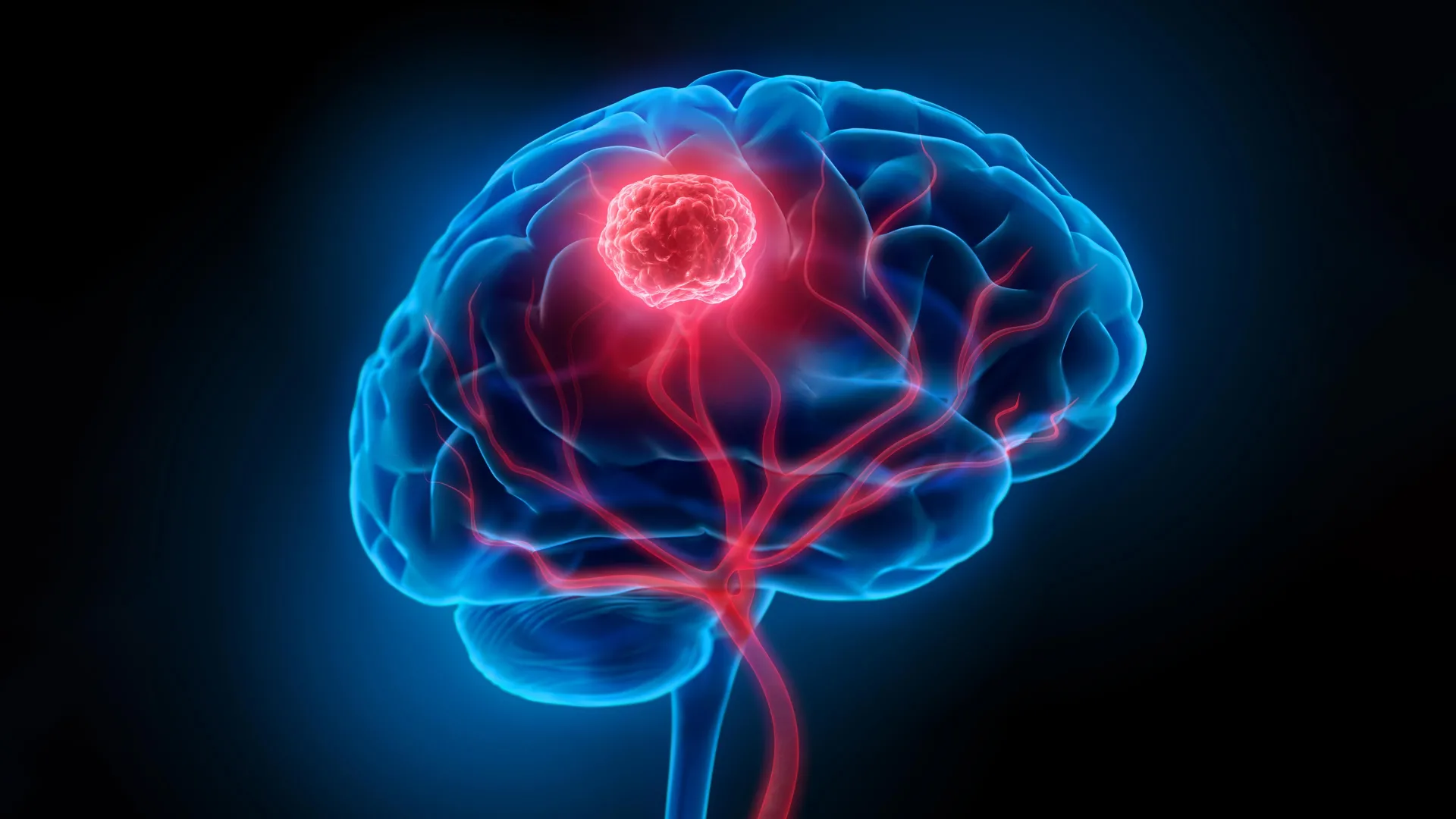
To test this hypothesis, Mittra’s team focused on glioblastoma—arguably the most formidable adversary in neuro-oncology. Glioblastoma is notoriously aggressive; even with the gold-standard combination of surgery, radiation, and chemotherapy, the median survival rate remains a sobering 15 months. It is a disease defined by its resistance and its rapid, relentless growth.
In a recent study published in BJC Reports, Mittra and his colleagues conducted a pilot clinical trial involving ten patients diagnosed with glioblastoma. In the days leading up to their scheduled brain surgery, these patients were administered a simple, low-cost tablet containing a combination of two common nutraceuticals: resveratrol and copper. The regimen consisted of taking the tablet four times a day for an average of 11.6 days.
To assess the efficacy of this "gentle" intervention, the researchers compared these ten patients against a control group of ten patients with similarly aggressive tumors who did not receive the nutraceutical regimen. Upon surgical removal of the tumors, the team subjected the tissue samples to a rigorous battery of tests, including high-resolution microscopy, immune-staining, immunofluorescence, and transcriptome analysis.
The results were, by all accounts, transformative. The tumors from the patients who had received the resveratrol-copper combination showed distinct, favorable shifts in biological markers compared to the control group. Most significantly, these improvements were achieved without a single documented side effect, a stark departure from the toxicity profiles associated with standard chemotherapy.
The Mechanism: Neutralizing Cell-Free Chromatin
The central mystery of the study was how such simple, inexpensive supplements could exert such a profound effect on a high-grade brain tumor. The answer, according to Professor Mittra, lies in the regulation of cell-free chromatin particles (cfChPs).
As cancer cells die—either naturally or through standard treatment—they release fragments of DNA into the surrounding tissue and bloodstream. These fragments, known as cfChPs, are far from inert. They act as "danger signals," inflaming the surviving cancer cells and creating a chaotic, pro-inflammatory microenvironment that encourages further mutation and accelerated growth.
"The cell-free chromatin particles released by dying cancer cells inflame the surviving cancer cells, making the disease more aggressive," Professor Mittra explains. "If you eliminate the cell-free chromatin, the cancer is subdued."
The resveratrol-copper combination acts as a precise molecular cleaner. When combined, these two substances generate oxygen radicals that selectively deactivate or destroy these cfChPs. In the study, while cfChPs were abundant in the tissue samples of the untreated control group, they were almost entirely absent in the tissue of those who had taken the tablets. By preventing the inflammatory feedback loop triggered by these DNA fragments, the treatment effectively "tamed" the tumor’s environment, allowing for apoptosis (programmed cell death) to occur in a controlled manner, rather than a messy, inflammatory death.
Implications: A New Frontier for Cancer Care
The implications of this research extend far beyond glioblastoma. One of the most compelling findings from the study was the downregulation of immune checkpoints.
In recent years, immune checkpoint inhibitors have revolutionized oncology, offering hope to patients with previously untreatable cancers. However, these drugs are notoriously expensive—often costing tens of thousands of dollars per dose—and can trigger severe, life-threatening autoimmune side effects. The study suggests that the resveratrol-copper combination can influence these same biological pathways at a fraction of the cost and with a negligible safety risk.
This raises the prospect of a paradigm shift in global cancer care. If non-toxic, accessible nutraceuticals can mimic the efficacy of high-end immunotherapies by managing the tumor microenvironment, we could potentially democratize access to life-extending treatments.
The Path Forward: From Pilot to Protocol
While the results are undeniably striking, Professor Mittra is the first to emphasize the need for caution. The sample size of ten patients is small, and this study represents a preliminary proof-of-concept. However, the robustness of the data—supported by extensive molecular analysis—provides a strong mandate for larger, multi-center clinical trials.
"We have been trying to kill cancer cells for 2,500 years," Mittra notes. "Maybe it is time to look at cancer treatment differently and work towards healing tumors, rather than annihilating them. I fully expect these results to be replicated in larger samples. I believe that we may be on the brink of transforming the way cancer is treated."
The research, supported by the Department of Atomic Energy, Government of India, via a grant to the Tata Memorial Centre, has sparked a vigorous debate in the medical community. Critics will naturally point to the limitations of nutraceuticals in complex biological systems, while proponents see a potential "low-hanging fruit" that has been ignored due to the medical industry’s fixation on high-cost, high-toxicity drug development.
As the scientific community watches the follow-up studies with bated breath, one thing is clear: the conversation around cancer is changing. The focus is shifting from the battlefield to the biological ecosystem. If we can learn to stop treating cancer as a target for destruction and start viewing it as a systemic imbalance to be corrected, we may finally be moving toward a future where "cure" is not defined by the severity of the fight, but by the restoration of health.
Chronology of the Research
- 1986: Dr. Harold Dvorak publishes the "Wound That Never Heals" theory, providing the conceptual foundation for modern tumor microenvironment research.
- Recent Years: Professor Indraneel Mittra’s group at ACTREC conducts foundational research into the role of cell-free chromatin particles (cfChPs) in tumor progression.
- The Study: Ten glioblastoma patients are administered a resveratrol-copper nutraceutical tablet four times daily for ~11.6 days prior to surgery.
- Comparison: A control group of ten patients with similar tumor profiles is established.
- Analysis: Post-surgical tissue samples undergo microscopy, immune-staining, and transcriptome analysis.
- Publication: Findings are released in BJC Reports, highlighting the reduction of cfChPs and favorable shifts in immune markers.
- Current Phase: The research team is seeking to expand the trial to larger patient cohorts to confirm these findings and explore potential long-term applications.