









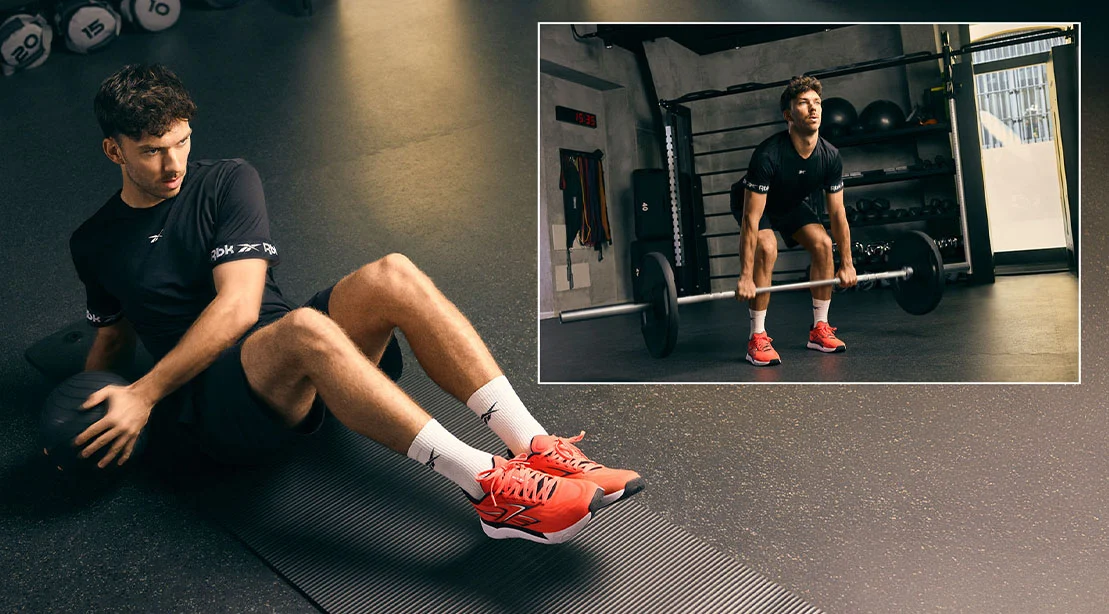
In the hyper-competitive landscape of athletic footwear, the "do-it-all" sneaker has long been the holy grail for product designers. The challenge is clear: create a shoe that provides the rock-solid stability required for heavy lifting, the responsive cushioning necessary for high-intensity interval training (HIIT), and the lightweight agility demanded by modern fitness racing formats like HYROX. With the upcoming release of the Reebok Nano Gym 2.0, the sportswear giant claims to have solved this equation, stripping away the excess to reveal a streamlined, high-performance tool.
At 10.6 ounces (approximately 300g), the Nano Gym 2.0 arrives as a 20% weight reduction from its predecessor. While weight reduction is often a hallmark of distance running shoes, applying such a drastic diet to a gym shoe—where structural integrity is paramount—requires a delicate engineering balancing act. To understand how Reebok achieved this, we must examine the intersection of material science, biomechanical research, and the evolving needs of the modern athlete.
Main Facts: The Anatomy of a Leaner Trainer
The Nano Gym 2.0 is not merely a cosmetic update; it is a fundamental reconfiguration of Reebok’s training philosophy. The core objective was to remove "dead weight"—any material that did not contribute directly to structural support or performance.
Key Specifications:
- Weight: 10.6 ounces (approx. 300g), representing a 20% decrease in mass.
- Midsole Technology: FLOATPULSE foam for high-rebound energy return.
- Outsole: Gym-specific flex-groove design with multi-directional rubber grip.
- Upper Construction: Engineered mesh with high-durability, targeted breathability zones.
- Retail Availability: July 16, 2026, via Reebok.com.
- MSRP: $100.
By focusing on "essentialism," Reebok’s design team, led by Director of Training Footwear Tal Short, has managed to maintain the rigorous standards of the Nano line while enhancing the user’s agility. The shoe is designed to act as a seamless extension of the foot, ensuring that the wearer never feels "weighted down" during rapid transitions in a circuit workout.
Chronology: The Evolution of the Nano Franchise
The Nano lineage has long been synonymous with the rise of functional fitness. Since the inception of the original Nano, the series has served as the baseline for CrossFit and general training enthusiasts. However, as the fitness industry has shifted toward hybrid training—incorporating elements of running, calisthenics, and endurance racing—the requirements for the footwear have morphed.
- The Early Era: The original Nano models focused primarily on lateral stability for Olympic lifting and static strength movements. These shoes were characterized by wider toe boxes and flatter, denser soles.
- The Shift to Hybridity: As HIIT and functional fitness classes gained global popularity, the market demanded a shoe that could handle short bursts of cardio without sacrificing the ability to handle a squat rack.
- The Nano Gym Debut: The first-generation Nano Gym was Reebok’s answer to the "busy person’s shoe"—an offering for those who move from the weight room to the treadmill or the agility ladder in a single session.
- The 2.0 Optimization: The Nano Gym 2.0 represents the refinement phase. By leveraging advances in foam density and mesh durability, Reebok has successfully trimmed the fat, prioritizing a "float-like" feel without compromising the locked-in sensation that athletes require for power output.
Supporting Data: Material Science and Biomechanics
The reduction of mass by 20% without sacrificing the shoe’s structural integrity is a feat of engineering that relies on two primary innovations: the redevelopment of the upper and the introduction of FLOATPULSE foam.
The Upper: Precision Breathability
Traditional gym shoes often rely on heavy overlays to prevent the foot from sliding within the shoe during side-to-side movements. In the 2.0, Reebok utilizes an engineered mesh that is mapped to the foot. By varying the weave density, they have created "breathability zones" that allow for maximum airflow while maintaining structural rigidity in high-stress areas (such as the midfoot). This "locked-in" fit ensures that the energy transfer from the foot to the floor is efficient, preventing the "slop" often found in lighter training shoes.
The Midsole: The FLOATPULSE Advantage
The star of the show is undoubtedly the FLOATPULSE foam. In conventional training shoes, foam is often either too soft (causing instability during heavy lifts) or too firm (lacking comfort during plyometrics). FLOATPULSE sits in the "goldilocks zone." It is a high-rebound, ultra-responsive compound designed to handle rapid loading. When an athlete jumps, the foam absorbs the impact; when they land, it returns that energy, aiding in the explosive transitions required for burpees, box jumps, and sprints.
The Outsole: Flexibility Meets Friction
The flex-groove outsole is the final piece of the puzzle. By using a series of strategically placed channels, the shoe allows the foot to articulate naturally. Whether the user is performing a deep squat or a dynamic lunge, the sole moves with the foot rather than forcing the foot to adapt to a rigid platform. The rubber grip is specifically formulated for gym surfaces, offering high traction on rubber flooring and turf alike.
Official Responses: Insights from Tal Short
Speaking on the development process, Tal Short emphasizes that the goal was never just to make a lighter shoe, but a smarter one.
"We worked on streamlining the design and removing any bulk or unnecessary materials that weren’t crucial to the performance of the shoe," Short explains. "The stability remains key. We didn’t want to sacrifice the ‘ground feel’ that people love in a training shoe, so we focused on the architecture of the sole to keep the athlete feeling connected to the floor, even while we added that spring-loaded responsiveness."
Short highlights that the versatility of the shoe is its greatest asset. "I’m most excited about the FLOATPULSE Foam in the midsole. It’s an ultra-responsive foam that creates high-rebound energy return, so it supports explosive movements in the gym and can take an athlete’s training routine to the next level."
When asked about the ideal use case, Short is quick to categorize the Nano Gym 2.0 as the ultimate "all-rounder." "Whether you need a reliable option for your regular gym routine, for trying out a new fitness class, or maybe dipping your toes into HYROX, you can confidently do it all. It offers the ultimate versatility."
Implications: The Future of Training Footwear
The release of the Nano Gym 2.0 carries significant implications for the wider fitness industry. It signals a departure from the "specialized shoe" model—where one buys a lifting shoe for lifting and a running shoe for running—toward a more integrated, minimalist approach.
1. The Rise of Hybrid Athletes
As fitness culture moves toward endurance-based functional fitness (exemplified by the explosive growth of HYROX and similar competitions), athletes are demanding gear that can keep up with a diverse range of disciplines. A shoe that is too heavy hinders the running portion of these races; a shoe that is too soft fails during the sled push or wall-ball sets. The Nano Gym 2.0 is positioned squarely at the center of this movement.
2. The Democratization of Performance
With an MSRP of $100, Reebok is making high-end training technology accessible. By avoiding the price inflation often seen in "professional-grade" gear, the brand is appealing to the mass-market fitness enthusiast who wants professional-level equipment without the professional-level price tag.
3. Sustainability through Minimalism
There is an implicit sustainability benefit to this design philosophy. By removing "unnecessary materials" and bulk, the brand is inherently using fewer resources in the manufacturing process. As consumers become more environmentally conscious, the "less is more" approach to footwear design will likely become a competitive advantage.
4. A New Standard for the "Gym-Floor" Shoe
The Nano Gym 2.0 sets a benchmark for the industry. Other manufacturers will undoubtedly be looking to this model to see if the market response justifies a deeper pivot toward weight-conscious training gear. If the 2.0 succeeds, we can expect a wave of "ultra-light trainers" across the athletic retail landscape in the coming years.
Final Thoughts: A Calculated Evolution
Reebok has successfully managed to iterate on a classic without losing its soul. The Nano Gym 2.0 is not trying to be a specialized marathon flat or a stiff-soled powerlifting boot. Instead, it is a masterclass in compromise—taking the best elements of performance design and compressing them into a package that is lighter, faster, and more comfortable than its predecessors.
For the gym-goer who demands performance but values convenience, the Nano Gym 2.0 is a compelling proposition. It offers the confidence of a stable base for those heavy Monday lifts, the energy return required for high-tempo Wednesday circuits, and the portability needed for the nomadic lifestyle of the modern fitness enthusiast.
As the industry prepares for the July 16, 2026 launch, the message from Reebok is clear: the future of training is lean, it is fast, and it is built to move. Whether you are a seasoned competitor or someone just beginning your fitness journey, the Nano Gym 2.0 is designed to ensure that the only thing holding you back is your own ambition.