










For decades, the field of oncology has operated under a foundational assumption: tumor suppressor genes are the body’s ultimate guardians. By producing proteins tasked with the meticulous maintenance and repair of DNA, these genes ensure that our genetic code remains stable. When they fail or are absent, the resulting accumulation of mutations often clears a path for cancer.
However, a groundbreaking study from the Penn State College of Medicine is challenging this paradigm, revealing that the relationship between DNA repair and cancer is far more complex than previously thought. According to new research published in Nature Communications, sometimes the body’s "repair crew" is not just absent—it is overactive, and that excessive activity can be just as destructive as a complete deficiency.
The Paradox of Over-Repair: When Scissors Cut Too Deep
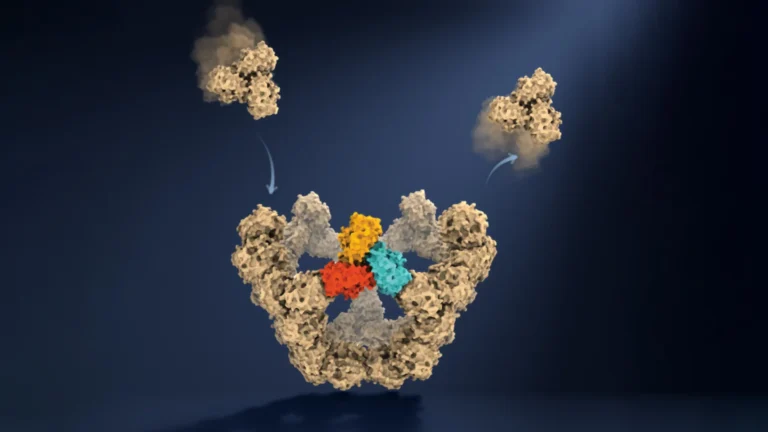
The study centers on the gene EXO1, which encodes a protein responsible for trimming and repairing damaged DNA. Under normal physiological conditions, EXO1 acts like a precision-engineered pair of molecular scissors, cleaning up genetic errors to ensure healthy replication.
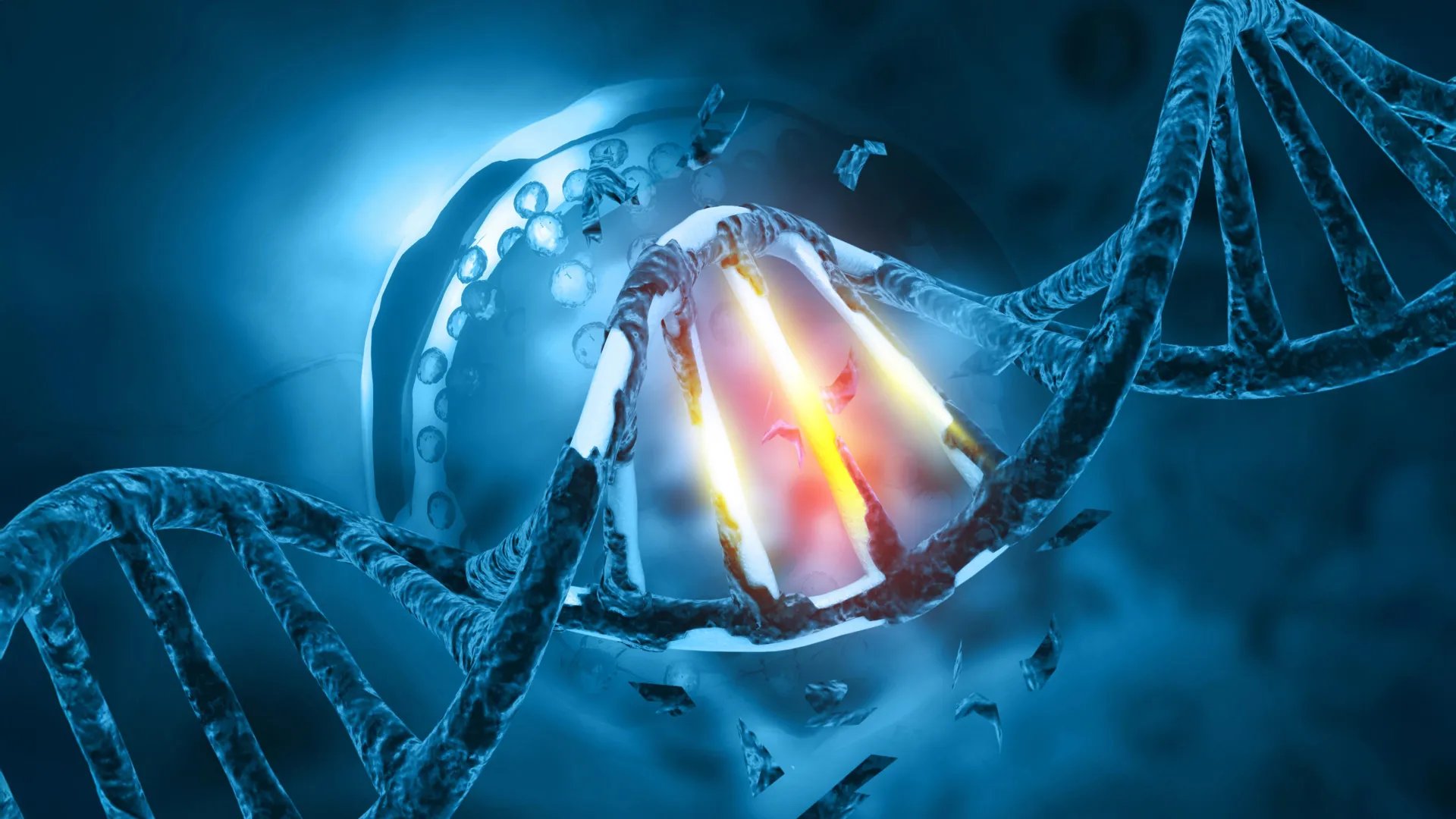
However, researchers discovered that when EXO1 is overexpressed, these "scissors" lose their sense of direction. Instead of trimming away only the harmful or damaged sections of the DNA helix, the overabundance of the protein leads to indiscriminate cutting. This causes the protein to destabilize the genome, breaking down healthy DNA structures and leaving the cell vulnerable to the very mutations it was meant to prevent.
"Under normal conditions, EXO1 functions like a pair of molecular scissors, helping trim and repair damaged DNA," explained George-Lucian Moldovan, a professor of molecular and precision medicine and the senior author of the study. "But when too much EXO1 is present, those scissors begin cutting DNA structures that should remain intact."
Chronology of Discovery: From Genomic Analysis to Laboratory Validation
The path to this discovery was multifaceted, beginning with a deep dive into massive datasets and ending with precise, mechanistic laboratory testing.
Phase 1: Analyzing the Landscape
The research team initiated their investigation by mining The Cancer Genome Atlas, a massive repository of cancer genomics managed by the National Cancer Institute. By analyzing thousands of tumor samples, they identified a recurring pattern: EXO1 was significantly overexpressed in 20% to 30% of breast and ovarian cancers.
Furthermore, the data revealed that this overexpression extended to a wide variety of other malignancies, including melanoma, testicular cancer, cervical cancer, and hepatobiliary cancers—a group of aggressive tumors affecting the liver, gall bladder, and bile ducts. Most notably, they found that elevated EXO1 levels were strongly associated with basal-like breast cancer, a subtype known for its aggressive nature and difficulty to treat.
Phase 2: Mechanistic Experiments
To confirm that this was a causal relationship rather than a mere correlation, the team turned to laboratory experiments using human cancer cells. By artificially inducing the production of EXO1, they observed the cellular response in real-time. To ensure the DNA damage was the result of the protein’s enzymatic activity, they also created a "disabled" version of the protein—one that occupied space in the cell but lacked the ability to cut DNA.
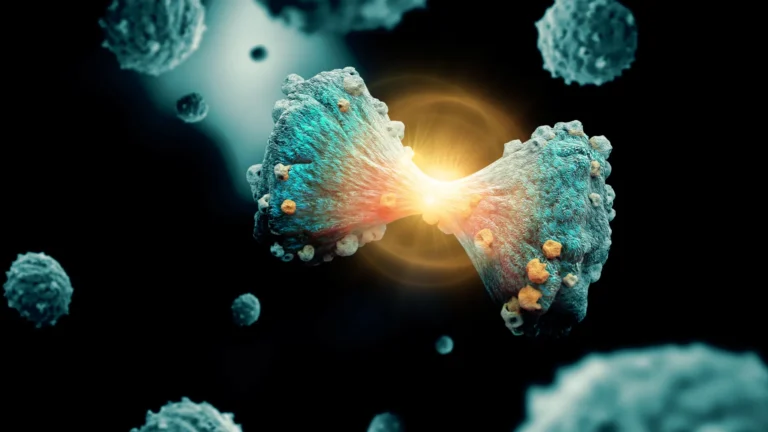
The results were clear: the DNA damage was exclusive to the active version of the protein. The researchers identified two primary mechanisms by which this damage occurs: the expansion of single-stranded DNA gaps and the degradation of reversed replication forks. Both processes serve to erode the genome, creating toxic lesions and double-strand breaks that fundamentally destabilize the cancer cell.
The BRCA Parallel: A New Way to View Cancer Susceptibility
Perhaps the most significant finding of the study is the behavioral similarity between EXO1-overexpressing tumors and those carrying BRCA mutations.
BRCA genes are famously responsible for producing proteins that protect vulnerable DNA structures during replication. When these genes are mutated—as seen in hereditary breast and ovarian cancer syndromes—the cell loses its "shield," leading to genomic instability. The Penn State team discovered that excessive EXO1 activity effectively achieves the same outcome as a BRCA mutation, even in patients who possess healthy, functional BRCA genes.
"Mechanistically, this overexpression does exactly what the loss of the BRCA pathway does in BRCA-mutant tumor cells," Moldovan noted. By overwhelming the cell’s natural protective mechanisms, EXO1-heavy tumors essentially mimic the "BRCA-deficient" state.
Clinical Implications: A Paradigm Shift in Treatment
The revelation that EXO1-overexpressing tumors "act" like BRCA-mutant tumors has profound implications for how we treat cancer. Currently, patients with BRCA mutations are treated with specific, targeted therapies—such as PARP inhibitors like olaparib—that exploit the cell’s inability to repair its own DNA.
Precision Medicine Through Biomarkers
Because EXO1-overexpressing tumors share the same vulnerability as BRCA-mutant tumors, they are also highly sensitive to these targeted drugs. This discovery opens the door to a new, broader category of patients who could benefit from treatments previously reserved only for those with hereditary mutations.
"EXO1 doesn’t predict cancer risk, but it could potentially serve as a biomarker to help predict which patients are more likely to respond to certain chemotherapy treatments, leading to more personalized therapies," said Alexandra Nusawardhana, the lead author of the study and a recent doctoral graduate in biomedical sciences at Penn State.
The team also tested cisplatin, a common chemotherapy agent. They found that tumors with elevated EXO1 were exceptionally sensitive to the drug. This suggests that physicians might eventually be able to use lower doses of traditional chemotherapy to achieve the same therapeutic results, significantly reducing the toxic side effects that often diminish a patient’s quality of life during treatment.
The Future of Oncology: Moving Beyond Tissue Type
The findings from this study reinforce a growing movement in medicine: the shift away from tissue-based diagnostics toward genetic-based diagnostics. For decades, a cancer in the liver was treated differently than a cancer in the breast, regardless of the underlying molecular drivers.
"We shouldn’t treat cancers based on what tissue they come from but based on the landscape of the genetic mutations present in the tumors," said Moldovan. "That would result in high-efficiency treatment. That’s the future of cancer treatment."
While EXO1 overexpression is not an inherited condition—unlike the BRCA mutation—and researchers have not yet confirmed if it is a primary driver of cancer or a secondary effect, its utility as a biomarker is undeniable.
Moving Forward: Next Steps
As the scientific community digests these findings, the Penn State team is already looking toward the horizon. The goal is to transition these laboratory insights into clinical trials. If validated in human patients, EXO1 could become a standard diagnostic marker, helping oncologists "match" patients to the most effective therapies with greater precision than ever before.
The study, which also involved contributions from assistant professor Claudia Nicolae, was supported by the National Institutes of Health and Four Diamonds, a non-profit organization dedicated to conquering childhood cancer.
By identifying that a "repair protein gone rogue" creates a distinct, treatable weakness in tumor cells, this research provides a glimmer of hope for patients diagnosed with aggressive, hard-to-treat cancers. It serves as a reminder that in the complex world of cancer biology, even the smallest molecular imbalance can be the key to unlocking a more effective, personalized path to recovery.