








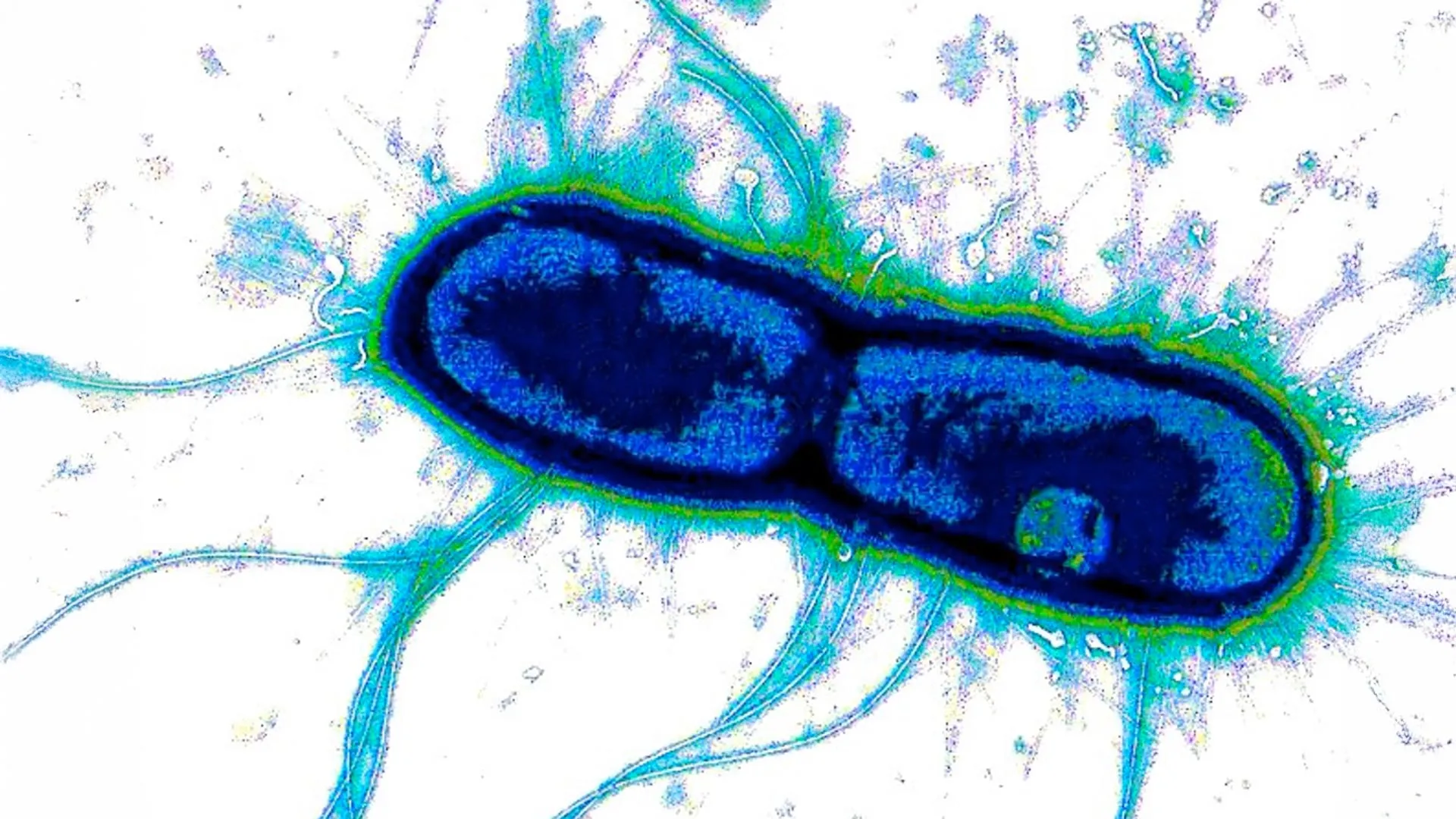
For decades, the global medical community has grappled with an invisible, persistent, and lethal adversary: diarrheal disease. Responsible for hundreds of millions of infections annually, diseases caused by Enterotoxigenic E. coli (ETEC) and Shigella represent a staggering burden on global public health, particularly among children in developing nations. Despite the sheer scale of the crisis, an effective vaccine has remained elusive.
However, a significant scientific breakthrough from the Washington University School of Medicine in St. Louis, in collaboration with the University of Missouri and the International Centre for Diarrhoeal Disease Research in Bangladesh, may have finally identified the "Achilles’ heel" of these pathogens. By uncovering a shared biological vulnerability, researchers have laid the groundwork for a single, multivalent vaccine capable of neutralizing multiple dangerous gut bacteria simultaneously.
The Pathological Mechanism: How Bacteria Breach Our Defenses
To understand the magnitude of this discovery, one must first understand the battlefield. The human intestine is lined with a thick, viscous layer of mucus—a primary defensive barrier that separates the body’s sensitive tissues from the chaotic microbial environment of the digestive tract. This barrier serves a dual purpose: it shields the host from invasive pathogens while simultaneously maintaining a homeostatic environment for the trillions of beneficial bacteria that reside within our gut microbiome.
ETEC—the leading cause of travelers’ diarrhea—and Shigella have evolved a sophisticated, albeit destructive, method to bypass this defense. These bacteria produce specialized enzymes that act like molecular scissors, physically cutting through the structural proteins that give the mucus layer its integrity. Once this protective "wall" is compromised, the bacteria gain direct access to the intestinal wall, where they release toxins that trigger the massive fluid loss characteristic of severe diarrhea.
For years, scientists struggled to design vaccines against these pathogens because the external features of the bacteria—the proteins on their surface—vary wildly between strains. A vaccine that targets one strain of E. coli often fails to provide protection against another, let alone against a different genus like Shigella.
Chronology of the Discovery: From Field Observations to Molecular Imaging
The path to this discovery was not linear; it was a multi-year effort that integrated field epidemiology with high-resolution structural biology.
Phase 1: Identifying the Enzyme (The "EatA" Breakthrough)
The journey began in the laboratory of Dr. James M. Fleckenstein, a professor of medicine in the Division of Infectious Diseases at WashU Medicine. His team previously identified a specific enzyme in disease-causing E. coli known as EatA. They observed that EatA was not merely a byproduct of infection but a functional weapon, specifically designed to degrade the structural components of intestinal mucus.
Phase 2: Expanding the Scope
Recognizing the potential of this discovery, the team expanded their investigation to determine if other gut pathogens utilized similar machinery. Through genomic and biochemical analysis, they discovered two closely related enzymes—SepA and Pic—produced by Shigella and other diarrhea-causing bacteria. These enzymes, while distinct in nomenclature, perform the exact same "mucus-cutting" function as EatA.
Phase 3: Validating the "Universal" Target
With the commonality of the enzymes established, the researchers needed to see if the human immune system could be trained to recognize them. By isolating antibodies from patients in Bangladesh who had naturally recovered from ETEC infections, as well as from volunteers in controlled exposure studies, the team demonstrated a remarkable finding: antibodies directed against EatA were cross-reactive. They could effectively bind to and neutralize not only EatA but also SepA and Pic.
Phase 4: Structural Confirmation
To confirm exactly how this neutralization occurred, the team enlisted structural biologists at the University of Missouri, led by Dr. Zachary Berndsen and postdoctoral associate Dr. David P. Buckley. Using cryo-electron microscopy—a cutting-edge technique that freezes molecules in place to allow for imaging at near-atomic resolution—the team mapped the interaction between the antibodies and the enzymes. They discovered that the antibodies were binding to a highly conserved region shared by all three enzymes, effectively "locking" the molecular scissors so they could no longer cut through the mucus barrier.
Supporting Data: Why This Changes the Vaccine Landscape
The clinical implications of this study, published on June 15 in the journal PNAS, are profound. Data collected from pediatric populations in Dhaka, Bangladesh, provided the essential epidemiological context for the lab findings. The study revealed a strong correlation between the presence of naturally occurring antibodies against EatA and a lower incidence of severe diarrheal disease. Conversely, children who lacked these antibodies were significantly more susceptible to the full, devastating effects of the infection.
This evidence suggests that if a vaccine can safely stimulate the production of these specific, neutralizing antibodies, it could provide a "pre-emptive strike" against infection. By targeting the enzymes before the bacteria reach the intestinal epithelium, the vaccine would essentially "disarm" the bacteria, rendering them unable to penetrate the mucus layer and cause harm.
Official Perspectives: Perspectives on a Global Solution
The researchers view this not just as a laboratory success, but as a critical shift in how we approach infectious disease control in a post-antibiotic world.
"For something so common and so deadly to young children, it’s striking that we still don’t have a vaccine for either of these pathogens," said Dr. James M. Fleckenstein. "What’s exciting here is that we’ve found a kind of Achilles’ heel or weak point they share that we might be able to target to protect against both."
Dr. Zachary Berndsen emphasized the "rational design" aspect of the discovery. "By identifying the key regions of EatA that are targeted by neutralizing antibodies capable of inhibiting its enzymatic function, we’ve established a foundation for rational vaccine design—a major advance toward development of effective therapeutics that have the potential to save many lives."
The research was supported by significant grants from the National Institute of Allergy and Infectious Diseases (NIAID) and the Department of Veterans Affairs, underscoring the priority placed on this research by national health organizations.
Implications: The Path Toward Clinical Application
The potential impact of this research extends far beyond the clinical wards of developing countries. In the United States, ETEC is a frequent cause of foodborne illness, though it remains under-reported because standard clinical diagnostic tools struggle to differentiate between pathogenic E. coli and the harmless commensal strains that reside in every healthy gut.
Furthermore, the current reliance on antibiotics to treat diarrheal diseases is a growing global health concern. Every round of antibiotics contributes to the rise of multi-drug-resistant bacteria, creating a "ticking time bomb" of antimicrobial resistance. A vaccine that prevents infection at the point of entry would drastically reduce the reliance on these drugs, thereby slowing the spread of resistance.
The Next Steps
The research team is currently moving toward the development phase. The goal is to formulate a candidate vaccine that can reliably elicit the identified antibodies in a human trial. This involves:
- Formulation: Creating a stable, safe antigen based on the conserved region of the EatA enzyme.
- Pre-clinical Safety Testing: Ensuring the vaccine is immunogenic without causing adverse side effects.
- Human Clinical Trials: Testing for efficacy and safety in human populations, potentially starting in high-risk areas where the disease burden is most acute.
As Dr. Fleckenstein noted, these bacteria have evolved alongside humanity for millennia, perfecting their methods of deception and intrusion. However, by identifying the shared, fundamental machinery these pathogens require to survive, science has finally tipped the scales. The development of a universal vaccine for ETEC and Shigella represents a beacon of hope for millions of families, offering the promise of a future where these preventable, deadly diseases no longer dictate the health of the world’s most vulnerable children.