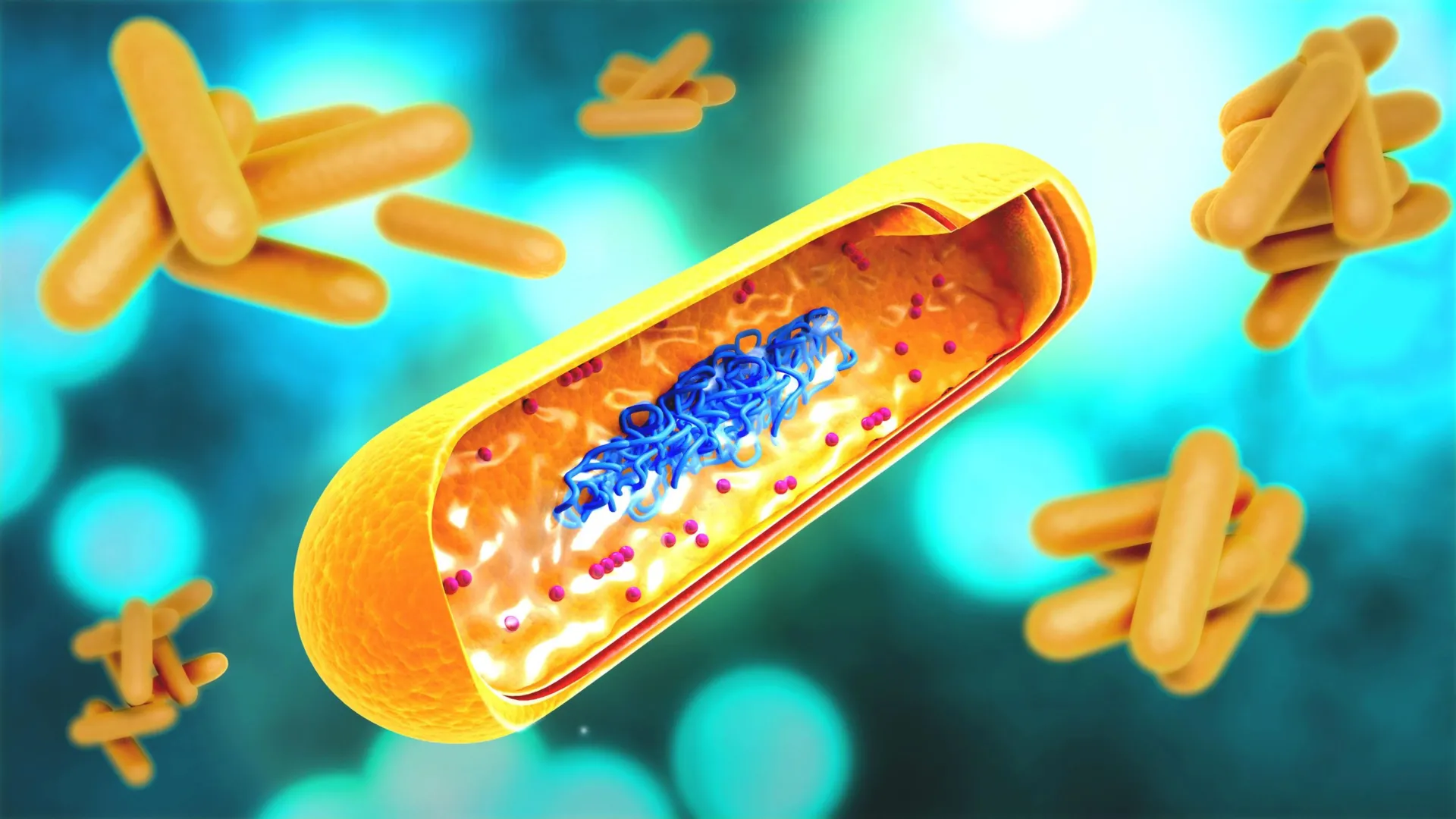
Tuberculosis (TB) has remained a formidable adversary to human health for over 6,000 years, standing as a persistent, global scourge that defies modern medical advancements. Today, a new glimmer of hope has emerged from the laboratories of Johns Hopkins Medicine and the Johns Hopkins Bloomberg School of Public Health. Researchers have successfully developed an experimental, intranasal therapeutic DNA vaccine designed to target "persister" bacteria—the stubborn, drug-tolerant strains that survive standard antibiotic regimens and frequently lead to disease relapse.
This breakthrough, detailed in the Journal of Clinical Investigation, represents a paradigm shift in how we approach the treatment of one of the world’s deadliest infectious diseases. By moving beyond traditional antibiotic-only protocols, this dual-action vaccine aims to prime the immune system to recognize and eliminate the dormant pathogens that have historically made TB so difficult to eradicate.
The Persistent Shadow: A 6,000-Year-Old Crisis
To understand the significance of this development, one must first appreciate the scale of the tuberculosis epidemic. According to the World Health Organization (WHO), TB is not merely a historical relic but a contemporary crisis. Approximately two billion people—one-quarter of the global population—carry a latent TB infection. While these individuals may remain asymptomatic for years, the potential for progression to active disease is a constant threat.
In 2024 alone, over 10 million people developed active TB, and 1.2 million succumbed to the illness. Despite the availability of antibiotics, TB remains the leading cause of death from a single infectious pathogen. The primary hurdle in TB treatment is the bacteria’s ability to enter a state of dormancy, or "persistence." During this state, the bacteria become metabolically sluggish, effectively "hiding" from drugs that target actively dividing cells. When treatment ends, these persisters can reactivate, leading to a recurrence of the disease. This is further complicated by the rise of multidrug-resistant (MDR-TB) strains, which require long, grueling, and often toxic treatment regimens that many patients struggle to complete.
Chronology of a Medical Breakthrough
The development of the Mip3α/relMtb vaccine was a culmination of years of rigorous scientific inquiry into the mechanisms of bacterial survival.
- Initial Concept: The research team, led by Dr. Styliani Karanika, sought to bridge the gap between systemic drug therapy and localized immune activation. They identified the relMtb gene as a crucial target, as it facilitates the bacteria’s transition into a drug-tolerant state.
- Engineering the Fusion: By fusing the relMtb gene with the Mip3α gene, researchers created a vaccine capable of "tagging" the bacteria for the immune system. The Mip3α component acts as a molecular beacon, attracting immature dendritic cells to the site of infection.
- Preclinical Validation (Mouse Models): Experiments conducted on mice demonstrated that when the vaccine was administered alongside first-line TB medications, the clearance of bacteria accelerated significantly. Furthermore, the vaccine reduced lung inflammation and prevented the dreaded relapse that occurs after treatment cessation.
- Primate Translation: Following the success in murine models, the team progressed to rhesus macaques. This stage was critical, as it provided a physiological bridge to human biology. The vaccine successfully elicited TB-specific immune responses in both the bloodstream and the airways of the primates, with effects lasting at least six months.
The Science of the "Double-Target" Vaccine
The brilliance of the Mip3α/relMtb vaccine lies in its dual mechanism of action, which combines molecular genetics with immunological stimulation.
Targeting the "Persisters"
The relMtb protein is essential for the survival of TB bacteria under harsh conditions, such as nutrient limitation or exposure to antibiotics. By using this protein as an antigen in a vaccine, the researchers are effectively training the host’s immune system to identify the very protein the bacteria rely on to stay alive. Even when the bacteria are in a dormant, drug-tolerant state, the presence of the vaccine-induced immune response keeps the pathogen under constant surveillance.
Strategic Intranasal Delivery
Traditional vaccines are often systemic, delivered via injection. However, TB is a respiratory infection. The Johns Hopkins team opted for intranasal delivery to ensure the immune response is concentrated where the infection lives: the respiratory mucosa.
"Intranasal delivery focuses vaccination on the respiratory mucosa in the lungs where TB infection occurs," explains Dr. Karanika. This strategy fosters long-lasting, localized T-cell immunity in the airways, while simultaneously training the systemic immune system to support the fight. This localized response is crucial, as it creates a "first line of defense" that can react instantly to the presence of Mycobacterium tuberculosis.
Supporting Data and Immune Efficacy
The study provides a comprehensive look at how the vaccine orchestrates an immune assault. In mouse models, the vaccine did not just recruit immune cells; it organized them. Researchers observed improved recruitment and activation of dendritic cells, which are the "generals" of the immune system. These cells successfully presented TB antigens to CD4 (helper) and CD8 (killer) T cells.
The result was a highly coordinated, durable immune response. In the primate studies, the generation of TB-specific responses in the airways—without the presence of an active, virulent infection—served as a vital proof-of-concept. While the primate study did not challenge the animals with the disease, the similarity of the immune signature to that of the protected mice provides a strong, data-driven argument for the vaccine’s potential efficacy in humans.
Official Responses and Expert Perspective
Dr. Styliani Karanika, lead author and assistant professor at the Johns Hopkins University School of Medicine, emphasizes that this vaccine is intended as a complement to, not a replacement for, standard therapy.
"Administered together with first-line TB drug therapy, our intranasal DNA fusion vaccine helped infected mice clear the disease bacteria faster, reduced lung inflammation and prevented relapse after treatment ended," Dr. Karanika states. She points specifically to the potential for treating drug-resistant TB, noting that the vaccine "helped the powerful TB drug combination of bedaquiline, pretomanid and linezolid work better."
This sentiment is echoed by the broader research team, which includes an extensive list of experts from the Johns Hopkins Center for Tuberculosis Research. The team’s commitment to translational medicine—moving from the lab bench to animal models and eventually to clinical trials—reflects a long-term strategic vision for eradicating TB.
Implications: A New Era of Immunotherapy?
The implications of the Mip3α/relMtb vaccine extend far beyond the immediate treatment of TB.
1. Reducing Treatment Duration
One of the greatest challenges in global TB control is patient adherence. Current regimens last months and carry significant side effects. By boosting the body’s natural immune response to help clear "persisters," this vaccine could theoretically allow for shorter treatment courses, significantly increasing the likelihood that patients will complete their therapy.
2. Combating Drug Resistance
As drug-resistant TB continues to rise, the medical community is running out of effective antibiotics. Immunotherapy offers a way to "re-sensitize" the body to the fight. By turning the host’s immune system into an active participant in the destruction of the bacteria, the burden on the antibiotic drugs is lessened, potentially preserving their efficacy for longer.
3. Practical Scalability
DNA vaccines are inherently stable and can be produced with high efficiency compared to traditional vaccine platforms. If this vaccine successfully navigates the rigors of human clinical trials, it could be a cost-effective and scalable solution for low- and middle-income countries, where the burden of TB is highest.
Looking Ahead: The Path to Clinical Trials
Despite the promising results in animals, the researchers remain cautious. Dr. Karanika notes that additional preclinical work is mandatory to ensure safety and immunogenicity before the first human participant receives the vaccine.
The team is now looking toward "translational bridges"—the specific tests that will confirm if the immune responses observed in primates will translate into actual disease protection in humans. This involves complex modeling and potential challenge studies. The research is supported by a robust network of federal funding, including multiple grants from the National Institutes of Health, alongside support from the Gilead HIV Research Scholar Award and the Potts Memorial Foundation, among others.
As the team prepares for the next phase, the medical world watches with anticipation. The Mip3α/relMtb vaccine represents more than just a new treatment; it represents a fundamental change in philosophy. By focusing on the "persisters"—the ghosts of the TB infection—Johns Hopkins researchers may have finally found the key to silencing the pathogen that has haunted humanity for millennia.
Research Team and Acknowledgments
The study was a massive collaborative effort, featuring contributions from a multidisciplinary team including Tianyin Wang, Addis Yilma, Jennie Ruelas Castillo, James Gordy, and many others. Intellectual property regarding the vaccine is currently covered under patent PCT/US2023/065584, held by Karanika, Gordy, Markham, and Karakousis. The authors have reported no conflicts of interest, underscoring the academic integrity of the findings as they move toward the clinical trial phase.