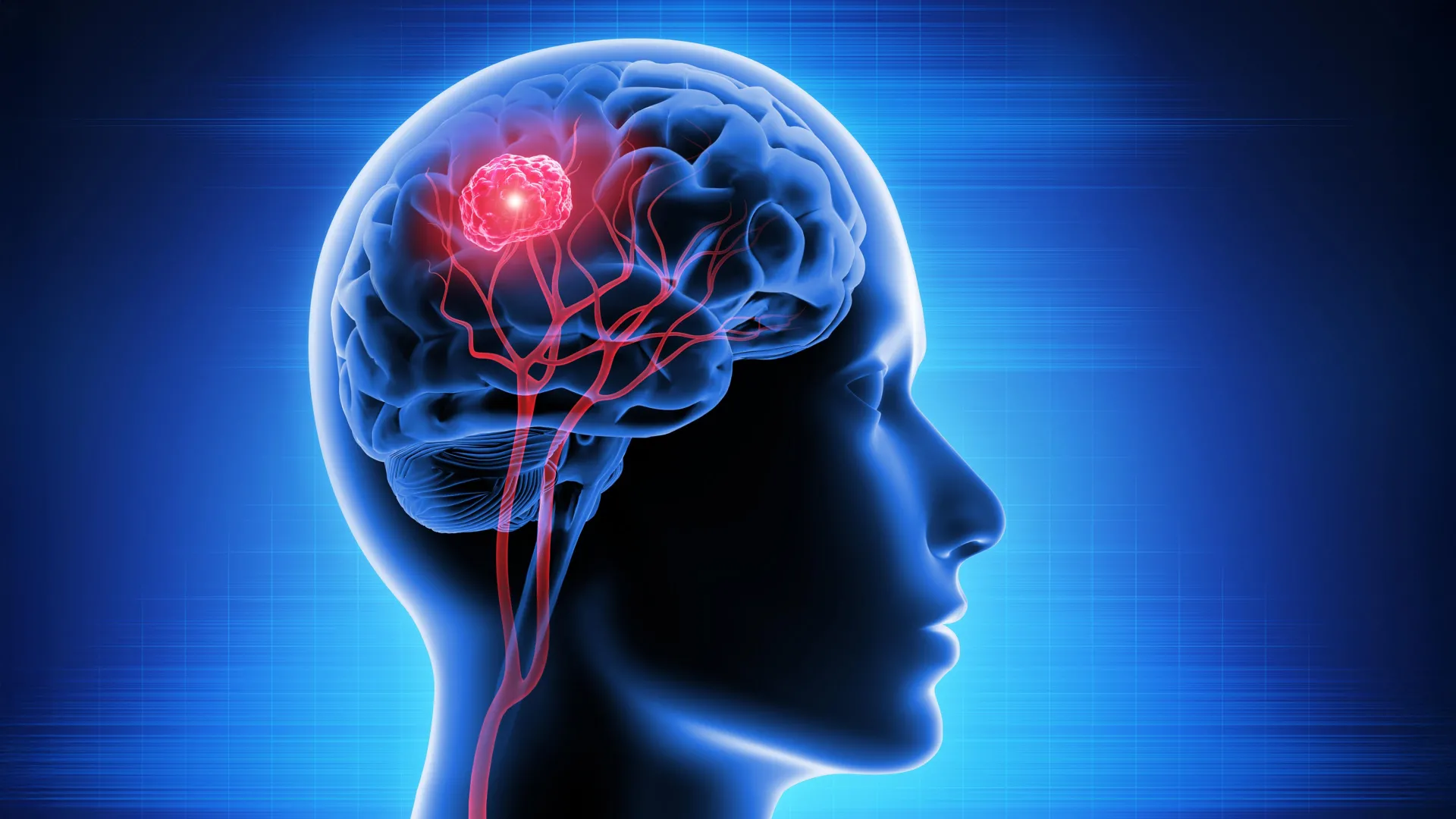
Glioblastoma multiforme (GBM) has long stood as one of the most formidable adversaries in modern oncology. Characterized by its rapid growth, invasive nature, and persistent resistance to conventional medicine, this aggressive form of brain cancer frequently leaves patients with a median survival time of less than 15 months, even following the standard "triad" of surgical resection, radiation, and chemotherapy.
A groundbreaking study recently published in the journal Oncoscience may have unlocked a potential chink in the armor of this lethal malignancy. Titled "Selective blood-brain barrier penetration and tumor targeting of nitrosylcobalamin in glioblastoma: Pharmacokinetics, tissue distribution, and synergistic activity with trail and temozolomide," the paper introduces a novel therapeutic agent: nitrosylcobalamin (NO-Cbl). By repurposing a modified form of vitamin B12, researchers have developed a compound capable of bypassing the body’s most stubborn biological gatekeeper—the blood-brain barrier (BBB)—to deliver targeted, tumor-killing nitric oxide directly to the site of the malignancy.
The Challenge of the Blood-Brain Barrier
To understand the significance of this research, one must first understand the architectural challenge posed by the human brain. The blood-brain barrier is a highly selective, semipermeable border of cells that separates the circulating blood from the brain and extracellular fluid in the central nervous system (CNS). While this structure is vital for protecting the brain from pathogens and toxins, it is equally effective at blocking approximately 98% of small-molecule drugs and nearly 100% of large-molecule drugs.
For glioblastoma patients, the BBB is a double-edged sword. It shields the tumor from the very chemotherapy agents intended to destroy it. Because current drugs often fail to reach effective concentrations within the tumor microenvironment, GBM cells are allowed to proliferate, migrate, and develop mechanisms of resistance that make recurrence almost inevitable.
Chronology: From Concept to Clinical Potential
The research, spearheaded by Dr. Joseph A. Bauer of Nitric Oxide Services, LLC, and the Cleveland Clinic Foundation Taussig Cancer Center, follows a logical, multi-stage trajectory characteristic of high-stakes translational medicine.
Phase 1: Conceptualization and Initial Screening
The journey began with the development of NO-Cbl, a cobalamin (vitamin B12) derivative designed to act as a carrier for nitric oxide. Vitamin B12 was chosen for its unique biological properties; cancer cells, due to their rapid rate of division, often exhibit a heightened requirement for cobalamin, effectively creating a "trojan horse" entry point for the drug.
In the initial phase, the research team utilized the NCI-60 human tumor cell line panel to screen the compound against various cancer types. The data confirmed that NO-Cbl possessed inherent antitumor activity across a spectrum of cancers, with central nervous system tumors showing a notable sensitivity to the compound.
Phase 2: Pharmacokinetic Validation
With proof of concept in cellular models, the team moved to in vivo testing using rat models implanted with glioblastoma tumors. The goal was to track the systemic distribution of the compound. Through rigorous pharmacokinetic analysis, the researchers were able to confirm that NO-Cbl successfully crossed the BBB. More importantly, it did not distribute evenly throughout the brain; rather, it accumulated preferentially within the tumor tissue.
Phase 3: Synergistic Testing
Following the success of the distribution trials, the team shifted their focus to clinical utility. They examined whether NO-Cbl could act in tandem with existing standard-of-care treatments, specifically temozolomide (the current gold-standard chemotherapy for GBM) and TRAIL (a protein that induces apoptosis). The findings indicated that the addition of NO-Cbl produced a synergistic effect, suppressing tumor growth far more effectively than any treatment administered in isolation.
Supporting Data: Why NO-Cbl Works
The potency of the NO-Cbl approach is supported by distinct metabolic observations documented in the study.
Selective Accumulation and Retention
One of the most compelling findings from the animal studies was the longevity of the compound within the tumor microenvironment. Figures 2 and 3 of the study illustrate that while nitrate levels in normal, healthy brain tissue peaked and then subsided, the levels within the glioblastoma tumors remained significantly elevated for at least 24 hours.
This sustained retention suggests that NO-Cbl is not merely passing through the tumor, but is being internalized and processed, allowing for a prolonged release of nitric oxide directly into the cancer cells. This localized delivery minimizes systemic toxicity, as the nitric oxide is released predominantly where the concentration of cobalamin-hungry tumor cells is highest.
Molecular Mechanisms of Action
The study highlights three distinct molecular pathways through which NO-Cbl disrupts the survival mechanisms of glioblastoma:
- Caspase-8 Activation: The compound promotes apoptosis (programmed cell death) by triggering the caspase-8 pathway, a critical death-signaling mechanism that cancer cells often suppress to survive.
- NF-κB Suppression: Nuclear factor-kappa B (NF-κB) is a protein complex that controls the transcription of DNA and is frequently overactive in GBM, helping tumors resist cell death. NO-Cbl has demonstrated the ability to suppress this survival signaling.
- Enhanced TRAIL Sensitivity: Through a process known as S-nitrosylation, NO-Cbl strengthens the signaling of TRAIL receptors. By making the tumor cells more sensitive to these death signals, the compound effectively reverses the resistance that often renders TRAIL therapy ineffective.
Official Responses and Researcher Perspective
Dr. Joseph A. Bauer, the lead and corresponding author, has framed this research as a "pilot translational study." His tone is one of cautious optimism. In his assessment of the findings, he noted: "This pilot study demonstrates that NO-Cbl crosses the BBB, accumulates selectively in brain tumor tissue, and synergizes with established and experimental glioblastoma therapies."
While the scientific community has reacted with interest, the researchers are quick to emphasize that this is a foundation, not a finished product. The team acknowledges that transitioning from laboratory models to human clinical trials involves a significant leap in complexity, particularly regarding the optimization of dosing strategies and the necessity of ensuring that the long-term, systemic effects of nitric oxide release are well-tolerated by the human body.
Implications for the Future of Neuro-Oncology
The implications of this research are broad, potentially impacting not just how we treat glioblastoma, but how we conceptualize drug delivery for all CNS disorders.
Overcoming Chemotherapy Resistance
The primary hurdle in GBM treatment is the development of resistance to temozolomide. Because NO-Cbl attacks the tumor through multiple, simultaneous molecular pathways, it may provide a way to circumvent the mutations that allow cancer cells to "outsmart" single-agent therapies. By "priming" the tumor cells with nitric oxide, clinicians may be able to re-sensitize previously resistant tumors to standard chemotherapy, extending the efficacy of existing drugs.
A Template for Future Drug Delivery
The use of vitamin B12 as a targeting vector is a highly efficient strategy. Because the mechanism relies on the natural metabolic needs of the tumor, it is inherently more selective than traditional methods, which often rely on identifying unique surface markers that may not be present on every cell in a heterogeneous tumor. If this approach can be validated in larger, orthotopic models, it could provide a roadmap for developing other "smart" drugs capable of penetrating the blood-brain barrier.
The Path Forward
The next steps for the research team are clear. They intend to move into more advanced orthotopic validation, where human tumor cells are implanted into the brains of animal models to better simulate the human condition. Furthermore, the team plans to track the long-term activity of nitric oxide and investigate its mechanism of action across a wider variety of CNS tumor models, including pediatric brain tumors.
While the prospect of a new, highly effective glioblastoma therapy is tantalizing, the authors stress that much work remains. Clinical trials will eventually be required to establish safety, dosage, and efficacy in humans. However, the study serves as a crucial milestone. By providing evidence that a simple, vitamin-based molecule can navigate the complexities of the brain to deliver a potent anti-cancer payload, the researchers have opened a promising new chapter in the fight against one of medicine’s most elusive and devastating cancers. As the field of neuro-oncology continues to evolve, the development of NO-Cbl stands as a testament to the power of translational research in turning the tide against incurable disease.