








For generations, the primary enemies of a good night’s sleep were considered to be professional stress, financial anxiety, and the occasional bout of insomnia. However, a seismic shift has occurred in the lifestyle habits of young adults. A groundbreaking new study from the healthy eating app Lifesum suggests that the traditional "stress-induced" sleepless night has been eclipsed by a new, persistent antagonist: the digital routine.
For Gen Z and Millennials, the bedroom is no longer a sanctuary of rest; it has become a high-stimulation hub for algorithmic consumption. As sleep quality across the globe continues to decline, experts are pointing to a specific, emerging phenomenon—"TikTok snacking"—as a primary driver of the modern sleep crisis.
The Main Facts: The Rise of the Digital Nightcap
The Lifesum study, which surveyed the habits of Gen Z and Millennial users, reveals that late-night digital engagement is now the leading barrier to restorative sleep. When respondents were asked to identify the behavior that most disrupted their nocturnal recovery, scrolling through TikTok ranked at the top, cited by 29.5% of participants. This figure significantly outpaced traditional stressors, such as work-related anxiety and overthinking, which were identified as the primary culprit by 19.4% of respondents.
The data paints a picture of a generation tethered to their screens until the final moments of consciousness. Nearly half (47.9%) of young adults report scrolling through social media platforms while in bed every single night, with another 17.6% engaging in this behavior several times a week. This "always-on" culture is effectively preventing the brain from transitioning into the parasympathetic state required for deep, restorative sleep.
Chronology of a Sleep-Deprived Night
To understand the scope of the problem, one must observe the typical evening progression of a young adult in the digital age. The process has become a ritualistic cycle of stimulation and consumption.
The Evening Transition
As the sun sets, the biological urge to wind down is met with a psychological urge to "catch up" on digital content. Instead of preparing for rest, individuals are turning to their devices to decompress. However, the nature of short-form video platforms is inherently designed to trigger dopamine release, keeping the user in a state of heightened arousal.
The "TikTok Snacking" Phase
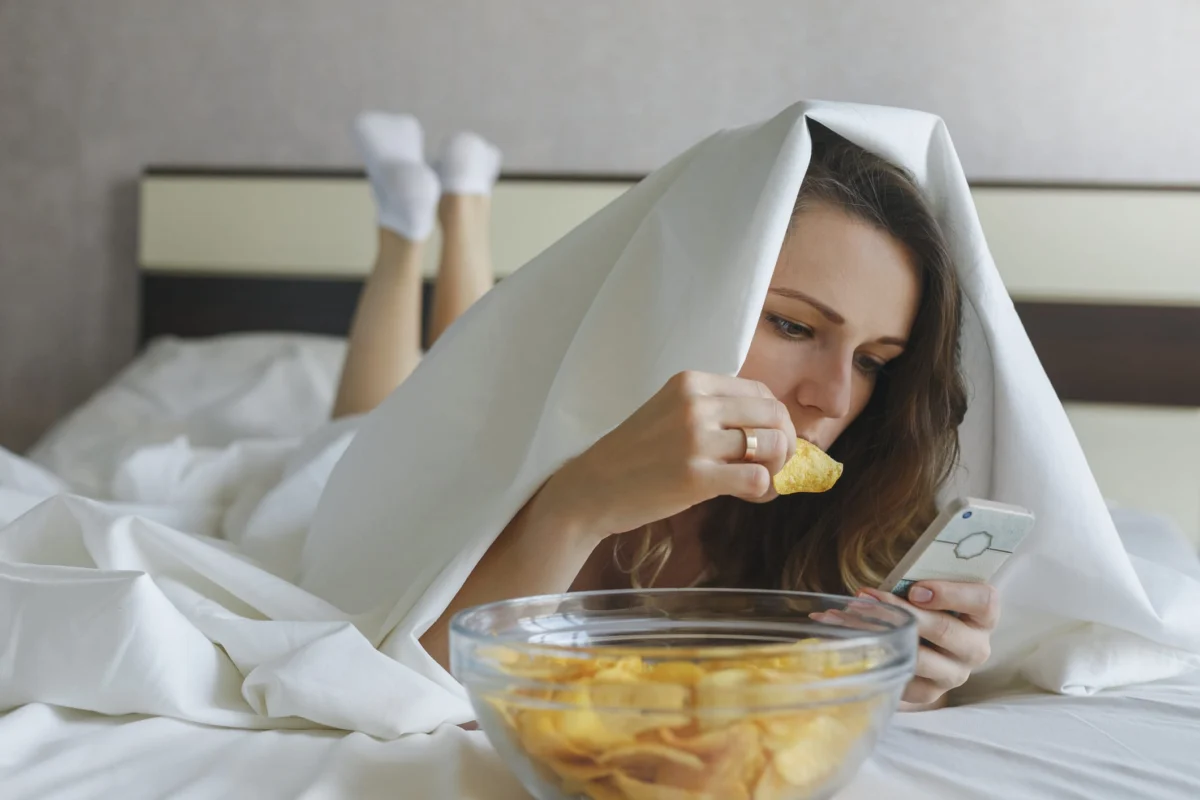
Perhaps the most concerning discovery in the research is the prevalence of "TikTok snacking." Approximately 60.1% of Gen Z respondents admit to eating while browsing these platforms in the evening. This behavior creates a dual-threat to sleep quality: the blue light and cognitive stimulation from the screen, combined with the metabolic stress of late-night digestion. The study found an even split between sweet (28.8%) and savory (28.9%) snack preferences, indicating that these food choices are driven by hedonic comfort rather than nutritional necessity or hunger.
The Midnight Maintenance
The cycle continues well into the early morning hours. Even when the phone is finally put down, the physiological effects of the "snack"—such as blood sugar spikes and the activation of the digestive system—can lead to fragmented sleep, frequent awakenings, and a lower quality of REM cycle recovery.
Supporting Data: Beyond the Screen
While digital habits are at the forefront of the study, the research also sheds light on a broader ecosystem of factors that contribute to the decline of sleep quality in younger demographics.
The Caffeine Conundrum
Caffeine remains a formidable opponent to sleep hygiene. According to the study, 33.1% of participants identified caffeine as their most significant sleep factor, ranking it higher than alcohol consumption, sugary snacks, or heavy, late-night meals. This suggests that the "caffeine-in, screen-on" cycle is a self-perpetuating loop: young adults drink stimulants to power through the day, only to use digital content to sedate themselves at night.
The Impact of Lifestyle Choices
Alcohol also plays a non-trivial role in the disruption of rest. More than a quarter (25.3%) of respondents report consuming alcohol within three hours of bedtime on a near-nightly basis. Another 35.7% engage in this habit two to three nights per week. Alcohol, while often perceived as a sedative, is scientifically proven to degrade sleep quality by interfering with the body’s ability to enter deep, restorative stages of sleep.
Environmental and Emotional Interference
The physical environment of the bedroom has also become increasingly crowded. Nearly half (47.7%) of respondents reported that sleeping with pets disrupts their sleep, highlighting a tension between companionship and sleep hygiene. Furthermore, emotional factors remain a potent hurdle; more than half of the respondents stated that stress, overthinking, or interpersonal arguments regularly interfere with their ability to rest, with 14.2% experiencing these disturbances almost every night.
Official Responses: Insights from Nutrition and Mental Health
Victoria Strandlund, a nutritionist at Lifesum, emphasizes that the modern sleep crisis is a direct consequence of a lifestyle that refuses to "switch off."
"Sleep no longer offers a break from the day," Strandlund noted in a press release. "Instead, increasing numbers of young adults are affected by modern life, shaped by screens, stress, and constant stimulation. We are seeing a complete erosion of the boundary between the day’s stressors and the night’s recovery period."
Strandlund argues that the solution is not necessarily a radical life overhaul, but a series of incremental behavioral shifts. "Small behavioral changes—particularly reducing late-night screen use and being mindful of nutrition—can have a disproportionately positive impact on sleep quality," she added.
In recognition of the intersection between mental health and physical rest, Lifesum has recently initiated a strategic partnership with the mental health platform Calm. This collaboration aims to provide a more holistic approach to health, integrating nutrition tracking with guided mindfulness to help users dismantle the habits that keep them awake.
Implications: The Long-Term Cost of Digital Nightcaps
The implications of these findings extend far beyond feeling "groggy" the next morning. Chronic sleep deprivation is linked to a host of long-term health complications, including cardiovascular disease, metabolic syndrome, and cognitive decline.
The Cognitive Toll
For a demographic already facing record-high levels of anxiety and burnout, the loss of sleep creates a feedback loop. Sleep is the brain’s opportunity to process emotions and consolidate memories. By replacing sleep with high-stimulation social media scrolling, Gen Z is effectively depriving their brains of the very mechanisms required to regulate the stress they are trying to escape.
The Metabolic Risks
"TikTok snacking" is not merely an inconvenience; it is a metabolic disruptor. Consuming high-sugar or high-salt foods in the hours before sleep disrupts the body’s circadian rhythm. When the digestive system is active while the rest of the body is attempting to repair itself, the quality of hormonal regulation—specifically cortisol and insulin—is compromised.
A Call for Digital Hygiene
The data underscores an urgent need for "digital hygiene" to be treated with the same importance as traditional health practices. Just as one might brush their teeth or wash their face before bed, the modern individual must learn to implement a "digital sunset."
The researchers suggest that the path forward involves:
- Curfewing the Screen: Establishing a firm "no-device" policy at least 60 minutes before bed.
- Nutritional Boundaries: Ending food consumption at least two to three hours before sleep to ensure the digestive system is at rest.
- Mindfulness Interventions: Utilizing tools such as meditation or breathing exercises to address the "overthinking" that drives users toward their phones in the first place.
As the lines between work, entertainment, and rest continue to blur, the study serves as a stark reminder: our devices may be designed to keep us engaged, but the cost of that engagement is the very recovery required to sustain our lives. Whether Gen Z can reclaim the night from the algorithm remains one of the most pressing public health questions of the decade.