For millions of people worldwide, the onset of night does not bring the promise of restorative rest, but rather the anxiety of a wakeful battle. Chronic insomnia remains a pervasive public health challenge, impacting cognitive function, emotional stability, and long-term physical health. To address this, the American Academy of Sleep Medicine (AASM) and the Society of Behavioral Sleep Medicine (SBSM) recently hosted their annual Insomnia Awareness Night.
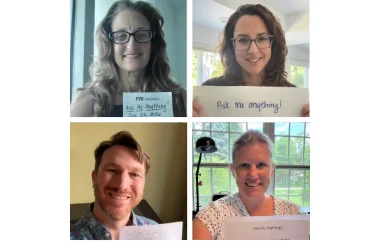
This year, the initiative transcended traditional outreach by bringing expert guidance directly to the digital town square. In a live "Ask Me Anything" (AMA) session on Reddit, four preeminent sleep scientists—Spencer Dawson, PhD; Sarah Honaker, PhD; Monica Kelly, PhD; and Jennifer Martin, PhD—fielded questions from a global audience. Their responses provide a nuanced look at the state of sleep science, debunking common myths and offering evidence-based strategies for those struggling to find peace at night.
The Landscape of Modern Sleep: Main Facts and Current Challenges
Insomnia is defined not merely as "difficulty falling asleep," but as a persistent struggle that manifests at least three times per week and persists for longer than three months, leading to significant impairment in daytime functioning.
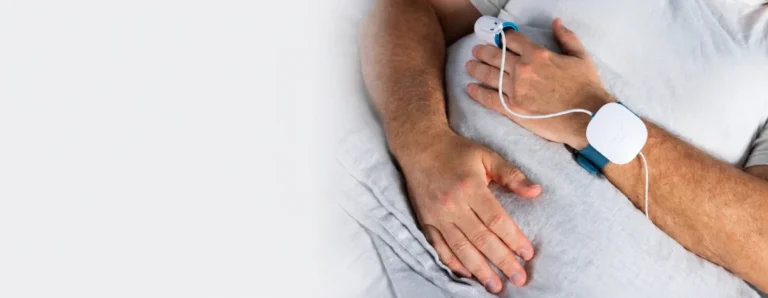
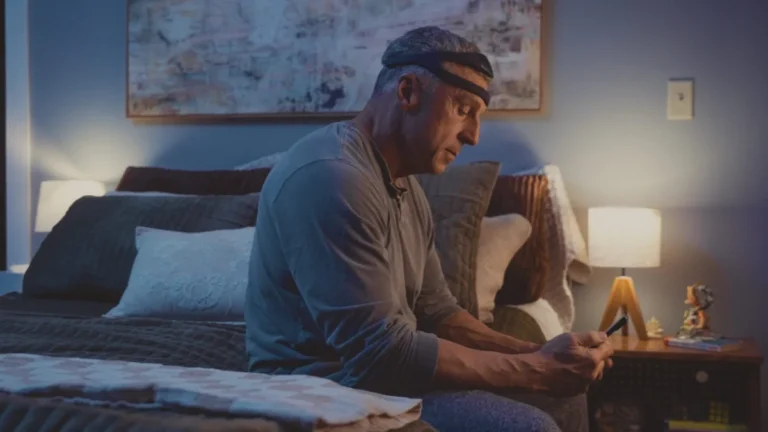
The recent Reddit AMA underscored that modern sleep concerns are increasingly driven by the "quantified self" movement. With the rise of wearable technology—smartwatches, rings, and specialized headbands—many individuals are becoming hyper-aware of their sleep metrics. While data can be empowering, the panel of experts highlighted a paradoxical trend: "orthosomnia," or the obsessive pursuit of perfect sleep data, which can inadvertently trigger the very anxiety that prevents rest.
The experts emphasized that the most reliable diagnostic tool is not a dashboard of heart-rate variability or REM cycles, but the individual’s subjective feeling of alertness and well-being during waking hours.
Chronology of the Conversation: Connecting with the Experts
The AMA served as a platform to bridge the gap between clinical research and daily practice. The dialogue followed a clear progression: moving from basic sleep hygiene questions to more complex inquiries regarding pharmacological interventions, neurological phenomena, and clinical sleep disorders.
The Myth of "Catching Up"
The discussion began with a fundamental question: Can weekend slumber mitigate the damage of a sleep-deprived work week?
Dr. Jennifer Martin addressed the nuances of "sleep debt." While she acknowledged that some research suggests "recovery sleep" on weekends can provide a marginal benefit compared to a complete lack of rest, she was clear that this is not a sustainable health strategy. "Getting seven or more hours of sleep on a regular basis is the gold standard for long-term health," Dr. Martin noted. Relying on weekend catch-up is akin to a yo-yo diet; it fails to stabilize the circadian rhythms necessary for optimal metabolic and cognitive performance.
The Role of Technology
As wearables become ubiquitous, users are increasingly concerned about their sleep scores. Dr. Sarah Honaker provided a balanced view on the utility of devices like the Apple Watch. She suggested that while these tools are helpful for building awareness—such as keeping a consistent bedtime—they carry risks. If a user finds themselves anxious or stressed because their watch reports a "poor" night, the device has become counterproductive. "The most important indicator is how you feel the next day," Dr. Honaker reiterated, emphasizing that physical sensation should always trump algorithmic data.
Navigating the Supplement Market
Perhaps the most contentious topic involved over-the-counter (OTC) sleep aids. With the market flooded with melatonin, herbal blends, and microdosing trends, the experts urged caution.
Dr. Martin pointed out a critical, often-overlooked aspect of sleep supplements: the placebo effect. By taking a pill, individuals may feel "permission" to stop the internal struggle to sleep, which in turn allows them to drift off. Regarding THC microdosing, Dr. Martin noted a lack of robust, high-quality clinical evidence to support its safety or efficacy for chronic insomnia. Similarly, she clarified that while melatonin is useful for circadian rhythm issues like jet lag, it is often misused by those suffering from primary insomnia.
Supporting Data: Why Evidence-Based Treatment Matters
The experts were unanimous in recommending Cognitive Behavioral Therapy for Insomnia (CBT-I) as the first-line treatment for chronic sleep issues. Unlike sedatives, which mask symptoms, CBT-I addresses the psychological and behavioral patterns that sustain the disorder.
Addressing the "Noise" of Sleep: Binaural Beats
When asked about the efficacy of "binaural beats"—auditory stimuli designed to alter brain waves—Dr. Spencer Dawson provided a pragmatic perspective. He noted that while there is limited high-quality research confirming that these sounds directly force the brain into a sleep state, they serve a valuable function as a "pleasant distraction." By occupying the mind, they prevent the rumination that often keeps insomniacs awake. This mirrors the effect of listening to audiobooks or podcasts, which can act as a bridge between wakefulness and slumber for many people.
Official Responses to Clinical Concerns
The AMA also served to triage more serious, potentially clinical issues that require professional intervention.
Hyperarousals and Sleep Studies
One user reported waking every two minutes, as confirmed by a formal sleep study. Dr. Martin identified this as a clear indicator of a clinical sleep disorder. Her response was a directive: seek a consultation with a sleep medicine specialist. Frequent, fragmented sleep is not merely an "insomnia" issue; it can be symptomatic of sleep apnea, restless leg syndrome, or other physiological conditions that cannot be solved with better sleep hygiene alone.
The 4:00 A.M. Awakening
For those who consistently wake in the early hours, Dr. Dawson offered a psychological framework for change. Early morning awakenings can be tied to everything from depression and anxiety to "circadian phase advances" common in older adults. His advice:
- Don’t force it: If you wake up, avoid the frustration of "clock-watching."
- Protect the sleep window: Do not start your day until your intended wake time.
- Acceptance: If you have truly had enough sleep, your body may be signaling that it is time to wake.
Implications: The Future of Sleep Health
The insights shared during Insomnia Awareness Night carry significant implications for how we view our sleep habits.
- Shifting from Quantification to Quality: The experts’ consensus warns against the "gamification" of sleep. By focusing too heavily on data, we strip the process of its natural, biological fluidity.
- Standardization of Care: The advocacy for CBT-I highlights that insomnia is a medical condition, not a personality flaw or a simple lack of effort. Healthcare systems should prioritize access to behavioral sleep specialists.
- The Danger of Self-Medication: The proliferation of sleep aids, including unregulated supplements and microdosing, creates a public health blind spot. Experts suggest that the scientific community must do more to educate the public on the risks of relying on substances that lack rigorous testing.
Moving Forward
As the scientific community continues to explore the complexities of the human brain during the sleep-wake cycle, initiatives like Insomnia Awareness Night remain vital. By demystifying the science and providing a direct line to experts, organizations like the AASM are empowering individuals to take control of their health.
For those struggling, the takeaway is clear: Sleep is a fundamental pillar of health that requires patience, evidence-based strategies, and, when necessary, professional guidance. If you are struggling with chronic sleep loss, do not settle for anecdotal remedies. Seek out a qualified sleep specialist, prioritize consistent habits, and remember that your body’s own signals are more accurate than any digital readout.
As the experts concluded, the goal is not to "hack" sleep, but to create the conditions—both biological and psychological—that allow it to happen naturally.
For those seeking further information or interested in reviewing the full breadth of the conversation, the complete Reddit AMA session remains accessible via the AASM’s official channels. Whether you are dealing with periodic restlessness or chronic insomnia, remember that you do not have to navigate the dark alone.