








In a significant advancement for interventional oncology, HistoSonics has officially commenced the phased commercial rollout of its Edison histotripsy system across Europe. Following the receipt of the CE mark, the company is positioning its proprietary non-invasive technology as a transformative alternative to traditional surgical and thermal ablation methods for the treatment of liver tumors. By leveraging the physical properties of sound waves to destroy malignant tissue without the need for incisions, radiation, or thermal energy, HistoSonics aims to redefine the standard of care for patients with limited treatment options.
Main Facts: The Technology Behind Edison
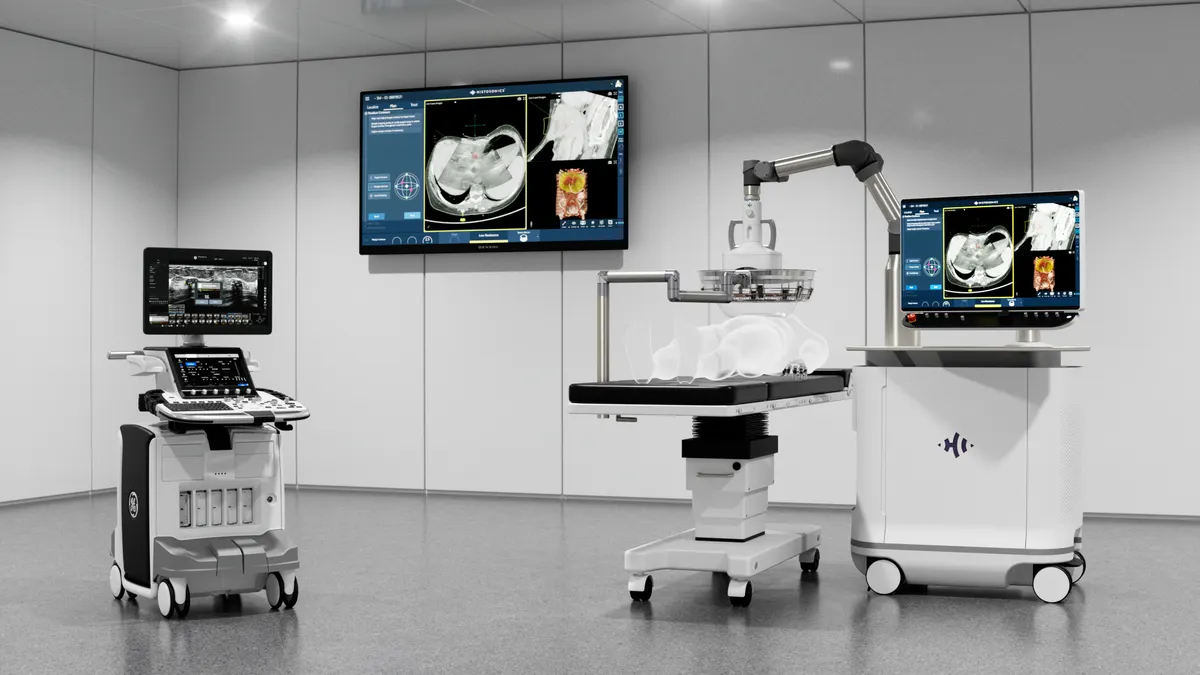
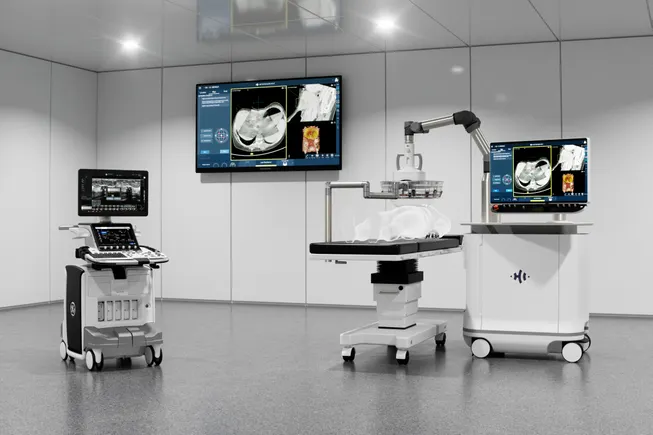
At the core of the Edison system is the proprietary science of histotripsy. Unlike conventional cancer treatments that rely on chemotherapy, ionizing radiation, or thermal ablation—which can damage surrounding healthy structures—histotripsy uses focused, pulsed ultrasound waves to create a phenomenon known as acoustic cavitation.
When the Edison system focuses these high-amplitude pulses, they induce the rapid formation and subsequent collapse of microbubbles within the targeted tumor. The resulting mechanical stress—essentially a “bubble-cloud”—shreds the tumor cells at a cellular level, turning the mass into a liquid-like state that the body can then naturally reabsorb and clear.
The system integrates real-time diagnostic imaging, allowing clinicians to visualize the tumor and the surrounding anatomy with precision. This allows for the mechanical destruction of the tumor while sparing critical blood vessels and healthy connective tissues that are often compromised during invasive surgical resections or thermal procedures.
Chronology of Development and Regulatory Milestones
The path to the European market has been a multi-year journey defined by rigorous clinical validation and strategic regulatory engagement.
- Pivotal Clinical Trials: HistoSonics launched an extensive international clinical trial, enrolling patients across the United States, Germany, Italy, Spain, and the U.K. The data generated from this study served as the bedrock for their regulatory filings.
- Regulatory Validation: The culmination of these clinical efforts resulted in the CE mark, certifying the Edison system for the non-invasive mechanical destruction of liver tumors, including the partial or complete destruction of unresectable liver tumors.
- Strategic Expansion (2024–2025): Following the European approval, the company shifted its focus toward commercial infrastructure, setting up specialized training programs for physicians to ensure the safe and effective deployment of the system.
- Beyond the Liver: The company has simultaneously pursued broader indications. In May, HistoSonics submitted a De Novo authorization request to the U.S. Food and Drug Administration (FDA) to expand the Edison system’s use to include the treatment of kidney tumors. Earlier in March, the company also initiated a clinical trial investigating the system’s efficacy in treating benign prostatic hyperplasia (BPH), signaling a strategic move into urological applications.
Supporting Data: Clinical Efficacy
The clinical data supporting the Edison system’s rollout is anchored in the outcomes of its pivotal trials. HistoSonics reported an impressive 90% local tumor control rate at the 12-month post-treatment mark.
This metric is particularly vital in the context of liver cancer, where many patients are deemed "unresectable"—meaning their tumors are located in areas where traditional surgery poses too high a risk of complications or mortality. By demonstrating that the Edison system can achieve durable local control without the systemic toxicity of chemotherapy or the risks of thermal injury, HistoSonics provides a compelling value proposition to oncology departments in major European medical centers.
Official Responses and Strategic Vision
The receipt of the CE mark and the subsequent launch were met with optimism by the company’s leadership. Mike Blue, CEO of HistoSonics, emphasized the humanitarian and clinical importance of bringing this technology to European patients.
"With the Edison System now approved in Europe, we look forward to working with leading clinical centers throughout the EU and U.K. to expand access to this non-invasive treatment option, and especially for patients currently suffering from tumors in their liver who have very few, if any, options," Blue stated.
The company has adopted a conservative but highly targeted “centers of excellence” approach for its commercial rollout. By partnering initially with hospitals that specialize in complex liver tumor treatment, HistoSonics ensures that the adoption of the technology is supported by high-volume, experienced clinical teams. A prerequisite for all participating facilities is the completion of a proprietary training program provided by HistoSonics, ensuring that the transition from traditional surgery to histotripsy is seamless and adheres to the highest safety standards.
Implications for the Future of Oncology
The introduction of the Edison system into the European market carries significant implications for the broader medical technology landscape.
A Paradigm Shift in “Invasive” Surgery
The most immediate implication is the potential for a paradigm shift in how we define "minimally invasive" surgery. While laparoscopy and robotics have reduced the size of incisions, they still rely on physical trauma to reach the tumor. Histotripsy renders the concept of the "incision" obsolete for these specific applications. This has profound implications for patient recovery times, risk of infection, and the ability to perform repeat procedures if necessary.

Multi-Organ Potential
The current focus on liver tumors is merely the "beachhead" for the technology. By seeking authorization for kidney and prostate applications, HistoSonics is signaling that histotripsy could become a platform technology. If the system proves equally effective in solid tumors elsewhere in the body, it could eventually disrupt the market for thermal ablation devices that are currently the industry standard for non-surgical tumor destruction.
Market Dynamics and Competition
The medical device sector is closely watching HistoSonics. The ability to destroy tissue mechanically without heat (thermal injury) solves a major "pain point" in oncology: collateral damage. Surgeons are often limited by the proximity of tumors to major nerves or blood vessels. Because histotripsy is tissue-selective and avoids the "heat sink" effect—where blood flow carries away heat, making thermal ablation less effective—it opens up previously "inoperable" zones to treatment.
Challenges to Global Adoption
Despite the clinical success, HistoSonics faces the typical hurdles of new medical technology:
- Reimbursement: Establishing clear billing codes and reimbursement pathways in the diverse healthcare systems of Europe will be the next major challenge for the company’s commercial team.
- Physician Adoption: While the non-invasive nature is a benefit, it requires a new skill set for radiologists and surgeons who are used to tactile surgical tools or traditional needle-based ablation.
- Scale: As the company expands into kidney and prostate health, it must scale its manufacturing and supply chain to meet demand without compromising the quality of its diagnostic imaging components.
Conclusion
HistoSonics’ launch in Europe is more than just a commercial milestone; it represents a fundamental change in the methodology of oncology. By harnessing the physical power of sound to resolve complex medical conditions, the Edison system offers a glimmer of hope for patients who have exhausted traditional surgical options.
As the company continues its clinical trials in the U.S. for kidney cancer and BPH, the medical community will be watching closely to see if the success seen in the liver can be replicated across other organs. If HistoSonics succeeds, the Edison system may well be remembered as the catalyst that moved interventional oncology away from the blade and toward the wave.