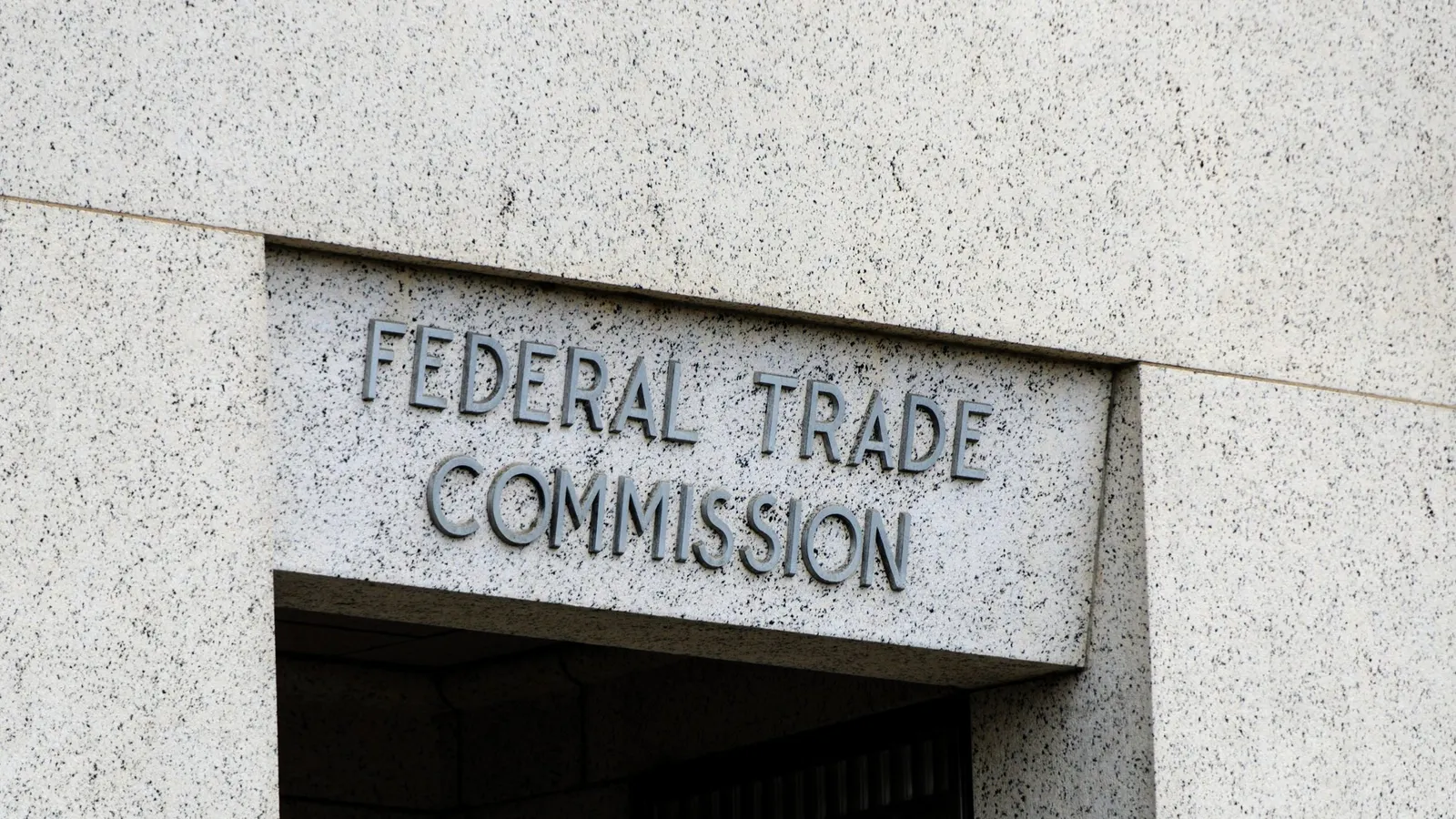
In a significant move that promises to alter the landscape of the American pharmaceutical supply chain, CVS Health’s pharmacy benefit manager (PBM), Caremark, has reached a comprehensive settlement with the Federal Trade Commission (FTC). The agreement mandates sweeping changes to how the industry giant conducts business, forcing a departure from controversial rebate-driven models that have long been blamed for inflating the cost of life-saving medications.
This settlement follows a years-long regulatory offensive against the "Big Three" PBMs—Caremark, Express Scripts, and Optum Rx—which together control approximately 80% of all prescriptions dispensed in the United States. By compelling these middlemen to prioritize lower-cost drugs and increase transparency, the FTC aims to dismantle the incentive structures that critics argue have prioritized corporate profits over patient affordability.
Main Facts: The Terms of the Agreement
The settlement, announced by the FTC on Tuesday, represents a victory for regulators who have spent years investigating the opaque practices of pharmacy benefit managers. Under the terms of the agreement, Caremark is required to implement several structural reforms:
- Priority for Low-Cost Drugs: Caremark must prioritize the inclusion of the lowest-cost medications on its standard formularies, effectively ending the practice of favoring more expensive drug versions to maximize rebate revenue.
- Rebate Pass-Through: The PBM is now required to pass through savings negotiated with drug manufacturers directly to its clients, ensuring that these financial benefits translate into lower out-of-pocket costs for plan sponsors and patients.
- Elimination of Anti-Competitive Hurdles: A critical, novel component of the CVS settlement involves "hub service providers." CVS is now prohibited from using its market power to block independent pharmacies from collaborating with third-party digital pharmacy hubs, a move intended to foster a more competitive retail environment.
- TrumpRx Integration: The settlement mandates that Caremark must count patient purchases made through "TrumpRx"—President Donald Trump’s online drug marketplace—toward patient deductibles in applicable health plans, provided that regulatory frameworks allow for such integration.
- Compliance Monitoring: To ensure adherence to these rules, the FTC will appoint an independent monitor to oversee Caremark’s business practices, providing a layer of accountability that was previously absent in the sector.
Chronology: A Regulatory Battle Against PBM Dominance
The road to this settlement has been characterized by escalating tensions between federal regulators and the pharmaceutical middleman industry.
- 2024: The FTC officially lodged an antitrust lawsuit against Caremark, Express Scripts, and Optum Rx. The core of the agency’s complaint centered on the allegation that these PBMs were orchestrating a "kickback" scheme, specifically regarding insulin, where they allegedly forced patients to pay higher prices for more expensive products to trigger higher rebate payments from manufacturers.
- February 2025: Express Scripts became the first of the "Big Three" to reach a settlement with the FTC, setting a template for the industry by agreeing to stop discriminating against cheaper medications and offering rebate-free plan options.
- Mid-2025: Optum Rx entered into advanced negotiations with the FTC. While the final details are still being formalized, the industry trajectory shifted decisively toward a model of increased transparency.
- July 2026: The FTC announced the formal settlement with CVS Caremark, effectively bringing the agency’s primary antitrust litigation against the largest PBMs to a close.
Supporting Data: Quantifying the Impact
The scale of the PBM industry’s influence on the American economy is staggering. By controlling the vast majority of prescriptions, these companies hold the power to dictate which drugs patients can access and at what price.
According to projections released by the FTC, the impact of the Caremark settlement is expected to be profound:
- $8.5 Billion in Savings: The agency estimates that the policy changes—specifically the shift away from high-cost rebate schemes—will save consumers up to $8.5 billion over the next decade.
- Point-of-Sale Savings: An additional $4.5 billion is projected to flow directly back to consumers as a result of the mandate to pass through rebates at the point of sale.
These figures represent a significant shift in wealth transfer. For years, critics have argued that the rebate system incentivized manufacturers to inflate "list prices" for drugs, with PBMs capturing a portion of that inflation as profit. By disrupting this cycle, the FTC believes it can stabilize costs for U.S. employers and families who have faced double-digit increases in pharmaceutical spending.
Official Responses and Perspectives
The reception to the settlement has been multifaceted, reflecting a mix of institutional relief and cautious optimism.
The FTC Position
FTC Chairman Andrew Ferguson championed the deal as a cornerstone of the commission’s consumer-first agenda. "This agreement will result in billions in real savings to consumers feeling the pinch from excessive prescription drug prices," Ferguson stated. While Commissioner Mark Meador recused himself from the proceedings, the approval by the Chairman signals the agency’s firm intent to utilize antitrust tools to police supply chain intermediaries.
The Corporate Stance
CVS Health, for its part, has framed the settlement as a constructive step forward. In an official statement, the company noted that the agreement "eliminates the need for ongoing litigation and investigations and allows CVS Caremark to remain focused on delivering more value for American consumers."
Ed DeVaney, President of Caremark, emphasized the company’s forward-looking strategy: "Today’s agreement advances and reinforces the changes we have already put in place and ensures affordability for families and patients across the country."
Industry Expert Analysis
Supply chain experts have generally lauded the shift, noting that the "Big Three" were already beginning to pivot toward rebate-free models due to mounting legislative pressure. Analysts suggest that by settling now, these companies are effectively "buying" immunity from potentially more draconian legislative or regulatory crackdowns that could have imposed even stricter profit caps or structural divestitures.
Implications: The Future of Pharmacy Benefits
The implications of this settlement extend far beyond the immediate financial savings. The deal signals the beginning of the end for the "black box" nature of PBM operations.
Reshaping the Rebate Model
The most significant long-term consequence is the potential death of the traditional rebate model. For decades, the pharmaceutical industry has been criticized for a perverse incentive structure: the higher the list price of a drug, the larger the rebate, and consequently, the larger the PBM’s fee. By requiring transparency and the prioritization of lowest-cost drugs, the FTC is effectively forcing the industry to move toward "pass-through" pricing models.
Protecting Independent Pharmacies
The inclusion of provisions regarding "hub service providers" is a vital development for the pharmacy ecosystem. Independent pharmacies have long argued that PBMs—which often own their own mail-order pharmacies—use their market power to squeeze out smaller, community-based competitors. By preventing CVS from blocking these hubs, the FTC is attempting to preserve a level playing field, ensuring that patients retain access to diverse pharmacy options.
The "New Normal" for PBMs
While the settlements do not include monetary penalties, they represent a significant regulatory "win" that sets a new industry standard. Analysts note that these companies are not expected to see a significant hit to their profit margins, as they have already begun adapting their business models to include administrative-fee-based revenue streams rather than relying solely on spread pricing and rebates.
Conclusion
The CVS Caremark settlement is a watershed moment in the oversight of the American healthcare supply chain. By aligning the interests of PBMs more closely with the interests of patients, the FTC has taken a decisive step toward curbing the unchecked growth of drug prices. However, the true measure of success will be found in the coming years: whether the promised billions in savings actually materialize in the form of lower co-pays at the pharmacy counter, or whether the complex, interconnected nature of the pharmaceutical market finds new, equally opaque methods to maintain current profit levels. For now, the "Big Three" era of untrammeled power has definitively entered a new, more transparent chapter.