







Pancreatic ductal adenocarcinoma (PDAC) remains one of the most formidable challenges in modern oncology. Characterized by its late diagnosis and aggressive nature, the disease is notoriously difficult to treat, with current therapeutic options offering only modest improvements in patient survival. However, a significant development has emerged from the Florida A&M University College of Pharmacy and Pharmaceutical Sciences. A study recently published in the peer-reviewed journal Oncotarget details a promising new class of experimental compounds, known as polyisoprenylated cysteinyl amide inhibitors (PCAIs), that demonstrate a unique ability to dismantle pancreatic cancer cells by essentially "overloading" their internal signaling machinery.
Led by first author Kweku Ofosu-Asante and corresponding author Nazarius S. Lamango, the research team has opened a new window into the potential management of KRAS-driven malignancies. By targeting the fundamental drivers of tumor survival and mobility, this study provides a foundational framework for a future generation of treatments that could bypass the limitations of current, mutation-specific therapies.
The Landscape of KRAS Mutations in Oncology
To understand the gravity of the Florida A&M team’s discovery, one must first recognize the role of the KRAS gene. KRAS is a proto-oncogene that, when mutated, acts like a jammed "on" switch in a cell’s signaling pathways. This mutation forces cells to divide uncontrollably, leading to the rapid formation of tumors. In pancreatic cancer, KRAS mutations are present in the vast majority of cases, making them a prime target for drug development.
Historically, however, the KRAS protein was considered "undruggable" due to its smooth surface, which offered no natural pockets for drug molecules to bind to. While the pharmaceutical industry has recently made strides in developing inhibitors for specific variants—such as the KRAS G12C mutation—these therapies only benefit a small subset of the patient population. The vast majority of pancreatic cancer patients, who harbor different KRAS mutations, remain without targeted options. The study from the Florida A&M team is revolutionary precisely because it seeks to overcome this hurdle, aiming for a broader therapeutic net that could eventually serve a wider array of patients.
Chronology: From Concept to Clinical Potential
The development of the PCAI class of compounds did not happen overnight. The research represents a culmination of years of molecular investigation into how abnormal G-protein signaling supports tumor growth.
- Early Development: The research team initially identified the potential of polyisoprenylated cysteinyl amides to interfere with the prenylation and trafficking of oncogenic G-proteins. By preventing these proteins from reaching the cell membrane, the researchers theorized they could cut off the "growth signals" that cancer cells rely upon.
- Initial Screening: The team subjected various PCAI derivatives to rigorous testing against pancreatic cancer cell lines. The goal was to identify which chemical structures were most effective at inhibiting cell viability.
- The Identification of NSL-YHJ-2-27: Through systematic screening, the researchers isolated the compound NSL-YHJ-2-27 as the most potent candidate. In laboratory settings, this compound displayed an exceptional ability to compromise the structural integrity of malignant cells.
- Advanced Modeling: Recognizing that two-dimensional cell cultures do not always accurately predict how a drug will work in a human body, the researchers transitioned to three-dimensional tumor spheroid models. These models mimic the dense, multi-layered architecture of actual tumors, providing a more reliable environment for testing the compound’s efficacy.
The Mechanism: A Paradox of Overactivation
One of the most counterintuitive and fascinating findings of the Oncotarget study is how the PCAIs achieve their lethal effect. In traditional oncology, the goal is often to "shut down" or "inhibit" signaling pathways that promote cancer. Scientists usually try to dampen the MAPK and PI3K/AKT pathways, as these are the highways for cancer cell growth.
However, the Florida A&M researchers found that NSL-YHJ-2-27 does something quite different. Instead of merely blocking these pathways, the compound causes them to become "hyperactivated."
The Theory of Signaling Overload
Biological systems rely on a delicate balance. The research suggests that by pushing the MAPK and PI3K/AKT pathways into a state of extreme, uncontrollable activation, the compound effectively causes the cell to "crash." This overstimulation leads to a cascade of negative consequences for the cancer cell:
- Oxidative Stress: The cells begin to produce toxic levels of reactive oxygen species (ROS), which damage cellular components.
- Structural Collapse: The actin cytoskeleton—the cell’s "scaffolding"—is disrupted, causing the cells to lose their shape and, crucially, their ability to migrate.
- Programmed Death: The cellular stress reaches a breaking point, triggering apoptosis (programmed cell death). The researchers observed a significant rise in BAX, a protein that acts as a gatekeeper for cell death, confirming that the treatment was forcing the cancer cells to self-destruct.
Supporting Data: The Efficacy of NSL-YHJ-2-27
The statistical findings reported by the team offer a compelling case for the efficacy of this new approach. At a concentration of just 1 µM, the compound NSL-YHJ-2-27 was able to block more than 90% of cancer cell migration. This is a critical metric because metastasis—the spread of cancer to distant organs—is the primary cause of mortality in pancreatic cancer patients.
Furthermore, the transcriptomic analysis performed by the team revealed a wholesale shift in gene expression. The treatment successfully downregulated genes associated with metastasis and tumor progression, while simultaneously upregulating genes associated with tumor suppression. This indicates that the drug is not just masking the cancer’s symptoms, but is fundamentally altering the internal genetic program of the malignant cells.
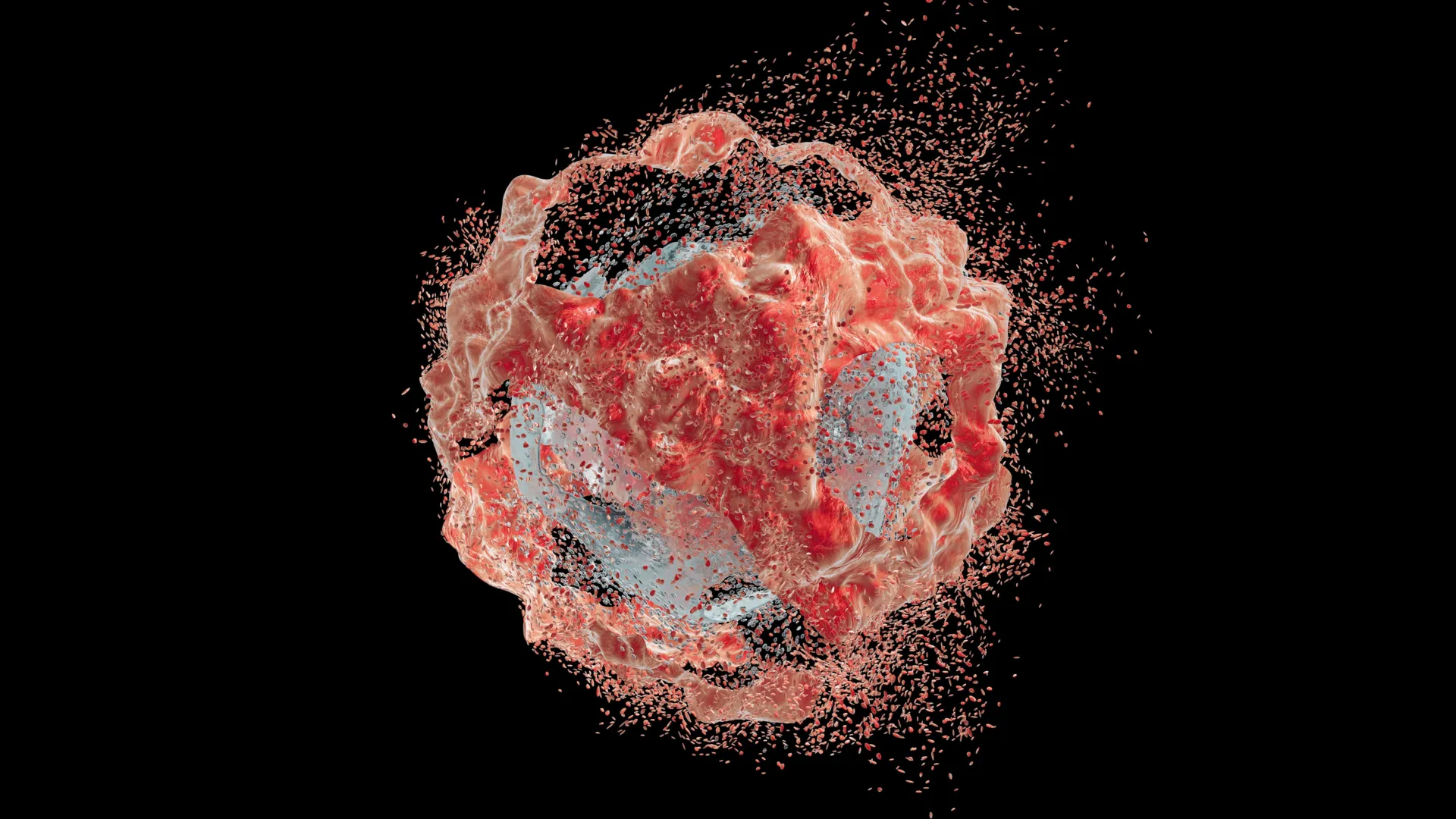
In the three-dimensional spheroid models, the results were equally encouraging. The treatment caused the spheroids to disintegrate, proving that the compound could penetrate and disrupt dense tumor tissue. This resilience in complex models suggests that the drug has a higher probability of maintaining its efficacy if it were to eventually move into clinical trials.
Official Perspective and Implications
The significance of these findings extends beyond the laboratory. By targeting oncogenic G-proteins, the PCAI class of drugs acts independently of the specific KRAS mutation involved. As noted by the researchers, "One class of such promising agents is the PCAIs that were designed to target oncogenic G-proteins in a manner that is different from the KRASG12C-targeting drugs."
This distinction is vital. It means that while a patient might have a KRAS mutation that does not respond to current G12C-specific inhibitors, they might still benefit from a PCAI-based treatment. This "mutation-agnostic" approach represents a major step forward in the quest for precision medicine in oncology.
Future Directions
While the results are undeniably positive, the researchers emphasize that this is a foundation for further work. The next phases of development will involve:
- Pharmacokinetic Studies: Evaluating how the drug is absorbed, distributed, and metabolized in living organisms.
- Toxicology Assessments: Ensuring that the hyperactivation of signaling pathways is localized to tumor cells and does not negatively impact healthy tissues.
- Combination Therapies: Investigating whether PCAIs could be used in conjunction with chemotherapy or immunotherapy to enhance overall survival rates.
Conclusion: A New Frontier
The research conducted by Kweku Ofosu-Asante, Nazarius S. Lamango, and their colleagues at Florida A&M University provides a beacon of hope in the fight against pancreatic cancer. By moving away from the "inhibit-only" paradigm and exploring the potential of signaling overactivation, they have identified a mechanism that could bypass some of the most stubborn resistance patterns seen in clinical practice.
As the scientific community continues to digest these findings, the focus will undoubtedly shift toward translating these laboratory successes into patient-centered care. While there is still a long road of clinical trials ahead, the development of PCAIs stands as a testament to the power of fundamental molecular research to challenge the status quo and offer new pathways toward defeating one of medicine’s most difficult adversaries. The study serves as a critical reminder that when traditional paths are blocked, rethinking the biology of the disease itself can lead to transformative medical breakthroughs.