In a breakthrough that could fundamentally shift how we approach oncology, researchers at the University of Illinois Chicago (UIC) have successfully developed an experimental cancer treatment derived from bacteria that naturally reside within tumors. By identifying a specific bacterial protein capable of sabotaging the energy-generating machinery of malignant cells, the team has created a potential therapy that bypasses one of the most common obstacles in modern cancer care: the p53 gene mutation.
The study, published in the journal Signal Transduction and Targeted Therapy, details how this novel agent, known as "aurB," acts as a metabolic disruptor. When paired with traditional radiation, aurB demonstrated a potent ability to halt tumor progression in preclinical prostate cancer models, marking a significant milestone in the quest for more effective, personalized cancer treatments.
The Biological Frontier: Repurposing the Tumor Microenvironment
For decades, the medical community viewed tumors as isolated masses of rogue cells. However, recent scientific consensus has established that tumors are actually complex ecosystems, often housing their own internal communities of bacteria. This "tumor microenvironment" is not merely a passive byproduct of cancer; it is a dynamic landscape where bacteria and malignant cells coexist.
UIC researchers, led by Tohru Yamada, an associate professor in the departments of surgery and biomedical engineering, began investigating whether these indigenous bacteria could be mined for therapeutic compounds. The logic is simple yet revolutionary: if bacteria have survived for eons by competing for resources, they likely possess specialized proteins capable of manipulating cellular metabolism.
The Problem with p53
To understand the significance of the UIC team’s work, one must first understand the limitations of current cancer therapies. Many existing treatments rely on the function of the p53 gene—a tumor suppressor often called the "guardian of the genome." When p53 is functional, it helps induce cell death in damaged or malignant cells.
However, in a vast number of cancer patients, the p53 gene is mutated or inactive. Because these mutations vary wildly from patient to patient, drugs that depend on p53 pathways are inherently inconsistent. "We wanted to have an anti-cancer agent that doesn’t use the p53 function," Yamada explained. By bypassing the p53 requirement, the UIC team has effectively opened a new front in the war against treatment-resistant cancers.
Chronology of Discovery: From Cupredoxins to aurB
The development of aurB was not a singular "eureka" moment, but the culmination of years of targeted biochemical research at UIC.
The Foundation: The Role of Cupredoxins
Yamada’s laboratory first made waves by identifying a group of proteins known as cupredoxins. These copper-containing proteins are found in bacteria and are vital for electron transfer—the process that powers cellular respiration. The team hypothesized that these proteins could be engineered to suppress tumor growth. Their initial efforts resulted in a peptide drug that underwent extensive testing, including human clinical trials for adults and studies on pediatric brain cancer.
The Pivot
While the initial peptide drug showed promise, its efficacy remained tethered to the p53 pathway. Realizing that a truly universal cancer therapy could not rely on such a volatile gene, the researchers went back to the drawing board. They began a deep dive into the DNA of bacteria found in breast cancer tumor samples.
The Identification of auracyanin
Through genomic sequencing, the team identified a bacterial species containing a specific cupredoxin protein called auracyanin. This protein appeared to mirror the function of their previous discovery but operated through a different mechanism: the mitochondria.
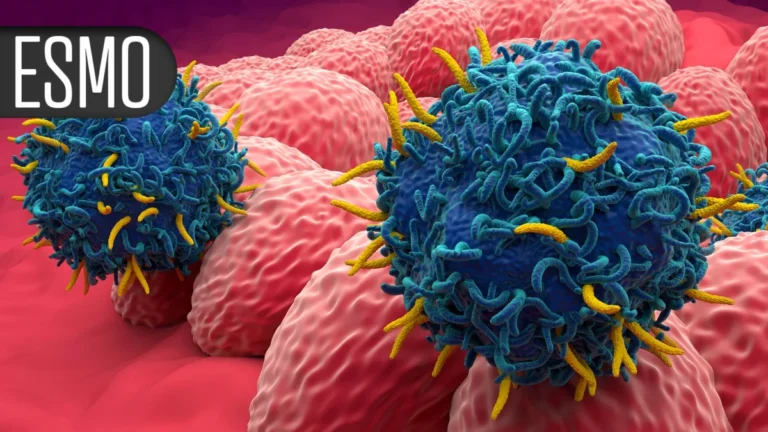
The researchers synthesized a peptide based on this protein and dubbed it "aurB." Subsequent laboratory experiments confirmed that aurB possesses a unique capability: it physically enters the mitochondria of tumor cells and binds to ATP synthase. By attaching to this critical protein, aurB effectively jams the "gears" of the cell’s energy factory, preventing the production of ATP—the fuel necessary for a cancer cell to grow and divide aggressively.
Supporting Data: Efficacy in Prostate Cancer Models
The true test of any cancer treatment lies in its performance against aggressive, established disease. The UIC team focused their efforts on hormone therapy-resistant prostate cancer, a notoriously difficult condition to treat.
Preclinical Success
In mouse models, the team observed that aurB did not just slow down the cancer; it acted as a potent force multiplier when combined with standard radiation therapy.
- Metabolic Starvation: By targeting ATP synthase, the drug effectively induced a metabolic crisis within the tumor cells, rendering them unable to sustain their rapid, energy-intensive growth cycles.
- Synergy with Radiation: While radiation damages DNA, tumor cells often possess mechanisms to repair that damage. By depriving these cells of their ATP fuel, aurB prevented the cells from mounting an effective repair response, leading to significantly higher rates of cell death.
- Low Toxicity: One of the most promising findings was the lack of systemic toxicity. Because the treatment specifically targets the altered mitochondrial activity of cancer cells, it spares healthy cells, which have different metabolic requirements.
- Metastatic Inhibition: In studies utilizing a tibial bone metastatic model, the treatment demonstrated a profound capacity to inhibit tumor expansion, suggesting that aurB could potentially prevent or slow the spread of cancer to the bone, a common and painful complication of prostate cancer.
Official Responses and Collaborative Effort
The success of the study was a collaborative triumph, involving a multi-disciplinary team from the UIC College of Medicine and the College of Engineering. Dr. Yamada emphasized that the project was a collective effort, crediting the Department of Surgery for their instrumental support.
"The mitochondria are very important for a cell to survive; they are the energy factories," Yamada stated in a recent press release. "Many cancer cells exhibit altered mitochondrial number and activity, because a cancer cell has to grow aggressively and rapidly. Therefore, the mitochondria would be an ideal target for cancer therapy."
The institutional support for this project has been robust. The University of Illinois Chicago’s Office of Technology Management has already secured a patent for aurB, a critical step in the path toward commercialization and human clinical trials. The researchers are currently evaluating the necessary regulatory and safety milestones required to transition the drug from the laboratory bench to the bedside.
Future Implications: A New Era of Targeted Therapy
The development of aurB suggests that the human microbiome—and specifically the bacteria inhabiting tumors—may be one of the most under-researched reservoirs of pharmaceutical potential in existence.
Beyond Auracyanin
Yamada is quick to point out that auracyanin is likely only the tip of the iceberg. "There are many other bacterial proteins that could be a source of cancer drugs," he noted. "We simply haven’t tried them yet." By creating a template for how to extract, identify, and synthesize these bacterial proteins, the UIC team has provided a roadmap for future drug discovery.
The Shift Toward Metabolic Oncology
The success of aurB signals a broader shift in oncology toward "metabolic oncology." Rather than simply attacking the genetic code of a tumor, which can mutate to evade treatment, future therapies may focus on the fundamental metabolic requirements of cancer. By starving a tumor of the fuel it needs to survive, researchers hope to create treatments that are not only more effective but also less susceptible to the development of drug resistance.
Looking Toward Clinical Trials
As the UIC team moves toward clinical trials, the medical community will be watching closely. If aurB can replicate its preclinical success in humans, it could provide a much-needed alternative for patients whose cancers have become resistant to standard chemotherapy and radiation.
For now, the work remains in the investigative phase, but the implications are clear: by looking inside the tumor at the very bacteria that call it home, researchers have found a way to turn the tumor’s own environment against it. It is a sophisticated, elegant, and potentially life-saving approach that underscores the power of looking at cancer not just as a set of mutations, but as a biological system that can be dismantled from within.
Acknowledgments: The research team included Drs. Samer A. Naffouje, Duy Binh Tran, Konstantin Christov, Albert Green, Ngoc Hai Trieu Phong, and Tapas K. Das Gupta from the UIC College of Medicine, alongside Weiguo Li from the College of Engineering. Key contributions were also provided by Drs. Martin Borhani, Aslam Ejaz, Ajay Rana, and Enrico Benedetti.