







The landscape of obstructive sleep apnea (OSA) management is undergoing a quiet but significant transformation. For decades, continuous positive airway pressure (CPAP) therapy has remained the gold standard for treatment. However, the inherent challenges of CPAP—including noise, cumbersome tubing, and the necessity of a constant power supply—have historically left a segment of the patient population underserved.
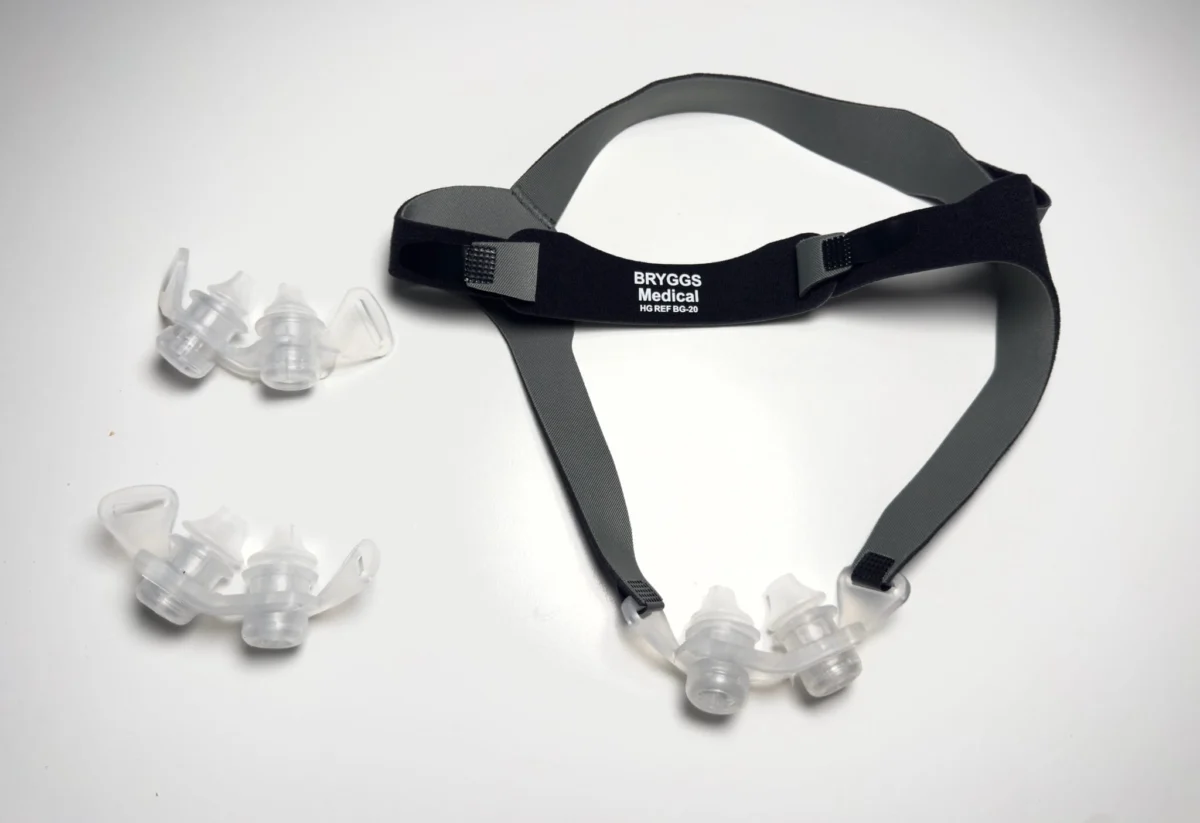
Bryggs Medical, a company dedicated to refining non-invasive respiratory solutions, is addressing these gaps with the launch of the ULTepap 2. This new prescription-only, reusable expiratory positive airway pressure (EPAP) device represents a tactical evolution in OSA therapy, offering patients a dual-setting approach to managing airway resistance without the need for traditional mechanical blowers.
Main Facts: The Technology Behind the ULTepap 2
The ULTepap 2 is an engineering refinement of its predecessor. At its core, the device functions as an internal splint for the upper airway, utilizing the patient’s own respiratory effort to maintain patency. By resisting airflow specifically during the expiratory phase, the device creates back pressure that prevents the collapse of pharyngeal tissues—the primary trigger for OSA events.
The most notable innovation in the ULTepap 2 is its dual-pressure capability. The device features specialized caps at the end of each valve, which provide a fixed back pressure comparable to the original ULTepap model (calibrated to 0–20 cm H2O). Recognizing that patient sensitivity to back pressure varies, Bryggs Medical has introduced an "adjustment-on-demand" feature: if the initial pressure setting causes discomfort or excessive resistance, the user can remove the caps. This action exposes a larger exhalation aperture, effectively lowering the resistance and providing a modified, lower-pressure therapeutic experience that remains clinically effective for airway stabilization.
Constructed from medical-grade silicone nasal pillows for patient comfort and durable polycarbonate valves for longevity, the device is designed to be fully reusable. Reflecting the company’s confidence in the product’s durability, Bryggs Medical includes a three-year warranty on the valve assembly.
Chronology: The Evolution of EPAP Therapy
To understand the significance of the ULTepap 2, one must look at the historical trajectory of EPAP technology.
- The Early 2000s: Clinical interest in EPAP devices began to grow as researchers sought non-powered alternatives to CPAP. Initial studies suggested that while EPAP did not replicate the high-pressure efficacy of a motorized CPAP machine, it was highly effective for mild-to-moderate OSA and positional apnea.
- The First Generation (ULTepap): The original ULTepap established a footprint in the market by offering a small, portable, and silent solution. It utilized a fixed-pressure design, which provided consistency but offered limited flexibility for patients who found the resistance levels difficult to acclimate to.
- The Mid-2020s (Current Era): As the medical community began emphasizing "personalized sleep medicine," the need for titration—even within non-powered devices—became apparent.
- Present Day: The launch of the ULTepap 2 marks the shift toward patient-centered titration, allowing clinicians to prescribe a device that can be adjusted in a home setting, rather than requiring the patient to switch to a different hardware model if their initial tolerance levels are suboptimal.
Supporting Data: Why EPAP Matters in Modern Sleep Clinics
The clinical utility of EPAP is rooted in its unique physiological mechanism. Unlike CPAP, which delivers a constant, pressurized flow of air throughout the entire respiratory cycle, EPAP devices are passive. They utilize a valve system that offers minimal resistance during inhalation, allowing for natural, unobstructed breathing. During expiration, however, the valves close or narrow, creating the back pressure necessary to keep the airway open.
Current research indicates that EPAP therapy is particularly beneficial for specific patient cohorts:
- CPAP-Intolerant Patients: A significant percentage of patients abandon CPAP within the first year due to claustrophobia, noise, or skin irritation. EPAP provides a "stealth" alternative that is silent and requires no electricity.
- Mild to Moderate OSA: While CPAP is often necessary for severe cases with significant anatomy-based obstructions, many mild-to-moderate patients find that the subtle pressure provided by EPAP is sufficient to prevent the hypoxic events associated with OSA.
- Combination Therapy: For patients who have residual OSA despite using oral appliances or other treatments, EPAP can serve as an adjunct, providing the "extra boost" of pressure needed to stabilize the airway during REM sleep.
According to data compiled by the American Academy of Sleep Medicine (AASM), the efficacy of non-powered EPAP solutions is highly dependent on patient compliance. By increasing comfort through adjustable settings, the ULTepap 2 seeks to improve the long-term adherence rates that are often the "Achilles’ heel" of sleep apnea treatment.
Official Perspectives: The Clinical Shift Toward Flexibility
Industry experts view the move toward adjustable, reusable devices as a response to the growing demand for sustainable, travel-friendly sleep medicine.
In a recent industry brief, representatives from Bryggs Medical emphasized that the development of the ULTepap 2 was heavily influenced by feedback from sleep technologists and prescribing physicians. "The goal was never to replace CPAP in all scenarios, but to expand the toolkit available to the sleep specialist," a company spokesperson noted. "By allowing for two distinct therapeutic settings, we are enabling clinicians to help patients navigate the ‘adaptation period’ more successfully."
The transition from a single-setting to a dual-setting device also addresses the logistical challenges faced by Durable Medical Equipment (DME) providers. Having a device that can be adjusted on-site without requiring a total replacement reduces the burden on the healthcare supply chain and ensures that the patient’s continuity of care is not interrupted by the need for hardware exchanges.
Implications: The Future of OSA Treatment
The introduction of the ULTepap 2 signals several broader shifts in the treatment of sleep-disordered breathing:
1. The Rise of "Micro-Therapy"
As technology continues to shrink, the line between medical devices and personal wearables is blurring. The ULTepap 2 is small enough to fit in the palm of a hand, making it a viable solution for frequent travelers, hikers, or individuals who find the aesthetic of a CPAP mask stigmatizing. This "micro-therapy" approach is likely to gain momentum as the global population of diagnosed OSA patients continues to rise.
2. A Focus on Sustainability
Environmental consciousness is becoming a factor in medical device design. The shift toward high-quality, reusable silicone and polycarbonate components—backed by a three-year warranty—is a departure from the disposable, single-use mindset that has plagued sleep medicine for years. This sustainability model is increasingly attractive to both health systems looking to reduce waste and patients seeking long-term value.
3. Patient Autonomy and Compliance
By empowering patients to adjust their own settings (under the guidance of a physician), the ULTepap 2 fosters a greater sense of autonomy. When patients feel they have agency over their therapy, they are statistically more likely to adhere to the treatment protocol. This shift in the doctor-patient relationship—from one of "instruction and compliance" to "collaboration and adjustment"—is expected to become the hallmark of the next generation of respiratory health solutions.
4. Integration into Digital Health
While the ULTepap 2 is currently a mechanical solution, the evolution of such devices suggests a future integration with digital monitoring. As sleep medicine moves toward more comprehensive data tracking, it is not inconceivable that future iterations of EPAP technology could incorporate sensors to track respiratory patterns and provide data directly to the physician’s cloud portal.
Conclusion
The release of the ULTepap 2 by Bryggs Medical is more than a simple product update; it is a testament to the maturation of EPAP therapy. By addressing the primary hurdles of comfort, adjustability, and durability, the device provides a sophisticated alternative for patients who have found traditional therapies to be unsuitable.
As sleep clinics continue to navigate the complexities of OSA treatment, tools that offer versatility—such as the dual-pressure capabilities of the ULTepap 2—will undoubtedly play a pivotal role in improving patient outcomes. Whether as a primary treatment for mild cases or a secondary support for complex patients, this new device offers a promising path forward, ensuring that the quest for a restful night’s sleep remains within reach for millions of patients worldwide.
The industry will be watching closely as the ULTepap 2 rolls out, observing how the ability to "dial in" therapy influences long-term adherence metrics and, ultimately, the overall quality of life for those living with obstructive sleep apnea.