









In a major development for preventative cardiology, researchers have unveiled the results of a phase three clinical trial for an experimental oral medication that could fundamentally change how millions of Americans manage their cardiovascular health. The drug, known as enlicitide, has demonstrated the ability to lower low-density lipoprotein (LDL) cholesterol—often colloquially termed "bad" cholesterol—by an impressive 60%.
The findings, published in the New England Journal of Medicine, arrive at a critical juncture in the global fight against heart disease. If granted approval by the U.S. Food and Drug Administration (FDA), enlicitide would represent the most significant advancement in oral cholesterol management since the advent of statins, offering a potent, user-friendly alternative to current injectable therapies.
The Core Data: A Clinical Breakthrough
The phase three trial, which involved 2,909 participants, was designed to test the efficacy of enlicitide in patients who have either established atherosclerotic cardiovascular disease or are at high risk due to underlying health conditions.
The study’s design was particularly rigorous: participants were already utilizing statins, yet many remained unable to reach the clinical benchmarks for cholesterol management. Despite standard treatment, the average LDL level among participants was 96 mg/dl—significantly higher than the recommended targets of 70 mg/dl for those with established disease and 55 mg/dl for the highest-risk individuals.
After a 24-week period, the results were striking. Patients administered enlicitide experienced a 60% reduction in LDL cholesterol compared to those receiving a placebo. Furthermore, the drug demonstrated broad efficacy, lowering other critical cardiovascular markers, including apolipoprotein B, non-HDL cholesterol, and lipoprotein(a). Crucially, these significant health gains were maintained over a full year of follow-up, suggesting that enlicitide provides not just a temporary fix, but a sustainable pathway for cholesterol reduction.
A Scientific Lineage: From Nobel Prizes to Modern Medicine
The development of enlicitide is not an isolated innovation; it is the culmination of decades of pioneering research conducted at UT Southwestern Medical Center. The intellectual DNA of this drug can be traced back to the landmark work of Michael Brown, M.D., and Joseph Goldstein, M.D., whose identification of the LDL receptor on liver cells earned them the Nobel Prize in Physiology or Medicine in 1985. Their foundational discovery elucidated how the body clears cholesterol from the bloodstream, setting the stage for the creation of statins, which have saved countless lives over the last four decades.
The trajectory of this research continued with the Dallas Heart Study at UT Southwestern, spearheaded by Helen Hobbs, M.D., and Jonathan Cohen, Ph.D. Their genetic research revealed that certain individuals possess natural genetic variations that suppress the PCSK9 protein. This protein acts as a regulator that limits the number of LDL receptors on liver cells, essentially creating a "bottleneck" that prevents the body from efficiently clearing cholesterol.
By identifying this mechanism, scientists were able to develop injectable PCSK9 inhibitors, such as evolocumab and alirocumab. While these therapies are highly effective—also boasting a 60% reduction in LDL—they have historically been limited by their mode of administration: the needle.
The "Injection Barrier" and the Promise of Oral Therapy
Despite the success of injectable PCSK9 inhibitors, they have failed to reach the majority of the patient population that could benefit from them. Dr. Ann Marie Navar, a cardiologist and Associate Professor of Internal Medicine at the Peter O’Donnell Jr. School of Public Health at UT Southwestern, who led the phase three trial, notes that the "injection barrier" is a significant hurdle in clinical practice.
"Fewer than half of patients with established atherosclerotic cardiovascular disease currently reach LDL cholesterol goals," Dr. Navar explained. "An oral therapy this effective has the potential to dramatically improve our ability to prevent heart attacks and strokes on a population level."
While costs and insurance coverage have historically been obstacles for injectable therapies, the inherent psychological and physical burden of injections has led to low adoption rates among primary care physicians and patients alike. Enlicitide effectively dismantles this barrier. By targeting the same PCSK9 pathway as the injectables but offering it in a once-daily pill format, the drug promises to bridge the gap between clinical capability and patient compliance.
Expert Perspectives: Why LDL Reduction Remains the Gold Standard
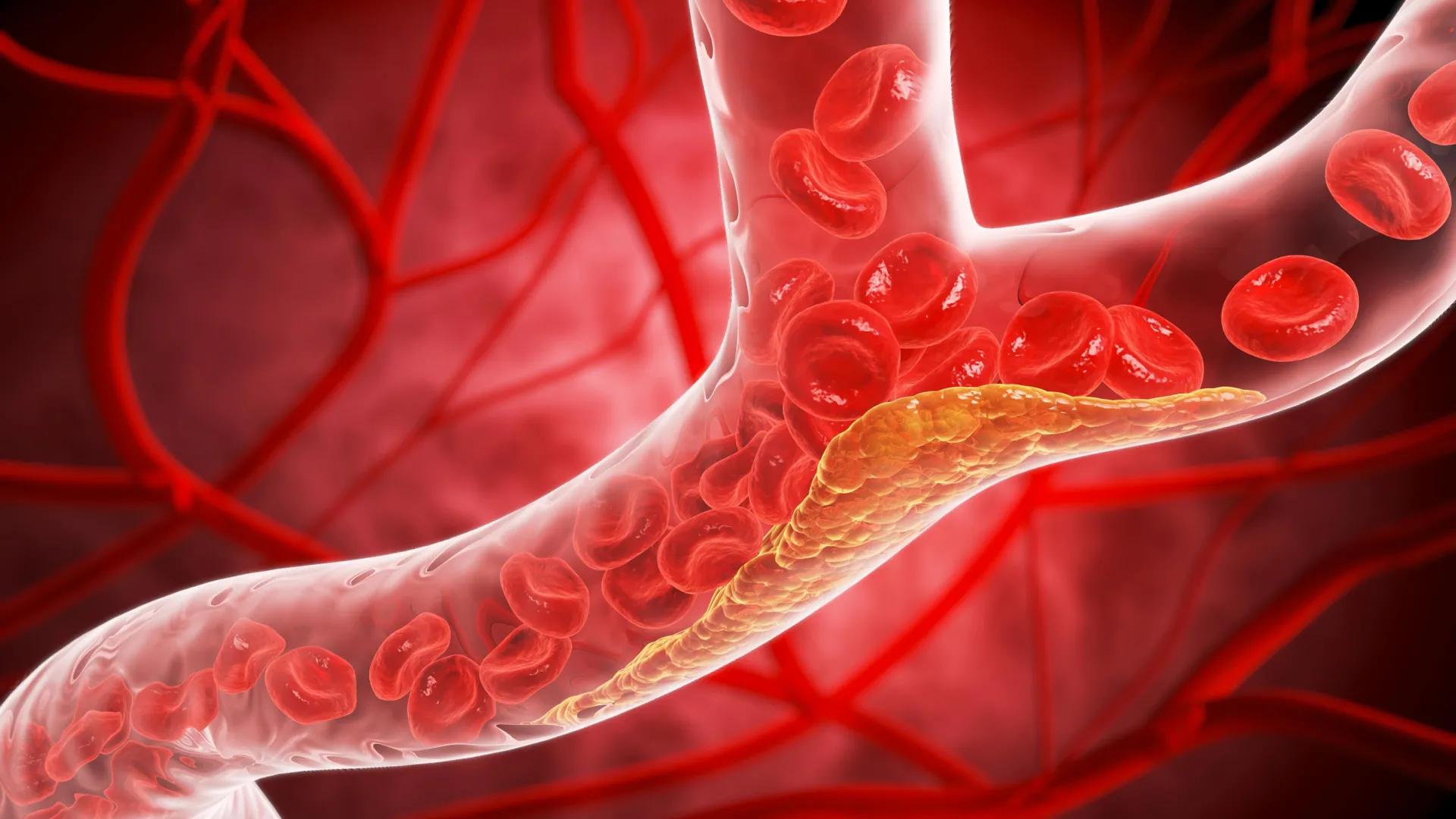
Cardiovascular disease remains the leading cause of death globally, and the role of LDL cholesterol in this crisis is undisputed. Atherosclerosis—the process by which cholesterol particles accumulate in the walls of arteries—is a silent, progressive disease. Over years or decades, this plaque buildup narrows the arteries, restricting blood flow and setting the stage for catastrophic cardiac events, including heart attacks and strokes.
The clinical consensus is clear: aggressive lowering of LDL cholesterol is the most effective strategy for both primary prevention (preventing the disease from starting) and secondary prevention (preventing recurrence in those already diagnosed).
"The study population reflects what we see in clinical practice," Dr. Navar observed. "Even the highest-intensity statins are often not enough to get people to their cholesterol goals." By providing a pill that works in tandem with, or potentially as a superior alternative to, traditional treatments, clinicians hope to move the needle on the millions of patients currently failing to meet their targets.
Implications for Public Health and Future Research
The implications of enlicitide’s potential approval are vast. If it becomes a standard-of-care medication, the healthcare system could see a dramatic shift in how high-risk populations are managed. The ability to administer a potent, once-daily cholesterol-lowering pill would likely increase adherence, reduce the clinical workload associated with injectable teaching, and provide a cost-effective strategy to lower the national burden of cardiovascular events.
However, the medical community remains cautious and rigorous. While the 60% reduction in LDL is a massive surrogate marker, the ultimate test is clinical outcome: fewer heart attacks and fewer strokes. A subsequent clinical trial is already underway to confirm that these biomarker improvements translate directly into hard cardiovascular outcomes.
Disclosures and Funding
The trial was sponsored by Merck & Co. Inc., the pharmaceutical company currently developing enlicitide. Dr. Navar, the lead investigator, has disclosed that she received consulting fees from Merck and other pharmaceutical companies involved in the lipid-lowering drug market. These disclosures are standard in high-level clinical research to ensure transparency and maintain the integrity of the scientific process.
Conclusion: A New Chapter in Heart Health
As we look toward the future of cardiology, the success of enlicitide highlights the power of sustained scientific investment. From the Nobel-winning discoveries of the 1980s to the genetic insights of the early 2000s, the journey toward this pill reflects a decades-long commitment to understanding the molecular basis of heart disease.
If the upcoming outcome trials prove as successful as the phase three study, enlicitide may well become a cornerstone of cardiovascular prevention. For the millions of Americans struggling to manage their cholesterol levels despite their best efforts with diet, exercise, and statins, this experimental pill offers a beacon of hope—a simple, effective tool in the fight to live longer, healthier lives.
The transition from specialized, injectable-only care to a more accessible, oral-based treatment paradigm represents a pivotal shift that could define the next generation of cardiovascular medicine. As the FDA review process looms, the medical world watches closely, hopeful that this breakthrough will soon reach the pharmacy shelves where it is needed most.