





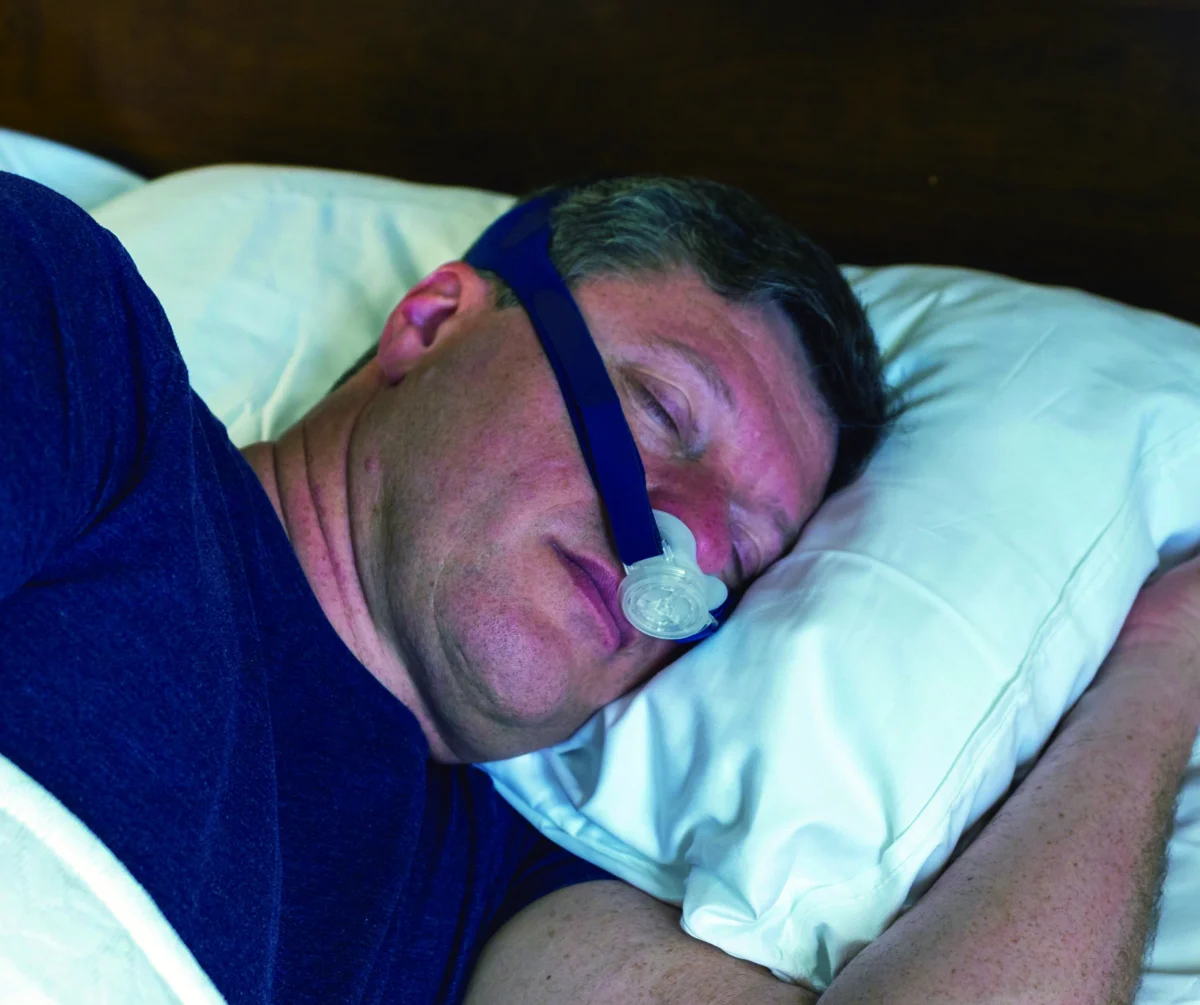
For millions of individuals living with obstructive sleep apnea (OSA), the gold standard of treatment—Continuous Positive Airway Pressure (CPAP)—remains a significant hurdle. While CPAP therapy is highly effective, issues surrounding mask discomfort, travel inconvenience, and the noise of motorized equipment lead to high rates of non-compliance. In the search for alternatives, Expiratory Positive Airway Pressure (EPAP) devices have emerged as a discreet, portable, and power-free solution for those who find traditional therapy unsustainable.
This report explores the mechanics, clinical utility, and the current landscape of EPAP technology, specifically comparing leading devices currently reshaping the landscape of sleep medicine.
The Mechanics of EPAP: How It Works
Unlike CPAP, which delivers a continuous, pressurized stream of air throughout the entire respiratory cycle—both inhalation and exhalation—EPAP technology operates on a distinct physiological principle.
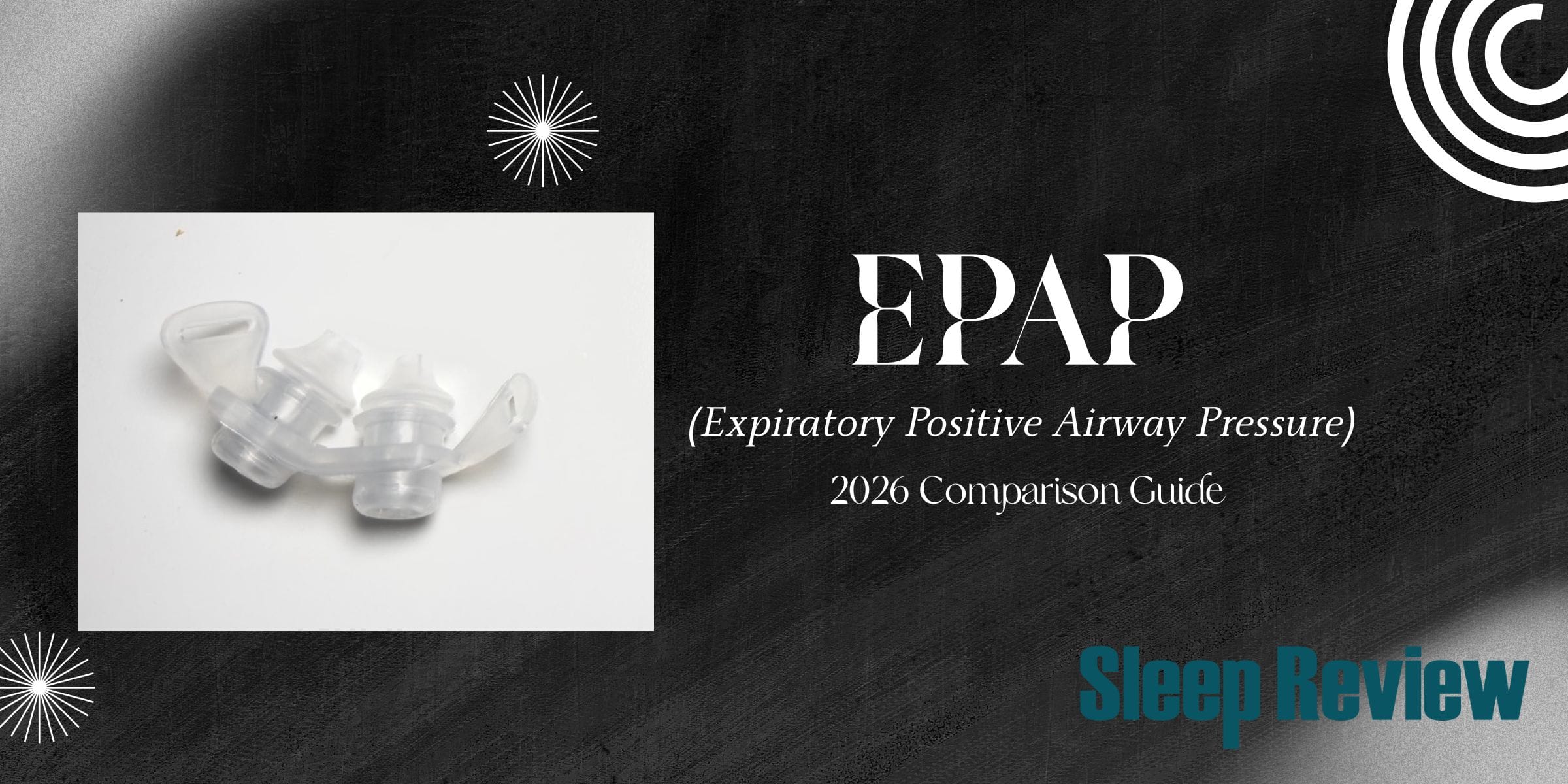
EPAP devices utilize a valve system that creates resistance specifically during the expiration phase. As a patient exhales, the device forces the air against a restricted opening, creating "backpressure." This pressure acts as a pneumatic splint, keeping the upper airway open and preventing the collapse that characterizes obstructive sleep apnea. During inhalation, the valve opens, allowing the patient to breathe in freely without the sensation of fighting against a machine.
Because these devices are passive, they require no electricity, hoses, or bulky compressors. Most are small enough to fit in the palm of a hand, offering a level of portability that traditional CPAP cannot match.
Clinical Positioning: Who Benefits Most?
The clinical consensus regarding EPAP is that while its efficacy generally trails that of standard CPAP, it serves as a critical bridge for specific patient populations.
Ideal Candidates
- Mild to Moderate OSA: Patients with less severe obstruction often find that the targeted resistance of EPAP is sufficient to maintain airway patency.
- CPAP Intolerant: For patients who struggle with the claustrophobia of a full-face mask or the physical burden of CPAP equipment, EPAP provides a viable "Plan B."
- Positional Sleep Apnea: Some patients only experience apnea in specific positions; EPAP can offer a lightweight solution that moves with the patient.
- Travelers: The ability to fit a full night’s therapy into a pocket makes EPAP an essential tool for frequent travelers who find packing a CPAP system impractical.
Chronology of Innovation in EPAP Technology
The evolution of EPAP has moved from experimental concepts to refined, FDA-cleared medical devices.
- Early Development: The concept of using expiratory resistance dates back several decades, but early iterations lacked the comfort and precision necessary for long-term adherence.
- The Rise of Targeted Resistance: In the late 2010s, companies like AirAvant Medical and BRYGGS Medical began refining nasal-seal technology, moving away from simple adhesive patches to durable, reusable nasal inserts.
- 2018–2019: Regulatory Milestones: This period marked a surge in FDA 510(k) clearances. Devices like the Bongo Rx and ULTepap 2 underwent rigorous testing to prove their safety and clinical efficacy for OSA, establishing them as legitimate therapeutic options rather than mere "snore aids."
- 2021–Present: The focus has shifted toward user-adjustability. Newer models now allow patients to fine-tune resistance levels, acknowledging that one-size-fits-all pressure settings are rarely optimal for the diverse anatomy of sleep apnea patients.
Comparative Analysis of Market-Leading Devices
The current market is defined by three primary players, each offering distinct advantages in terms of design, prescription requirements, and customization.
1. AirAvant Medical Bongo Rx
The Bongo Rx is arguably the most recognizable name in the EPAP space. Designed and manufactured in the USA, it is a prescription-only device that functions as a nasal seal, providing resistance while simultaneously dilating the nostrils. Its primary appeal is its simplicity: it requires no assembly and is designed for immediate use.
2. BRYGGS Medical LLC ULTepap 2
The ULTepap 2 stands out for its mechanical versatility. It allows the user to adjust the therapeutic backpressure by toggling between different resistance settings via removable caps on the valve. This feature is particularly helpful for patients who find standard resistance levels either too restrictive or insufficient.
3. CPAPNEA Medical Supply Optipillows
Optipillows represents a different regulatory path. As an over-the-counter (OTC) product, it is marketed for the alleviation of snoring. Designed by a sleep physician, it offers the highest degree of user customization, allowing pressure adjustments between 1.5 and 14.5 cm H2O. It serves as an economical entry point for those not yet ready for a formal medical prescription.
Supporting Data and Clinical Evidence
The legitimacy of these devices is backed by peer-reviewed studies that examine their impact on the Apnea-Hypopnea Index (AHI).
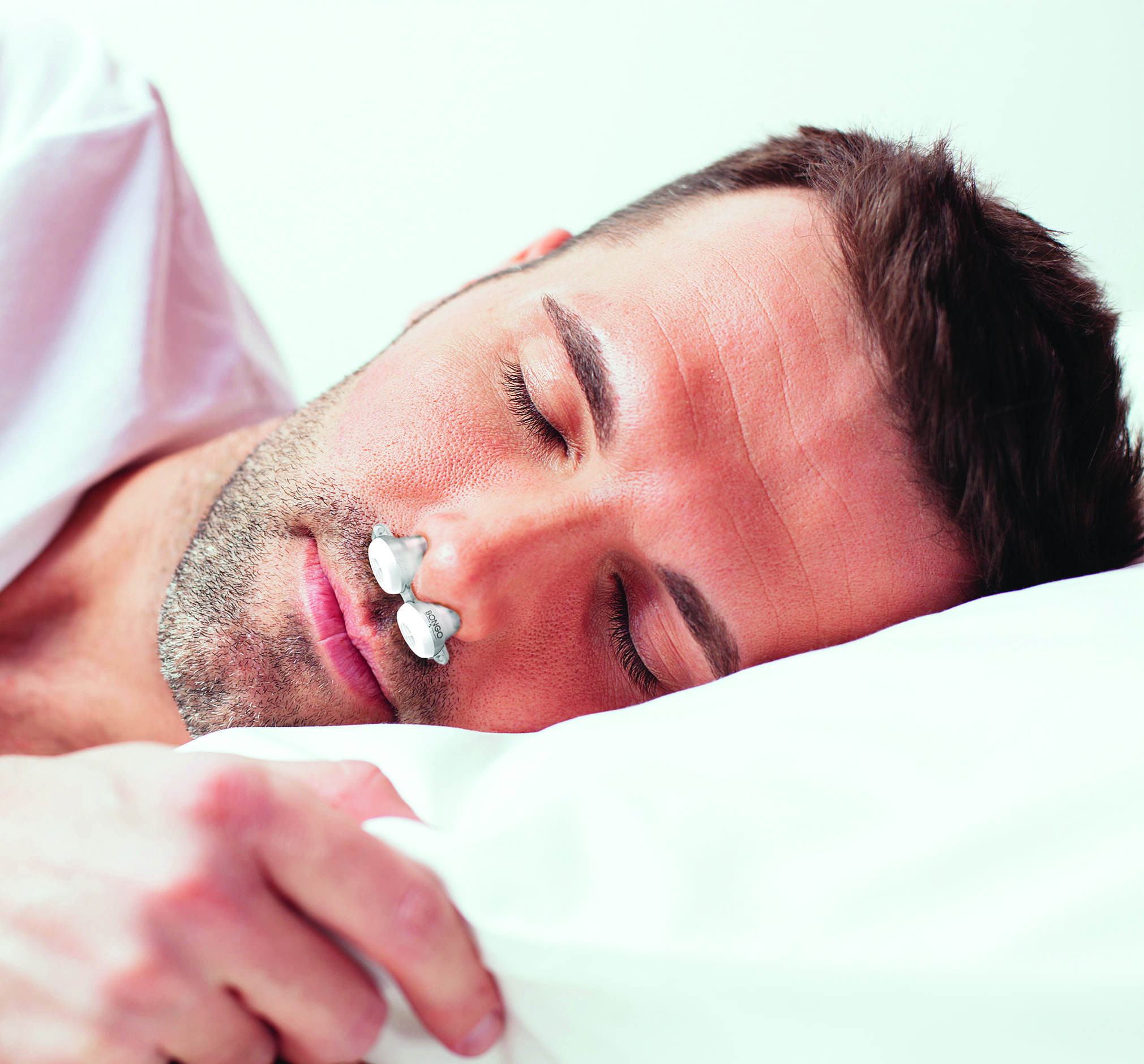
- Bongo Rx Studies: Clinical data submitted to the FDA and presented at the SLEEP 2019 conference demonstrated significant reductions in AHI among users. The data suggests that for the right candidate, the device performs consistently across both in-lab and home settings.
- Comparative Resistance Studies: A 2022 study published in Sleep Medicine (Sleeper et al.) compared the physical resistance generated by various EPAP devices. The study highlights that not all "resistance" is created equal, and the geometry of the valve significantly dictates how well a device maintains pressure throughout the full duration of exhalation.
- Flow Resistance Research: Research published in the Journal of Sleep Medicine and Disorders (Hakim et al., 2021) provided a critical look at how different devices generate pressure, reinforcing that device selection should be based on a patient’s specific pressure requirements.
Official Responses and Regulatory Implications
The regulatory landscape for EPAP remains bifurcated. Prescription devices (Bongo Rx, ULTepap 2) are held to higher clinical evidence standards, requiring rigorous FDA 510(k) clearance processes that link the device directly to the treatment of obstructive sleep apnea.
Conversely, OTC devices like the Optipillows are often marketed for "snoring," a subtle but vital distinction in medical terminology. While these devices may provide physiological benefits similar to their prescription counterparts, they occupy a space where patients must be more vigilant about their own treatment outcomes. Patients are strongly encouraged to consult with a sleep specialist before abandoning CPAP in favor of any EPAP device, as untreated moderate-to-severe OSA carries significant cardiovascular risks.
Implications for the Future of Sleep Medicine
The emergence of high-quality EPAP devices suggests a shift toward "patient-centered" sleep therapy. For decades, the industry relied on the assumption that if a patient was diagnosed, they would adapt to CPAP. We now recognize that the "one-size-fits-all" approach to sleep therapy has been a primary driver of the massive non-compliance rates seen in the industry.
Personalized Treatment Plans
The future of sleep medicine lies in a tiered approach:
- Primary Therapy: CPAP/APAP for moderate to severe cases.
- Secondary/Alternative Therapy: EPAP devices for those with mild obstruction, those who travel, or those who simply cannot tolerate the sensory input of a pressurized mask.
- Combination Therapy: Utilizing EPAP in conjunction with other treatments to lower the required CPAP pressure, thereby increasing comfort and long-term adherence.
The Role of Technology
As materials science advances, we can expect the next generation of EPAP devices to be even more ergonomic. We are moving toward materials that are more hypoallergenic, more durable, and capable of integrating with mobile applications to track nightly AHI metrics, bridging the data-gap that currently exists between simple passive devices and smart CPAP machines.
Conclusion: A New Era of Accessibility
The adoption of EPAP devices represents a meaningful expansion of the sleep medicine toolkit. While these devices are not a panacea for all cases of obstructive sleep apnea, their impact on the quality of life for the "CPAP-averse" patient cannot be overstated.
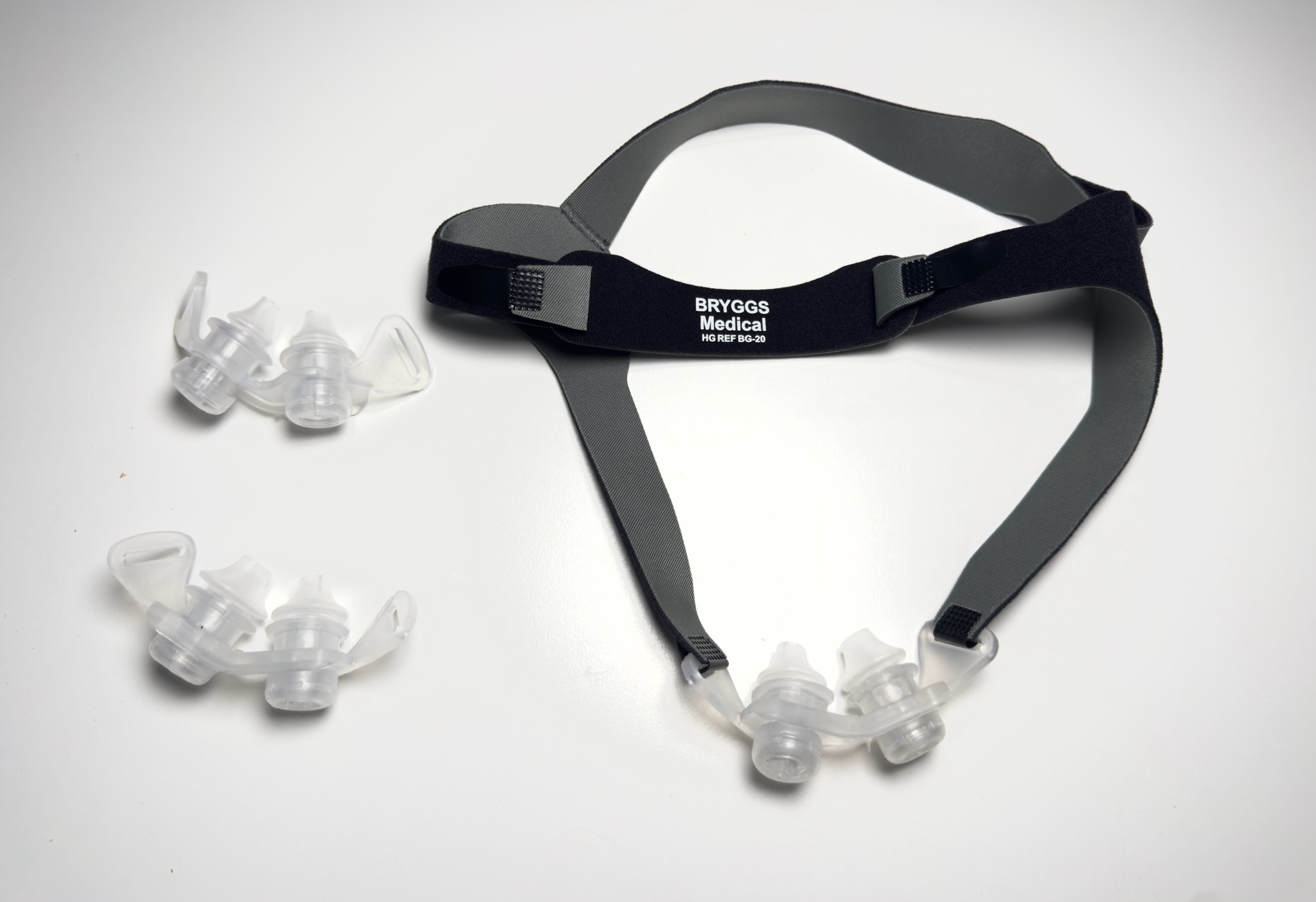
By prioritizing portability, comfort, and the elimination of power requirements, manufacturers are effectively lowering the barrier to entry for sleep treatment. However, the efficacy of these devices remains tethered to appropriate patient selection. Whether choosing the prescription-based precision of the Bongo Rx and ULTepap 2 or the accessible versatility of the Optipillows, patients should proceed with the guidance of a physician.
As we look toward 2026 and beyond, the integration of these devices into standard care protocols promises a more flexible, sustainable, and patient-focused future for the treatment of sleep-disordered breathing.
Disclaimer: This guide is based on data provided by the manufacturers. Always consult with a board-certified sleep specialist before changing your prescribed therapy. Individual results may vary.