





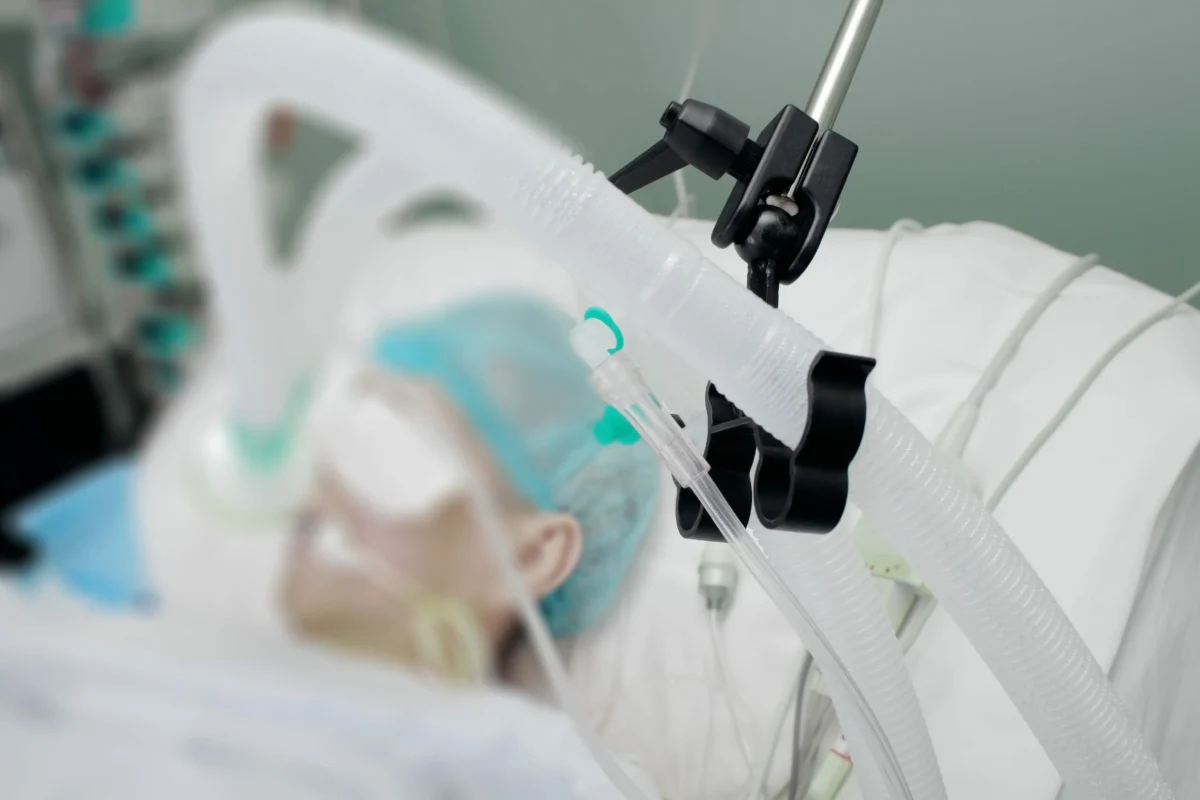
In a transformative development for critical care medicine, the U.S. Food and Drug Administration (FDA) has officially granted De Novo marketing authorization to Autonomous Healthcare for its flagship software, Syncron-E. This regulatory milestone establishes an entirely new medical device category: “ventilator waveform analysis software.” As the first product to be cleared under this designation, Syncron-E represents a paradigm shift in how clinicians approach the complex, often invisible challenge of patient-ventilator asynchrony.
Designed as an adjunctive tool for respiratory therapists (RTs), the software automates the detection of "ineffective efforts"—instances where a mechanically ventilated patient attempts to breathe, but the machine fails to provide the corresponding support. By digitizing and streamlining the analysis of ventilator waveforms, Syncron-E aims to replace subjective, manual interpretation with high-fidelity, automated clinical intelligence.
The Core Challenge: Deciphering Patient-Ventilator Asynchrony
At the heart of modern intensive care lies the delicate interplay between the patient and the ventilator. While mechanical ventilation is a life-saving intervention, it is inherently invasive. A successful outcome requires the ventilator’s output to be perfectly synchronized with the patient’s respiratory drive. When this alignment fails, it creates "patient-ventilator asynchrony."
Understanding Ineffective Efforts
Among the various forms of asynchrony, "ineffective efforts" represent the most frequent and arguably the most dangerous category. These occur when the patient initiates a respiratory effort, but the mechanical system remains unresponsive. This mismatch is more than a technical glitch; it is a clinical event that can have profound physiological consequences.
Research indicates that ineffective efforts affect nearly 50% of patients receiving invasive mechanical ventilation. Because these events are often intermittent and visually subtle on a standard bedside monitor, they are frequently missed during routine manual waveform checks. When left undetected, the consequences are cumulative:
- Respiratory Muscle Injury: Persistent mismatch can lead to diaphragmatic atrophy or injury.
- Prolonged Ventilation: Patients suffering from unrecognized asynchrony often remain tethered to mechanical support for longer durations.
- Weaning Failure: The difficulty of transitioning a patient off the ventilator is significantly compounded by chronic asynchrony.
- Increased Mortality: Studies have consistently linked high rates of asynchrony to poorer clinical outcomes and increased length of stay in the Intensive Care Unit (ICU).
Chronology: A Multi-Year Path to Innovation
The path to FDA De Novo authorization was not merely a regulatory exercise; it was a years-long commitment to filling a void in critical care technology.
Phase I: Identification of the Gap (2018–2020)
Autonomous Healthcare recognized that while ICU technology had advanced, the interpretation of waveform data remained largely manual. Respiratory therapists, managing high patient-to-clinician ratios, were tasked with identifying fleeting waveform abnormalities during their rounds—a task prone to human error and fatigue.
Phase II: Engineering and Clinical Validation (2020–2023)
The development team focused on building an algorithm capable of parsing complex ventilator data from adult patients (22 years and older). Unlike traditional alarms that trigger based on static thresholds, Syncron-E was engineered to analyze recorded waveform data, identifying patterns of ineffective efforts that occur over time.
Phase III: Regulatory Strategy (2023–2024)
Autonomous Healthcare made the strategic decision to pursue a De Novo pathway. This path is reserved for novel devices that present low-to-moderate risk but have no "predicate" (existing) device on the market. By choosing this route, the company effectively petitioned the FDA to create a new regulatory class, acknowledging that the tool was fundamentally different from existing respiratory monitoring hardware.
Phase IV: FDA Authorization (2024)
Following rigorous review of the clinical data and the software’s safety profile, the FDA granted the De Novo authorization. This officially designated Syncron-E as a Class II medical device, setting the standard for all future software in the "ventilator waveform analysis" category.
Supporting Data and Clinical Implications
The clinical significance of Syncron-E lies in its ability to transform raw, historical data into actionable insights. In a typical ICU setting, ventilators generate massive amounts of waveform data, most of which goes unreviewed due to the sheer volume of information.
Automating the Manual Task
Respiratory therapists currently perform "spot checks" of waveforms. This is a snapshot in time. Syncron-E, however, acts as a continuous, automated auditor. By analyzing previously recorded data, the software generates a structured summary for the clinician. This allows the respiratory therapist to transition from a reactive state—waiting for an alarm to sound or an issue to become apparent—to a proactive state of care management.
Impact on Clinical Workflow
The implementation of Syncron-E is expected to have a cascading effect on hospital operations:
- Earlier Detection: By identifying subtle patterns of asynchrony that would otherwise go unnoticed, the software allows for earlier adjustments to ventilator settings.
- Optimized Sedation: Asynchrony is often mistakenly treated with increased sedation, which brings its own risks. By addressing the root cause (the ventilator-patient mismatch), clinicians may reduce the reliance on sedative medications.
- Improved Resource Allocation: By decreasing the time patients spend on mechanical ventilation, hospitals may see an increase in ventilator availability, a critical metric in high-capacity ICU environments.
Official Responses: A Milestone for the Industry
The executive leadership at Autonomous Healthcare has framed this authorization as a foundational moment for the intersection of artificial intelligence and critical care.
Behnood Gholami, PhD, co-founder and CEO of Autonomous Healthcare, emphasized the deliberate difficulty of their regulatory journey. "This FDA De Novo grant is a milestone years in the making and a defining moment for Autonomous Healthcare," Gholami stated. "We took the harder path of creating a new device category because clinicians need tools that simply didn’t exist before."
His perspective is echoed by the company’s Chief Medical Officer, James M. Bailey, MD, PhD, who highlighted the practical reality of bedside medicine. "Asynchrony is a very common problem in the ICU, yet because it is intermittent and respiratory therapists care for many patients at once, it often goes unrecognized," Dr. Bailey explained. "Recognition is the first step in managing any clinical problem, and we believe Syncron-E will help change that."
Future Outlook: The New Standard of Care
The FDA’s decision to classify Syncron-E as the first of its kind sets a high bar for future respiratory software. It signals a move toward "Precision Ventilation," where AI-assisted tools handle the high-frequency analysis of physiological data, leaving the clinician free to focus on patient-centered decision-making.
The Role of Software as a Medical Device (SaMD)
As medicine becomes increasingly digital, the "Software as a Medical Device" (SaMD) sector is expected to expand rapidly. Syncron-E serves as a blueprint for how diagnostic and analytical software can be integrated into existing hospital infrastructure without requiring the replacement of expensive hardware. Because Syncron-E operates on recorded data, it is compatible with a wide array of existing ventilator platforms, making its integration into standard ICU workflows relatively seamless.
Challenges and Next Steps
While the technology represents a significant leap forward, the success of Syncron-E will depend on widespread adoption and the willingness of hospital systems to invest in digital respiratory tools. Implementation will require training and a change in standard operating procedures within the respiratory therapy department.
Furthermore, as the first product in this category, Autonomous Healthcare now holds the responsibility of demonstrating long-term clinical utility in real-world settings. Future studies will likely focus on whether the early identification of asynchrony through Syncron-E directly correlates with statistically significant reductions in ventilator-associated pneumonia (VAP), decreased ICU lengths of stay, and improved patient-reported outcomes regarding comfort.
Conclusion
The FDA De Novo authorization of Syncron-E is more than just a regulatory victory; it is a technological mandate. By bringing the "invisible" inefficiencies of mechanical ventilation to the surface, Autonomous Healthcare has provided a tool that addresses a long-standing failure in critical care. As the healthcare industry continues to embrace AI, Syncron-E stands as a testament to the power of targeted, software-driven solutions to improve patient safety and enhance the precision of life-sustaining care.