For millions of people, a good night’s sleep remains an elusive luxury. If you find yourself waking up feeling unrefreshed, struggling with daytime fatigue, or if a partner has complained about your loud, disruptive snoring, you may be grappling with more than just a bad night’s sleep. You could be facing Obstructive Sleep Apnea (OSA), a chronic condition that, if left untreated, can have significant repercussions on your long-term cardiovascular and metabolic health.
In the landscape of modern sleep medicine, clinicians rely on a variety of diagnostic tools to triage patients. Among the most widely utilized, simple, and effective screening instruments is the STOP-BANG questionnaire. While it is not a diagnostic test, it serves as a critical first line of defense in identifying those who may need a formal medical evaluation.
Understanding the Landscape: What is Obstructive Sleep Apnea?
Obstructive Sleep Apnea is a sleep disorder characterized by repeated pauses in breathing during sleep. These pauses, known as apneas, occur when the muscles in the back of the throat fail to keep the airway open, despite the effort to breathe. During these moments, oxygen levels in the blood drop, and the brain briefly rouses the individual from deep, restorative sleep to reopen the airway—often with a loud snort or gasp.
The health implications of untreated OSA are profound. Chronic sleep fragmentation and nocturnal hypoxia (low oxygen) are linked to an increased risk of hypertension, type 2 diabetes, heart disease, and stroke. Given these risks, the medical community emphasizes the importance of early detection.
The Origins and Evolution of the STOP-BANG Tool
The STOP-BANG questionnaire was developed by Dr. Frances Chung and her colleagues at the University Health Network (UHN) to address the need for a rapid, reliable screening tool for surgical patients. Before its inception, identifying OSA in a clinical setting was often cumbersome, requiring lengthy interviews or expensive, specialized equipment.
The tool was designed to be binary and objective. By asking eight simple, yes-or-no questions, practitioners can assess a patient’s risk profile in under two minutes. Over the years, the questionnaire has transitioned from a surgical screening tool into a broader public health instrument, used by primary care physicians, dentists, and even home-based health monitors to identify patients who are "at risk" of harboring moderate to severe sleep apnea.
Decoding the Acronym: The Eight Pillars of Risk
The power of the STOP-BANG tool lies in its simplicity. Each letter represents a specific clinical indicator that has been scientifically correlated with the likelihood of airway collapse during sleep.
The "STOP" Components (Self-Reported Symptoms)
- S – Snoring: Do you snore loudly (loud enough to be heard through closed doors or enough to annoy your bed partner)? Snoring is often the primary physical manifestation of a narrowed airway.
- T – Tired: Do you often feel tired, fatigued, or sleepy during the daytime? This is a classic symptom of the body failing to achieve REM or deep sleep stages due to constant micro-arousals.
- O – Observed: Has anyone observed you stop breathing or choking/gasping during your sleep? This is perhaps the strongest predictor of OSA, as it indicates a total or near-total airway obstruction.
- P – Pressure: Do you have or are you being treated for high blood pressure? Hypertension is both a risk factor for and a frequent consequence of sleep apnea.
The "BANG" Components (Objective Data)
- B – BMI: Is your Body Mass Index greater than 35 kg/m²? Increased adipose tissue around the neck can exert physical pressure on the airway.
- A – Age: Are you older than 50 years? As we age, muscle tone in the throat tends to decrease, making the airway more susceptible to collapse.
- N – Neck Circumference: Is your neck circumference greater than 16 inches (40 cm)? A larger neck size often correlates with excess tissue surrounding the pharynx.
- G – Gender: Are you male? Statistically, men are at a significantly higher risk for OSA than women, particularly before menopause.
Analyzing the Score: What Do Your Results Mean?
Each "yes" response grants one point, leading to a total score out of eight. The scoring system is calibrated to err on the side of caution:
- Low Risk (0–2 points): While a low score is reassuring, it does not provide an absolute guarantee that sleep apnea is absent. If symptoms persist, consultation with a physician is still warranted.
- Intermediate/High Risk (3–8 points): A score of 3 or higher acts as a "red flag." It suggests a higher probability of obstructive sleep apnea. At this stage, clinical guidelines suggest that the patient should be evaluated by a professional to determine if a formal sleep study is necessary.
The Diagnostic Pathway: Beyond the Questionnaire
It is vital to reiterate that the STOP-BANG questionnaire is a screening tool, not a diagnostic one. It functions similarly to a blood pressure cuff at a pharmacy—it identifies a potential issue, but it does not tell you why or how severe the issue is.
If you score in the high-risk range, your doctor will typically follow one of two paths:
- In-Lab Polysomnography (Sleep Study): You spend a night at an accredited sleep center, where technicians monitor your brain waves, heart rate, oxygen levels, and breathing patterns. This is the gold standard for diagnosis.
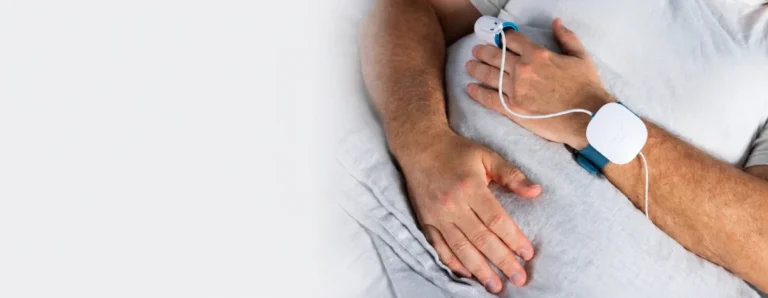
- Home Sleep Apnea Testing (HSAT): For many, modern technology allows for testing in the comfort of their own bedroom. These devices are smaller and less invasive but are typically reserved for patients with a high pre-test probability of moderate to severe OSA.
Clinical Implications and Official Responses
Professional sleep medicine organizations, such as the American Academy of Sleep Medicine (AASM), advocate for the use of validated screening tools like STOP-BANG to help manage the massive population of undiagnosed sleep apnea sufferers.
Research published in various medical journals has validated the tool’s high sensitivity. In a surgical context, it has proven remarkably effective at predicting which patients might face respiratory complications under anesthesia. However, critics of the tool note that it can have a higher rate of "false positives" in the general population compared to high-risk clinical populations. This is why the medical community emphasizes that the "score" is only the beginning of a conversation, not the end.
The Path Forward: Why Action Matters
Ignoring the symptoms of sleep apnea is a gamble with your long-term wellness. Many people normalize their fatigue, assuming that being tired is simply a byproduct of aging or a busy lifestyle. However, when the underlying cause is airway obstruction, the body is under constant stress.
If your STOP-BANG score suggests you are at risk, do not panic. Sleep apnea is one of the most treatable conditions in modern medicine. Treatments range from lifestyle modifications—such as positional therapy, weight management, and oral appliances—to the gold-standard treatment, Continuous Positive Airway Pressure (CPAP) therapy.
Actionable Steps for the Concerned
- Document your symptoms: Keep a sleep diary for one week. Note how many times you wake up, your energy levels at 2:00 PM, and any feedback from your partner.
- Speak with your primary care physician: Bring your STOP-BANG results to your next check-up. Be specific about your symptoms.
- Seek an accredited center: If your doctor suspects apnea, ensure any testing is done through an AASM-accredited sleep center to ensure the highest standards of data collection and interpretation.
Conclusion: Investing in Your Sleep Health
Your sleep is the foundation upon which your physical and mental health is built. By utilizing tools like the STOP-BANG questionnaire, you are taking an active, informed role in your own healthcare. The questionnaire is not designed to diagnose you, but it is designed to empower you—giving you the data you need to start a productive, life-changing conversation with your doctor.
Remember, the goal of screening is not to find a disease, but to reclaim your vitality. Whether it is improving your focus, lowering your blood pressure, or simply waking up feeling rested, the journey toward better sleep starts with asking the right questions.
Medical review provided by Katherine Moawad, DO. This article is intended for educational purposes only and does not constitute medical advice. The STOP-BANG questionnaire is the intellectual property of Dr. Frances Chung and UHN. For professional clinical use, please visit www.stopbang.ca for licensing and interactive tools.