











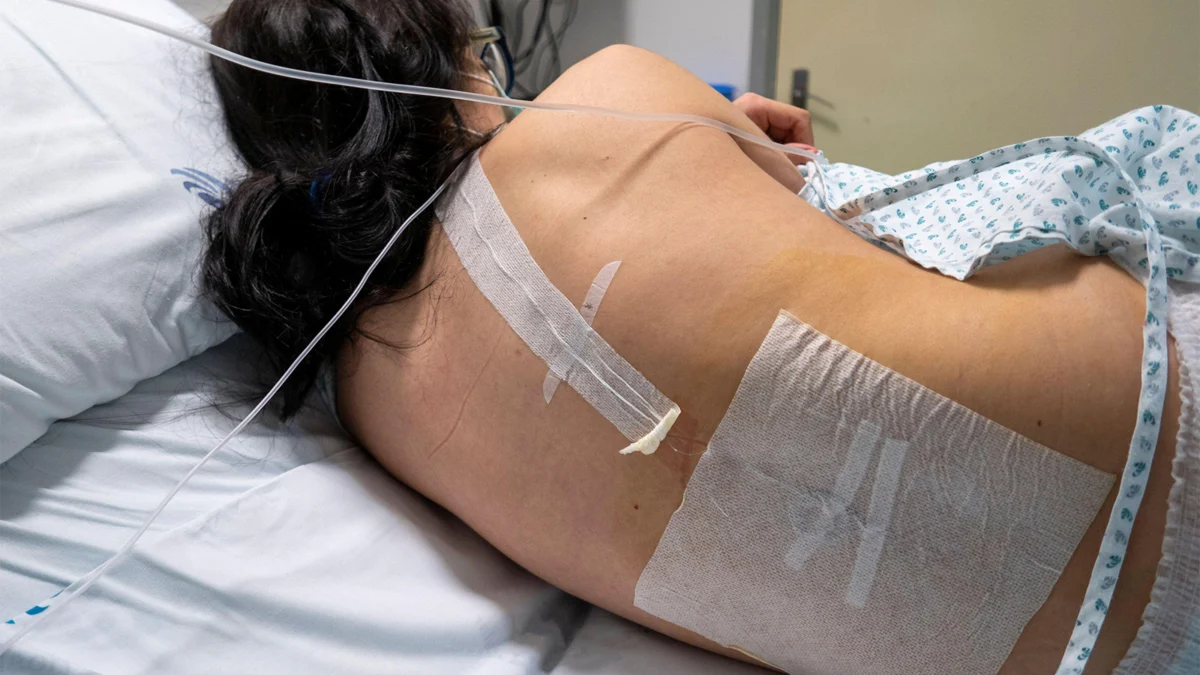
For decades, the epidural has stood as the gold standard for pain management during labor, yet it has remained a subject of persistent debate in parenting forums and medical circles alike. While obstetricians routinely champion the procedure for its effectiveness, a lingering cloud of misinformation—often fueled by anecdotal reports and unverified social media claims—has led some expectant parents to fear that the procedure might carry hidden risks for their newborn’s long-term neurological health.
A landmark study published in The BMJ has now provided some of the most robust evidence to date, suggesting that these fears may be unfounded. By analyzing nearly half a million births in Scotland, researchers have concluded that epidural analgesia is not associated with an increased risk of adverse neonatal neurological outcomes. This extensive cohort study serves as a critical contribution to the field of perinatal medicine, offering a data-driven foundation for clinical decision-making.
Main Facts: The Scope and Findings of the Study
The study, led by Rachel Kearns, MBChB, MD, of the Glasgow Royal Infirmary, was designed to address the "evidence gap" regarding the long-term impact of epidurals on children. Utilizing six Scotland-wide administrative databases, the research team conducted a comprehensive analysis of 495,695 women who gave birth between January 2007 and December 2019.
The findings were unequivocal: researchers found no statistically significant association between the use of epidural analgesia during labor and neonatal neurological morbidity (adjusted relative risk [aRR] 0.87, 95% CI 0.68-1.12).
Specifically, the study defined neonatal neurological morbidity as a composite outcome, including severe conditions such as hypoxic-ischemic encephalopathy (HIE), neonatal seizures, intraventricular hemorrhage, cerebral infarction, periventricular leukomalacia, and meningitis, occurring within 28 days of birth. Across the entire cohort, this morbidity occurred in only 434 infants, or roughly 0.9 per 1,000 births. Perhaps most surprisingly, the raw data indicated that infants exposed to epidurals actually had a lower crude event rate of neurological complications (0.07%) compared to those who did not receive an epidural (0.09%).
Chronology and Methodology: Deciphering the Data
To ensure the integrity of the findings, the researchers applied rigorous inclusion and exclusion criteria. The study focused on singleton pregnancies ranging from 24+0 to 42+6 weeks of gestation. The research team meticulously excluded planned cesarean sections, as these births involve different physiological variables and analgesic protocols.
Key Methodological Steps:
- Database Integration: The study linked six national Scottish databases to capture a holistic view of maternal and infant health trajectories.
- Definition of Exposure: Epidural analgesia was strictly defined as a conventional lumbar epidural administered at any point during the labor process.
- Composite Outcome Tracking: The study tracked a wide array of secondary outcomes, including neonatal sepsis, low Apgar scores (less than 4 at 5 minutes post-birth), and long-term developmental markers like childhood cerebral palsy.
- Refinement: The researchers adjusted for a wide range of variables, including maternal age, socioeconomic status (using area deprivation as a proxy), and pre-existing conditions like diabetes and preeclampsia.
The sheer scale of the study—spanning over a decade—allows for a high degree of statistical confidence. By examining such a large, population-based cohort, the researchers were able to filter out "noise" that might otherwise skew results in smaller clinical trials.
Supporting Data: Understanding the Physiological Landscape
To understand why this study is so vital, one must look at the physiological paradox of the epidural. Epidural analgesia is undeniably effective at mitigating pain, which, in turn, reduces the maternal body’s release of stress hormones like cortisol and catecholamines. In theory, this reduction in stress should be beneficial for the fetus.
However, medical professionals have long been aware of the potential for physiological side effects. Epidurals are known to potentially cause maternal hypotension, which can lead to altered uteroplacental perfusion—the flow of blood to the placenta—and, by extension, fetal heart rate abnormalities. Furthermore, maternal fever is a recognized, albeit common, side effect of epidural use.
Because of these potential physiological changes, there has been a long-standing question about whether the placental transfer of anesthetic drugs or these transient drops in perfusion could have lasting impacts on the neonate. This study directly addresses those concerns, finding that even if these physiological shifts occur, they do not translate into measurable neurological morbidity in the infant.
Subgroup analyses further bolstered the researchers’ confidence. The findings remained consistent across various modes of delivery (vaginal vs. assisted), maternal risk profiles, and gestational ages. Whether the mother was a first-time parent or had previously given birth, the safety profile of the epidural remained constant.
Official Responses and Expert Perspective
The medical community has greeted the study with widespread approval. Dr. Nikki Zite, a professor at the University of Tennessee Medical Center in Knoxville, provided an expert perspective on why these findings are so pertinent to the current clinical environment, particularly in the United States.
"It’s still reassuring to have more evidence that epidurals do not increase neonatal or childhood morbidity," Dr. Zite noted. She highlighted a significant cultural contrast: while less than a quarter of the Scottish patients in the study opted for an epidural, approximately 75% of women in the U.S. choose this method of pain management.
Dr. Zite pointed to a growing problem: the proliferation of misinformation on social media platforms. Many expectant parents encounter "horror stories" or pseudoscientific claims that link epidurals to developmental delays or neurological issues. These myths often circulate without scientific backing, creating unnecessary anxiety during a high-stress period. By providing a large-scale, population-based study, The BMJ has provided clinicians with a powerful tool to counter these narratives with high-quality evidence.
"These results should reassure parents and clinicians that epidural analgesia use in labor is safe for babies and support informed, evidence-based decision making about analgesic options in labor," the study authors emphasized in their report.
Implications for Future Care
The implications of this study are multifaceted, touching upon clinical practice, patient education, and future research directions.
For Clinicians
The study provides a clear "green light" for the continued use of epidurals. Obstetricians and anesthesiologists can now present this data to expectant parents who express hesitation, reinforcing that the benefits—such as reduced maternal exhaustion and the potential for reduced severe maternal morbidity—outweigh the perceived, yet unsupported, neurological risks to the baby.
For Patient Education
Healthcare providers are often tasked with debunking online myths during prenatal visits. This study serves as a cornerstone for patient education, moving the conversation away from fear-based speculation and toward a nuanced understanding of risk-benefit ratios. When parents understand that the neurological safety of their child is not compromised by an epidural, they can make decisions based on their own comfort preferences rather than anxiety.
For Future Research
Despite the robustness of the study, the authors were careful to note its limitations. The study lacked granular data on specific physiological variables during labor—such as exact blood pressure fluctuations or the specific cocktail of medications used in the epidural—and ethnicity data was missing for nearly 40% of the cohort. Furthermore, while the study looked at long-term outcomes like cerebral palsy, future research may want to investigate more subtle developmental or behavioral outcomes in early childhood to provide an even more comprehensive safety profile.
The Bottom Line
Ultimately, the study published in The BMJ is a victory for evidence-based medicine. It confirms that the most common intervention for labor pain in developed nations is not just effective for the mother, but safe for the newborn. As the debate over birth interventions continues to evolve, this research stands as a reliable, data-driven shield against the misinformation that too often clouds the journey into parenthood. For those preparing for the arrival of a new family member, the evidence is clear: when it comes to the neurological safety of your baby, the epidural is not the source of harm many have feared.