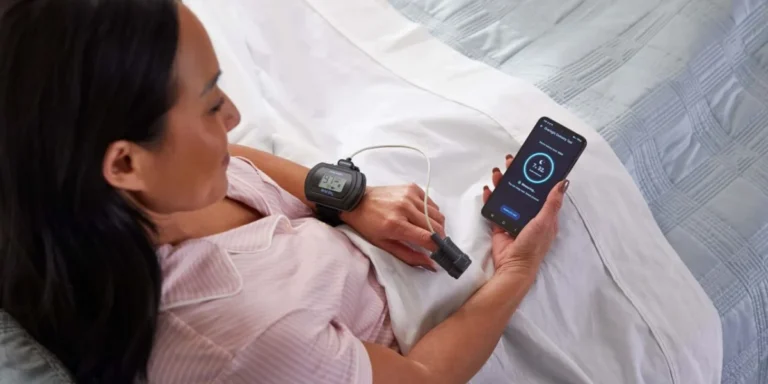










For decades, the clinical management of obstructive sleep apnea (OSA) has been defined by a binary, often rigid, decision tree. Patients diagnosed with the disorder were typically funneled into a one-size-fits-all approach: Continuous Positive Airway Pressure (CPAP) therapy or, if that proved intolerable, an oral appliance or surgery. This "either/or" mentality often ignored the heterogeneous nature of the condition, leading to high rates of treatment abandonment and lingering patient frustration.
However, a paradigm shift is currently underway. The rise of pharmacologic interventions—most notably glucagon-like peptide-1 (GLP-1) receptor agonists and emerging compounds targeting airway neuromuscular tone—is finally allowing clinicians to move toward a model of precision medicine. By treating OSA as a complex, chronic condition akin to hypertension or diabetes, sleep specialists are beginning to embrace a multi-modal "polytherapy" approach that prioritizes the unique physiological needs of the individual.
Main Facts: The End of the Binary Model
The traditional reliance on CPAP, while clinically effective for many, has long been hampered by adherence issues and a lack of nuance. OSA is not a monolithic disease; it manifests through various phenotypes, ranging from obesity-driven obstruction to anatomical issues or high loop gain (instability in the respiratory control system).
The introduction of GLP-1 receptor agonists, such as tirzepatide (Zepbound), has provided a powerful new tool in the sleep medicine toolkit. Rather than viewing these medications as replacements for devices, leading clinicians are positioning them as foundational elements of a comprehensive, personalized treatment strategy. This reflects a broader trend in medicine where clinicians combine therapies to target different underlying mechanisms of disease simultaneously, rather than relying on a single, often insufficient, intervention.
A Chronological Evolution of OSA Care
The journey toward modern OSA management has been marked by several distinct phases:
- The Era of Exclusivity (1980s–2010s): CPAP established itself as the gold standard. During this period, the clinical focus was almost entirely on the Apnea-Hypopnea Index (AHI) as the primary measure of "success." If a patient could not tolerate the mask, they were often left with few effective, non-invasive alternatives.
- The Rise of Alternative Devices (2010s–2020s): The emergence of oral appliances and hypoglossal nerve stimulation provided relief for those who failed CPAP, but these treatments were still often viewed as "second-line" options rather than integrated components of a broader health strategy.
- The Pharmacologic Revolution (2023–Present): The SURMOUNT-OSA trials and the subsequent FDA focus on weight-loss medications for OSA have changed the landscape. Suddenly, the focus shifted from "what device can I use?" to "how can I reduce the overall disease burden through systemic health improvements?"
- The Future (2026 and beyond): Current projections suggest the adoption of "rational, advanced treatment" models where clinicians prescribe combinations of medication, devices, and lifestyle interventions, monitored by sophisticated metrics beyond just AHI.
Supporting Data: Evidence for a New Approach
The clinical data supporting this shift is compelling. The SURMOUNT-OSA trials evaluated the efficacy of tirzepatide in patients with moderate-to-severe OSA and obesity. The results were striking: adults not on PAP therapy experienced an average reduction of 25 breathing disruptions per hour, compared to just five in the placebo group. For those already using PAP, the benefit was even greater, with an average reduction of 29 events per hour.
Furthermore, a recent survey of 50 ENTs and 100 sleep specialists, paired with electronic health record data from approximately 2.8 million OSA diagnoses, revealed a significant change in provider behavior. The data suggests that while GLP-1s may cause a temporary dip in the uptake of surgical interventions like neurostimulation, they are actually expanding the total pool of patients seeking treatment. By helping patients achieve a more favorable BMI, these drugs are making a wider range of patients eligible for long-term surgical success, creating a "net increase" in active, treated patients.
Current utilization rates are telling: sleep specialists are already using GLP-1s in 29% of their first-line treatment plans. When CPAP is the primary modality, GLP-1s are utilized as an adjunct in roughly 50% of cases, confirming that the move toward polytherapy is already occurring in real-world clinical settings.
Official Responses and Clinical Perspectives
The medical community is largely embracing this shift, though with a healthy dose of caution regarding the administrative and logistical challenges it presents.
"Rather than asking which single therapy is best, I think clinicians will increasingly ask which combination of therapies best addresses an individual patient’s underlying pathophysiology, symptoms, and overall risk profile," says Dr. Taylor Treacy, a postgraduate in pulmonary, critical care, and sleep medicine at The Mount Sinai Hospital.
Dr. Treacy emphasizes that medication can prevent the psychological burden of "failure." By using a GLP-1 to facilitate weight loss, a patient who previously found CPAP overwhelming may find that their disease severity decreases to a point where they are more capable—and willing—to adhere to PAP therapy or other devices.
From the manufacturer’s side, there is a clear intent to align with this multi-modal vision. An Eli Lilly spokesperson stated, "Zepbound is not intended to replace [PAP therapy]. Instead, it provides an option… supporting individualized treatment approaches based on the unique needs of each person."
Dr. Ofer Jacobowitz, a prominent ENT-sleep surgeon, notes that the integration of medications is already changing the surgical landscape. "The use of medications has become fairly prevalent, and yes, I am seeing patients who have shifted into a more favorable BMI category," he explains. "Even if it’s the same patient with a BMI of 32 versus now 29 or 28, the patient is a much better candidate for neurostimulator therapy."
Implications for the Future of Sleep Medicine
The move toward polytherapy and precision medicine carries significant implications for the field of sleep medicine:
1. Redefining "Success"
The reliance on AHI as the sole metric of success is becoming obsolete. Leading clinicians are now advocating for a multidimensional strategy. This includes measuring "hypoxic burden," daytime functional improvements, cardiovascular risk reduction, and patient-reported quality of life. The goal is no longer just to "stop the snoring" or "lower the AHI," but to mitigate the systemic damage caused by chronic sleep-disordered breathing.
2. Administrative and Economic Realities
Adopting a pharmacologic approach requires a change in how sleep clinics operate. Managing GLP-1s involves significant administrative work, including insurance pre-authorizations, monitoring for side effects, and managing dose adjustments. Many clinics are currently ill-equipped for this, forcing them to decide whether to hire specialized staff or collaborate more closely with endocrinologists and primary care physicians.
3. The Challenge of Sustainability
A critical concern is what happens when medication is discontinued. Weight regain is a common reality if GLP-1s are stopped, which could potentially nullify the gains made in OSA management or surgical candidacy. Consequently, long-term management plans must include strategies for long-term weight maintenance and consistent monitoring of OSA symptoms.
4. Sequencing Strategies
The new clinical question is "how to sequence" these therapies. For some, the first step may be weight loss; for others, an investigational drug targeting airway muscle tone—such as the emerging compound AD109—might be the key to success. The field is moving toward a highly customized algorithm where the sequence of intervention is tailored to the patient’s phenotype, symptoms, and personal preferences.
Conclusion: A More Human-Centric Model
The integration of pharmacotherapy into the sleep clinic is not merely a trend; it is the natural evolution of a medical specialty finally catching up to the complexities of human biology. By moving away from the "one-size-fits-all" device model and toward a personalized, multi-modal strategy, clinicians are better equipped to treat the patient, not just the test result.
As the field continues to gather data on which combinations of drugs and devices are truly synergistic, the future of OSA care looks increasingly bright. The ultimate goal remains clear: reducing medical risk while respecting the patient’s lifestyle and unique physiological profile. With the addition of new pharmacologic tools, that goal is more attainable today than at any point in the history of sleep medicine.