










For decades, the pharmaceutical industry has looked toward the microscopic world for inspiration. Bacteria, the unassuming workhorses of the natural world, have long been known to produce sophisticated, highly potent anti-cancer compounds. Yet, despite our ability to isolate these compounds, the precise biological "blueprints" used by bacteria to synthesize them remained an enigma—a complex, elegant puzzle that defied traditional analysis.
Now, a team of researchers from the University of Warwick and Monash University has finally cracked that code. By unraveling how bacterial enzymes communicate to manufacture diverse families of cancer-fighting drugs, scientists have cleared a major hurdle in the field of synthetic biology. This breakthrough, published in Nature Communications, does more than solve a long-standing scientific mystery; it provides a definitive roadmap for the next generation of precision oncology.
The Mystery of Combinatorial Biosynthesis
To understand the magnitude of this discovery, one must first understand the concept of "combinatorial biosynthesis." In nature, certain bacteria act as tiny, highly efficient chemical factories. They don’t just produce a single molecule; they generate a variety of closely related drug variants. This diversity is essential for the survival of the bacteria, but for researchers, it has been a source of immense frustration.
For years, scientists have attempted to harness bacterial enzymes to create new drug variants, hoping to tailor treatments for specific cancers. However, these efforts were largely hit-or-miss. The fundamental issue was a lack of understanding regarding how these massive enzyme complexes—known as PKS-NRPS hybrids—coordinate their work. Without knowing how these enzymes "talk" to one another to swap and change chemical components, researchers were unable to replicate or manipulate the process effectively.
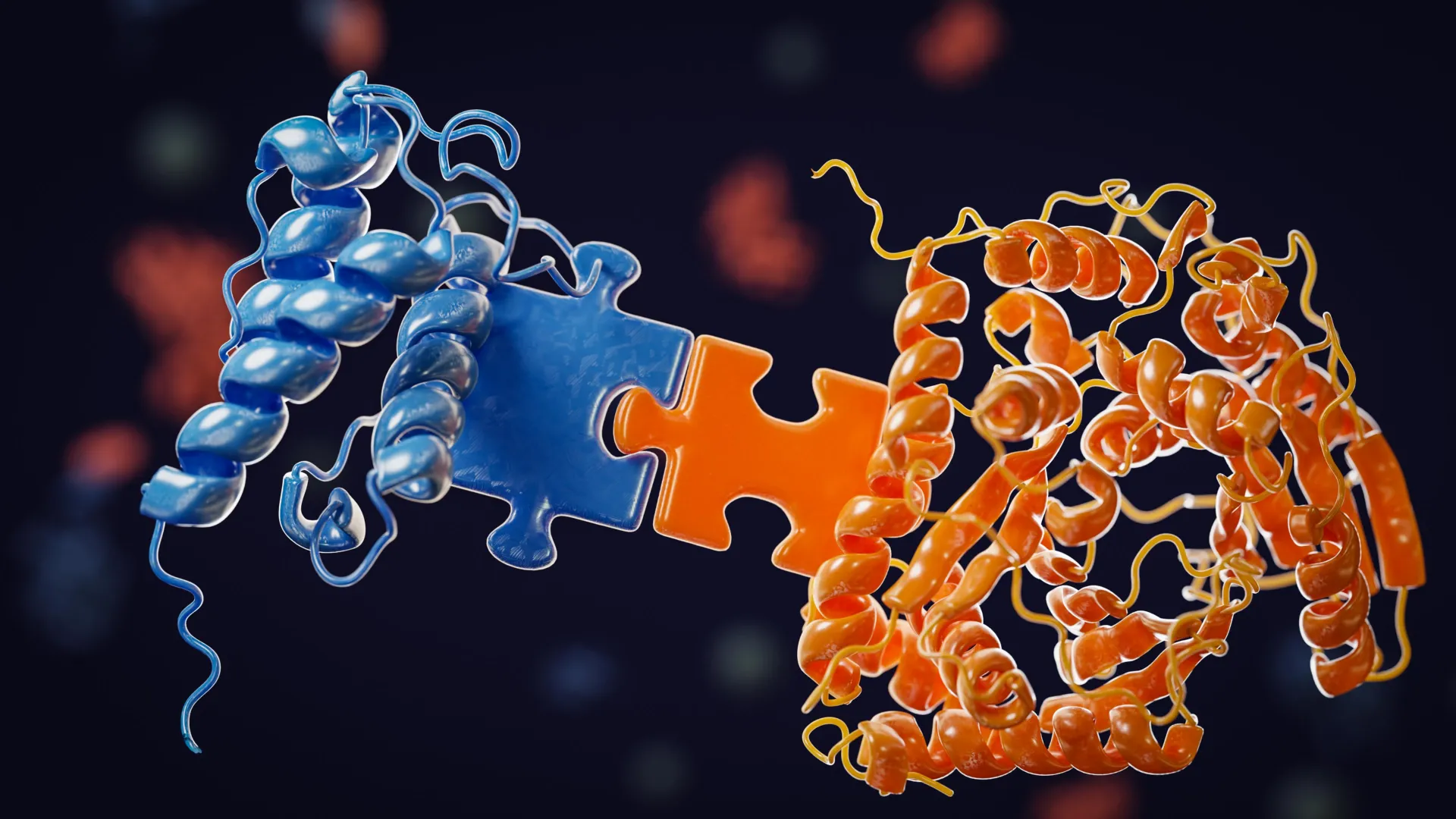
The new study identifies the missing link: "docking domains." These tiny molecular connectors act as the signaling hubs within the production line, dictating how components are passed from one enzyme to the next.
Chronology: A Decades-Long Pursuit
The quest to understand these pathways is not new. The history of this discovery is marked by persistent investigative work across several scientific disciplines:
- The Discovery of Romidepsin: The FDA-approved drug Romidepsin (Istodax), used to treat T-cell lymphomas, serves as the centerpiece of this research. While its clinical efficacy has been established for years, the exact biological pathway by which bacteria produce it—and its relative, FR-901375—remained obscured.
- The Early Hypotheses: Researchers spent years theorizing that there must be a modular, "mix and match" system within the bacterial machinery. However, the system was so "elegantly economical" that it escaped detection using standard biochemical techniques.
- The Integrative Approach: Recognizing that traditional single-discipline approaches were insufficient, the team at the University of Warwick employed a multi-faceted strategy. By merging structural biology (to visualize the physical shape of the molecules), biochemistry (to observe the reactions in real-time), genetics (to map the DNA responsible), and computational modeling (to predict how the proteins fold and interact), the researchers were finally able to map the entire process.
- The Breakthrough: By identifying the specific docking domains that allow for the "hand-off" of intermediate molecules, the team succeeded in demonstrating exactly how these bacterial factories produce such a high degree of chemical diversity without sacrificing precision.
Supporting Data: The Anatomy of a Molecular Factory
The core of the discovery lies in the PKS-NRPS hybrids. These massive protein complexes are responsible for synthesizing complex cyclic molecules known as depsipeptides. These compounds are built from amino acid building blocks and a conserved hydroxy acid pharmacophore, stitched together by peptide and ester bonds.
The research team found that the docking domains are the "linchpins" of this process. They are highly conserved regions that share a specific connection point, allowing them to interact with multiple enzyme partners. This flexibility allows the bacteria to effectively "plug and play" different modules into the production line.
When the researchers analyzed these docking domains, they discovered that they are not just physical connectors; they are regulatory gateways. By comparing the genetic sequences of different bacterial strains, the team confirmed that the production of diverse drug variants is a result of gene duplication and recombination over evolutionary time. This has allowed the bacteria to create a library of compounds that are chemically similar enough to be effective, yet varied enough to adapt to different environmental pressures.
Official Responses: From Understanding to Engineering
The implications of this discovery are profound, according to the lead researchers. Dr. Munro Passmore, the study’s first author and a Research Fellow at the University of Warwick, believes this is the breakthrough required to move from observation to active engineering.
"For decades, we’ve known that bacteria can naturally produce multiple versions of powerful anti-cancer drugs, yet we had no idea how they achieved this," Dr. Passmore stated. "This work finally cracks that code. We’ve identified how the different enzymes communicate and cooperate to produce these drug variants, something that has eluded researchers because the system is so elegantly economical. It’s the breakthrough we needed to actually engineer these drugs ourselves."
Professor Greg Challis, Monash Warwick Alliance Professor of Sustainable Chemistry, views this as a transition point for medicinal chemistry. "This research gives us a blueprint to do what nature does, but better and faster," Prof. Challis noted. "By reverse-engineering nature’s evolutionary logic, we can now design synthetic pathways that generate new anti-cancer drug candidates with properties optimized for clinical use, such as superior potency, improved selectivity, and fewer side effects."
The team’s immediate goal is to build an expanded library of drug candidates. By using this "blueprint," they intend to develop targeted treatments for various cancers that currently lack effective therapeutic options.
Implications for Future Cancer Therapies
The potential impact on the pharmaceutical pipeline is significant. The focus of this research—HDAC inhibitors—is a cornerstone of modern cancer treatment. Histone deacetylases are enzymes that regulate gene expression within cells; when they malfunction, they can contribute to the uncontrolled cell growth seen in cancers like T-cell lymphoma.
By mastering the "docking domain" system, scientists are no longer limited to the compounds nature has already produced. They can now:
- Optimize Selectivity: Design drugs that target specific cancer cells more accurately, sparing healthy tissue and reducing toxic side effects.
- Enhance Potency: Modify the molecular architecture of existing drugs to ensure they bind more effectively to their intended biological targets.
- Rapid Development: Create synthetic pathways that allow for the rapid testing of thousands of drug variants, drastically shortening the time it takes to move a candidate from the laboratory bench to clinical trials.
- Tackle Rare Cancers: Provide a platform to engineer drugs for "orphan" or rare cancers that have previously been ignored by large pharmaceutical firms due to the high costs and low success rates of traditional drug discovery.
Conclusion: The New Era of Synthetic Biosynthesis
The discovery made by the University of Warwick and Monash University represents a fundamental shift in our relationship with the natural world. For years, we have been "prospectors," digging through the bacterial world hoping to find a pre-made cure. We are now transitioning into "architects," capable of using the tools that nature has provided to design our own, superior solutions.
As the team continues to expand their library of candidates, the focus will shift toward rigorous pre-clinical testing. However, the hurdle that stopped progress for decades has been cleared. We now possess the key to the bacterial assembly line, and the door to a new era of cancer drug development is wide open. By learning to speak the language of bacterial enzymes, we are not just mimicking nature—we are mastering the logic of life to solve some of the most pressing medical challenges of our time.