









As the United States faces a demographic shift of historic proportions, the intersection of housing design and longevity has never been more critical. In celebration of May’s Older Americans Month and National Home Modification Month, the latest episode of the Caregiving Club On Air podcast features a deep dive into how we can adapt our physical environments to better serve our aging population.
Host Sherri Snelling, a renowned gerontologist, author, and CEO of the Caregiving Club, sat down with Sean Fitzgerald, President of TruBlueAlly, to address a staggering statistic: of the 100 million homes currently in the United States, a mere 1% are equipped with universal design features. This glaring deficiency is what Snelling famously terms “Peter Pan Home Syndrome”—a concept describing homes designed for people who, theoretically, will never grow old.
The Reality of "Peter Pan Home Syndrome"
The concept of the "Peter Pan Home" is rooted in the idea that traditional residential architecture prioritizes aesthetic trends and the needs of a younger, able-bodied demographic over the long-term realities of human aging. Most homes feature stairs, narrow doorways, high-threshold showers, and poor lighting—features that, while manageable in youth, become significant barriers to autonomy as physical mobility and vision decline.
During the interview, Fitzgerald emphasized that the goal of TruBlueAlly is to dismantle these barriers. By retrofitting existing structures with smart, safety-focused modifications, his organization aims to ensure that seniors can remain in their own homes longer, safely and with dignity. "We are not just changing houses," Fitzgerald noted. "We are changing the trajectory of how people experience their golden years."

A Chronology of Advocacy and Awareness
The conversation between Snelling and Fitzgerald marks a pivotal moment in the ongoing national dialogue regarding aging in place. To understand the significance of this discussion, one must look at the timeline of the movement:
- Early 2010s: The "Village Movement" gains traction, focusing on community-based support systems to help older adults remain independent.
- Mid-2010s: Public awareness grows regarding the economic and emotional benefits of aging in place, with major outlets like Forbes and PBS Next Avenue beginning to cover the necessity of universal home design.
- 2016: Sherri Snelling’s Me Time Monday introduces the concept of "Peter Pan Home Syndrome," providing a framework for understanding why so many American homes are inherently inaccessible.
- 2023-2025: A concerted push by organizations like TruBlueAlly and the Caregiving Club highlights the urgent need for specialized home modifications as a healthcare intervention.
- May 2026: Older Americans Month and Home Modification Month align, prompting a renewed focus on the integration of technology, design, and caregiving resources.
Supporting Data: The Case for Modification
The necessity for widespread home modification is backed by sobering data. Falls remain the leading cause of fatal and non-fatal injuries among older adults, often leading to a loss of independence. According to the CDC, one in four Americans aged 65 or older reports a fall each year.
The economic implications are equally profound. Institutional care is exponentially more expensive than home-based care. By investing in minor home modifications—such as grab bars, ramps, improved lighting, and smart-home sensors—homeowners can significantly reduce the risk of accidents. Yet, as noted in the podcast, only 1% of the current housing stock is prepared for these challenges. This creates a massive "home readiness gap" that must be addressed through both policy and private-sector innovation.
Official Responses and Industry Perspectives
In the interview, Sean Fitzgerald argued that home modification should be viewed as a proactive health measure rather than a reactive necessity. When a senior waits for a medical emergency to modify their home, the window of opportunity for them to enjoy those improvements in a state of comfort is often minimized.

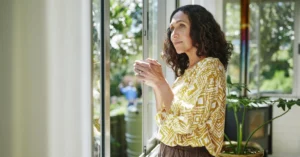
Sherri Snelling, whose work in gerontology has long bridged the gap between academic research and practical, daily caregiving, noted that the industry is shifting. "We are moving away from the medicalized look of ‘disability’ in the home," Snelling said. "Modern home modification is about biophilic design, safety, and comfort. It is about creating a ‘snug home’—a place that is as beautiful as it is functional."
The dialogue suggests that the future of housing will rely on a hybrid approach:
- Universal Design: Building new homes that are accessible to everyone, regardless of age or ability.
- Adaptive Retrofitting: Modifying existing homes through professional services like TruBlueAlly to meet the evolving needs of the current elderly population.
The Evolution of the Caregiving Club
The Caregiving Club On Air podcast has solidified its position as a primary resource for family caregivers. Recently, the podcast reached the #3 spot on Feedspot’s list of the top 80 caregiving podcasts globally. This achievement underscores the growing demand for expert-led, compassionate, and informative content in the caregiving space.
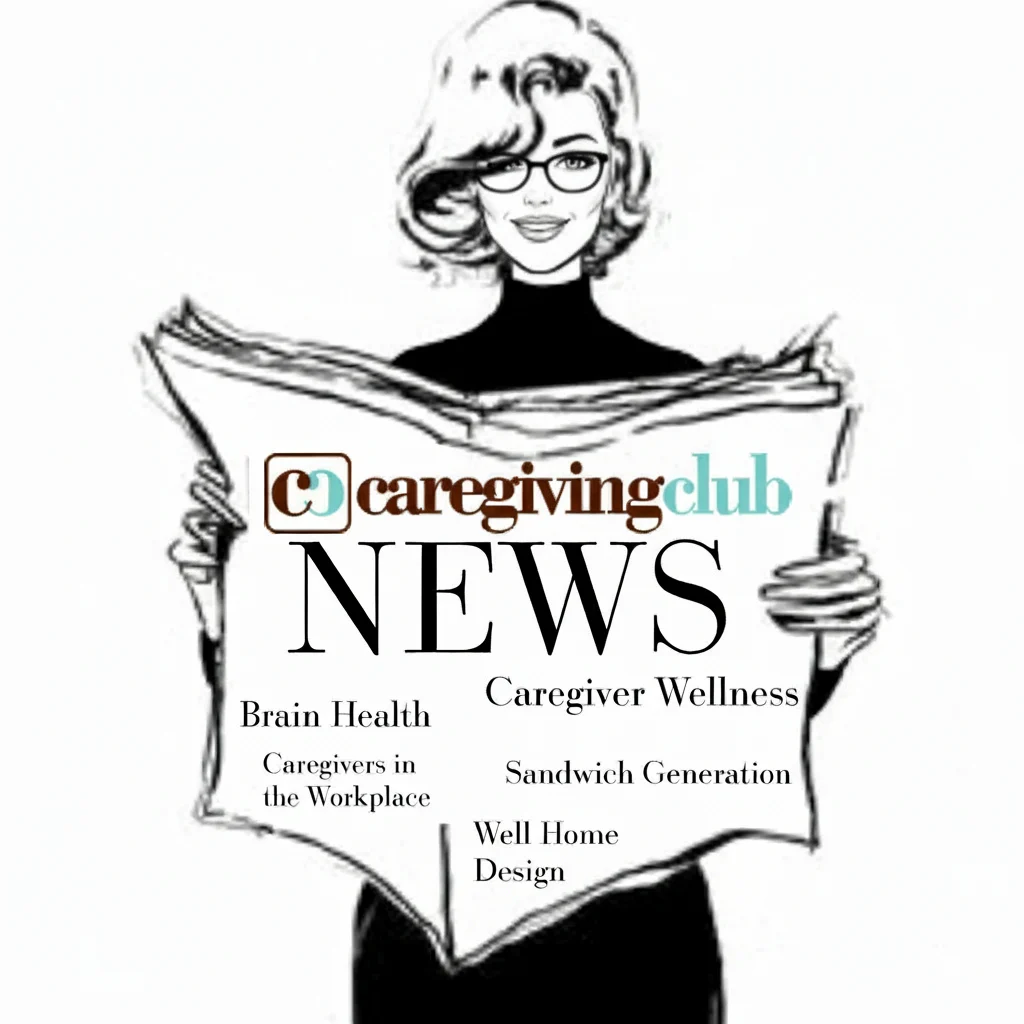
As part of their expansion into the 6th season, the Caregiving Club has launched a new "Caregiving Club News" program on YouTube. This initiative aims to consolidate news segments—previously embedded in the podcast—into a dedicated channel. The channel covers:

- Research Updates: New findings in aging, neuroscience, and home design.
- Resource Navigation: Practical guides for caregivers, including help from the Elder Care Locator (1-800-677-1116).
- Workplace Wellness: Addressing the unique challenges faced by the "Sandwich Generation"—those caring for aging parents while managing their own careers and, often, their own children.
Implications for the Future
The implications of the "Peter Pan Home Syndrome" debate are wide-reaching. For the individual, it means the difference between a life of independence and one of forced relocation to a care facility. For society, it represents a massive opportunity to lower healthcare costs and improve the quality of life for millions of seniors.
As we look toward the future, the integration of technology—such as biophilic design, which connects indoor environments to nature—is becoming a cornerstone of wellness. Snelling’s articles on the subject, such as "Biophilic Home Design Fuses Nature and Neuroscience," highlight that our homes are not just structures; they are environments that actively impact our physical and mental health.
How to Get Involved and Informed
For those looking to assess their own living situations or the homes of their loved ones, the following resources are essential:
- TruBlueAlly: A primary partner for families seeking professional, safety-focused home modifications.
- Elder Care Locator: An invaluable tool for finding local support services and government-funded assistance.
- "Self-Care in 7 Minutes": A video series designed to provide quick, actionable wellness hacks for busy caregivers.
- Me Time Monday: Sherri Snelling’s book and workshop series, which provides a comprehensive guide to navigating the emotional and logistical landscape of caregiving.
Conclusion
The message from the latest Caregiving Club On Air episode is clear: we can no longer afford to design or live in homes that ignore the reality of aging. By acknowledging the dangers of "Peter Pan Home Syndrome" and embracing proactive modifications, we can ensure that our homes remain sanctuaries of health and independence.

As Sean Fitzgerald and Sherri Snelling demonstrated, the path to a better future for our seniors begins at the front door. Whether through the simple installation of a handrail or the thoughtful application of biophilic design, every change contributes to a more age-inclusive society. For those in the thick of the caregiving journey, the message is one of empowerment: you have the resources, the knowledge, and the community to transform your home into a place that truly supports a lifetime of living.