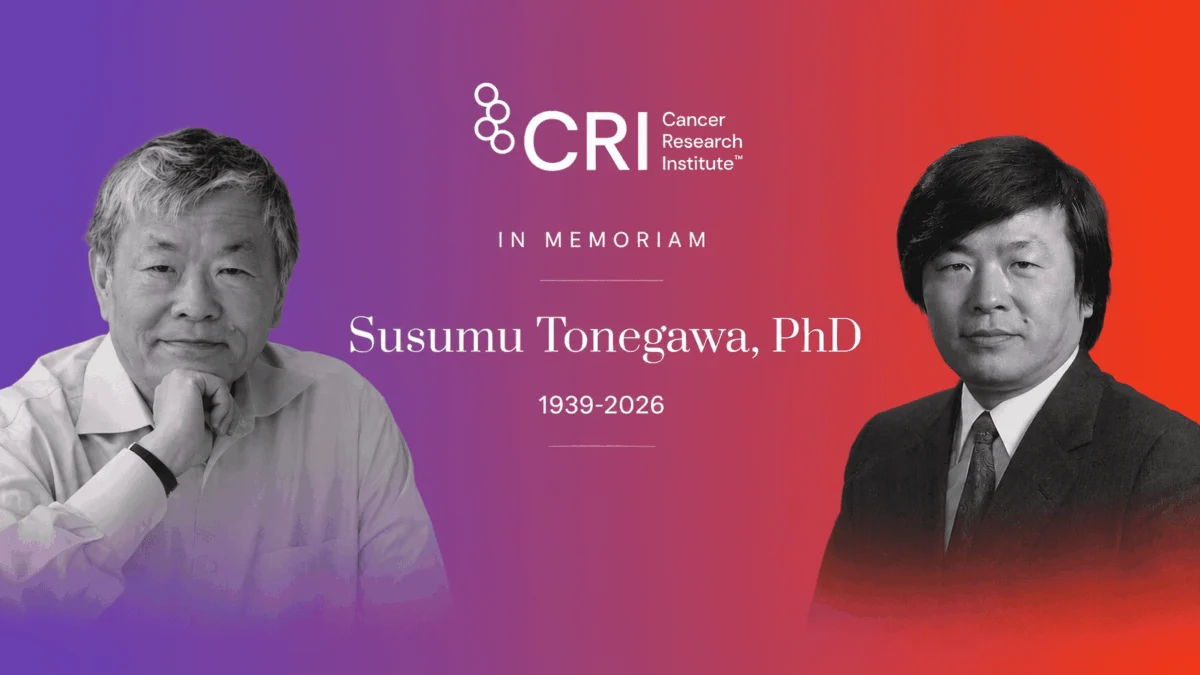
The scientific community is in mourning following the passing of Dr. Susumu Tonegawa, a towering figure in molecular biology and immunology whose intellectual curiosity fundamentally altered our understanding of human life. Dr. Tonegawa, a Nobel laureate and a long-standing luminary of the Cancer Research Institute (CRI) Scientific Advisory Council, passed away on July 11, 2026, at the age of 86. His death marks the end of an era for a generation of researchers who viewed him not only as a pioneer of genetic diversity but as a beacon of scientific rigor and creative exploration.
Dr. Tonegawa’s contributions were not merely incremental; they were seismic. By solving the long-standing mystery of how the human immune system generates a near-infinite array of antibodies from a finite set of genes, he provided the foundational blueprint for modern immunology. His legacy, however, extends far beyond the laboratory bench, influencing everything from cancer immunotherapy to the complex neurobiological mechanisms of memory and learning.
A Life of Discovery: The Chronology of a Scientific Revolutionary
Born in Nagoya, Japan, in 1939, Susumu Tonegawa’s trajectory toward greatness was defined by a restless intellect that refused to be confined by disciplinary boundaries. After earning his undergraduate degree from Kyoto University and his PhD from the University of California, San Diego, Tonegawa began a journey that would lead him through some of the most prestigious research institutions in the world.
The Breakthrough Years (1970s)
It was during his tenure at the Basel Institute for Immunology in Switzerland in the 1970s that Tonegawa achieved his most famous breakthrough. For decades, immunologists had grappled with a biological paradox: how does the immune system produce millions of unique antibodies to recognize diverse pathogens when the human genome contains only a limited number of genes?
Tonegawa provided the definitive answer. Through meticulous genetic analysis, he discovered that immune cells undergo a process of somatic recombination—a "genetic shuffle"—where segments of DNA are rearranged and spliced together. This mechanism allows for the creation of an almost limitless variety of antibody receptors. This discovery was so profound that it shattered the "one gene, one protein" dogma that had dominated biology for decades.
The Nobel Recognition (1987)
In 1987, the scientific community officially recognized the gravity of his work by awarding him the Nobel Prize in Physiology or Medicine. The Nobel committee noted that his findings did not just solve a puzzle; they provided the molecular basis for adaptive immunity.
The Pivot to Neuroscience (1990s–2026)
Following his success in immunology, most scientists would have spent the remainder of their careers refining their established theories. Tonegawa, however, chose a different path. In the 1990s, he transitioned to the Massachusetts Institute of Technology (MIT), where he turned his formidable intellect toward the mysteries of the brain. His work on the molecular basis of learning and memory—particularly the identification of "engram cells"—continued to push the boundaries of what was thought possible in cognitive science.
Solving the Biological Mystery: The Implications of Antibody Diversity
To understand the weight of Dr. Tonegawa’s contribution, one must look at the landscape of modern medicine. Before his work, the immune system was often viewed as a "black box." We knew it could fight off a cold, a virus, or a tumor, but we did not understand the genetic architecture that allowed it to adapt to threats it had never previously encountered.
Foundations of Cancer Immunotherapy
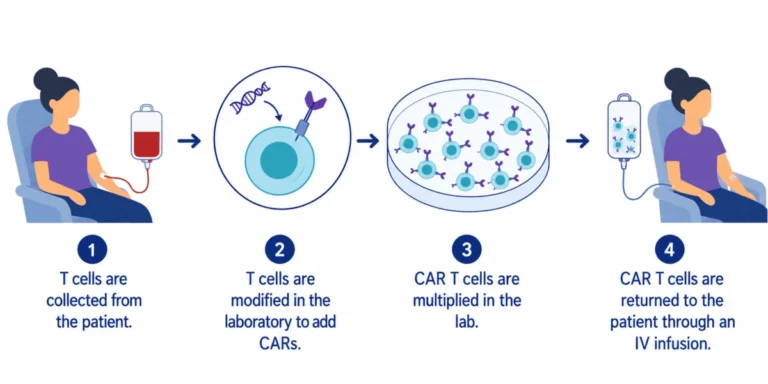
The implications of his discovery are perhaps most visible today in the field of cancer immunology. By revealing how immune cells recognize foreign targets, Tonegawa provided the conceptual framework for modern immunotherapy. Today’s most advanced cancer treatments—including CAR-T cell therapy and checkpoint inhibitors—are essentially built upon the principles of molecular recognition that Tonegawa mapped out decades ago.
When we empower the immune system to hunt down and eliminate malignant cells, we are utilizing the very machinery Tonegawa described. His research transformed the immune system from a passive observer of disease into a precision-guided tool for therapeutic intervention.
The CRI Connection: Guiding the Future of Cancer Research
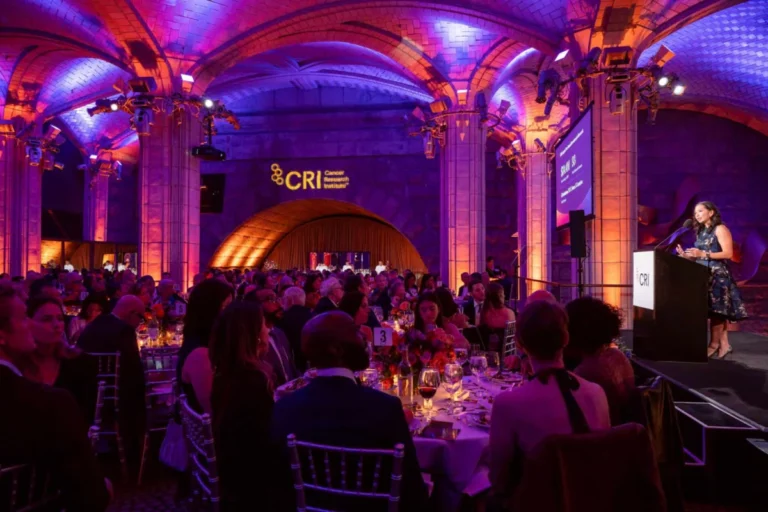
For more than 70 years, the Cancer Research Institute (CRI) has been at the forefront of the fight against cancer. For a significant portion of that time, Dr. Tonegawa served as a vital member of the CRI’s Scientific Advisory Council. His role was not merely advisory; he was a mentor and a strategist who helped steer the institute’s focus toward high-risk, high-reward research.
Dr. Tonegawa believed that the most significant breakthroughs often come from the most unexpected places. He encouraged CRI to invest in "blue-sky" research—the kind of work that challenges conventional wisdom and pushes the boundaries of human knowledge. His presence on the Council ensured that the CRI remained committed to rigorous scientific inquiry, even when the path to clinical application was unclear.
Official Responses and Reflections
The loss of Dr. Tonegawa has been met with an outpouring of grief and gratitude from the international scientific community.
"The history of cancer immunotherapy rests on a handful of discoveries that fundamentally changed how we think about the immune system," said Dr. Alicia Zhou, CEO of the Cancer Research Institute. "Dr. Tonegawa’s discovery of the genetic mechanism that creates antibody diversity is one of them. His work revealed the remarkable adaptability of the immune system and forever changed how scientists study immunity, disease, and cancer. We were honored to benefit from his wisdom as a member of our Scientific Advisory Council, and his legacy will continue to inspire generations of scientists working to improve the lives of patients."
Colleagues at MIT and beyond have remembered him as a demanding but deeply supportive mentor. He was known for his ability to strip away the noise of complex data and identify the "core" of a scientific problem—a skill he credited to his wide-ranging interests and his refusal to settle into a single intellectual niche.
Defining Creativity: The Tonegawa Philosophy
Even in the final years of his life, Dr. Tonegawa remained an educator. In a widely shared discussion regarding the nature of creativity, he outlined three principles that he believed were essential for any scientist hoping to make a meaningful impact:
- Intellectual Fearlessness: The willingness to pursue questions that others deem "impossible" or "unimportant."
- Cross-Disciplinary Synthesis: The ability to pull ideas from different fields—for instance, using the tools of molecular biology to solve the mysteries of neuroscience.
- Collaborative Openness: The recognition that the greatest breakthroughs are rarely the work of a single mind, but rather the result of a collective, rigorous, and open-minded exchange of ideas.
These principles were not just academic talking points; they were the lived experience of a man who navigated two entirely different fields—immunology and neuroscience—with unparalleled success.
A Lasting Legacy
As the world mourns the loss of Susumu Tonegawa, we are reminded of the fragility of life and the endurance of human knowledge. His discoveries did not just win him a Nobel Prize; they saved countless lives by opening the door to therapies that were once thought to be science fiction.
The impact of his life’s work can be seen in every hospital where cancer patients are receiving immunotherapy, in every lab where researchers are uncovering the secrets of human memory, and in every classroom where students are taught the elegant complexity of the immune system.
Dr. Tonegawa is survived by his family, his colleagues, and the thousands of students and researchers who were lucky enough to walk in his intellectual shadow. While he may no longer be at the bench, his influence is woven into the very fabric of modern biomedical science. His rigor, his passion, and his relentless pursuit of the truth remain a guiding light for the next generation of scientists who will pick up the torch and continue the work of unraveling the mysteries of the human condition.
In his own words, science is an endless exploration—a journey that requires both the heart of an artist and the discipline of a soldier. Dr. Tonegawa embodied both, leaving behind a legacy that will undoubtedly continue to bear fruit for decades, if not centuries, to come.