








Waking up feeling as though your joints have "rusted" overnight is a common grievance among those over 60, but it is not an inevitable symptom of aging. While it is physiologically normal for circulation to slow and muscles to tighten during the long, static hours of sleep, this morning stiffness does not have to become your new baseline.
As a certified personal trainer with 15 years of experience in human movement, I have observed a consistent pattern: the most mobile, vibrant seniors are not necessarily those who spend hours in the gym. Instead, they are the individuals who dedicate just five to ten minutes each morning to "lubricating" their joints before the day begins. By integrating simple, dynamic mobility exercises into your sunrise routine, you can reclaim your range of motion, enhance your posture, and move with the fluidity of someone decades younger.
The Science of Morning Stiffness
To understand why we feel stiff, we must look at the body’s internal environment during rest. When you sleep, your core body temperature drops, and your joints remain in fixed positions for six to eight hours. This leads to a decrease in the production of synovial fluid—the natural lubricant that cushions your joints. Simultaneously, the fascia (the connective tissue surrounding your muscles) can become slightly dehydrated and tight.
When you wake up and move, you are essentially "waking up" your nervous system and re-hydrating these tissues. While static stretching is often recommended, it is not the most effective way to start the day. Dynamic mobility—moving a joint through its full range of motion under active control—is far superior. It warms the muscle fibers, triggers the release of synovial fluid, and prepares the musculoskeletal system for the stresses of the coming day.
The Core Philosophy: Why Mobility Over Stretching?
Yoga and traditional stretching are excellent for flexibility, but "mobility" is a broader, more functional concept. Mobility is the marriage of flexibility and strength. It is your ability to actively control a limb throughout its range of motion.
When we rely solely on passive stretching, we may increase our range, but we do not necessarily increase our ability to use that range. By focusing on dynamic movements, we are training the brain and the nervous system to communicate effectively with the muscles, ensuring that your body is not just flexible, but stable and capable of supporting your weight during daily tasks like reaching for a high shelf or navigating uneven terrain.
The Five-Step Morning Mobility Protocol
Consistency is the secret ingredient. You do not need a complex routine; you need a sustainable one. These five movements target the spine, hips, shoulders, and ankles—the four pillars of human movement.
1. The Cat-Cow: Mobilizing the Vertebral Column
The spine is the central pillar of the body. If it is stiff, everything else feels restricted. The Cat-Cow movement is a gentle, rhythmic flow that facilitates flexion and extension of the spine.
- The Technique: Begin on your hands and knees in a tabletop position. As you inhale, drop your belly toward the floor, lift your chin and chest, and gaze upward (Cow). As you exhale, draw your belly button to your spine, tuck your chin, and round your back toward the ceiling (Cat).
- The Impact: This movement encourages the muscles surrounding each individual vertebra to awaken. It effectively "de-compresses" the back after hours of lying flat, which is why many clients report an immediate reduction in lower back pain after just ten repetitions.
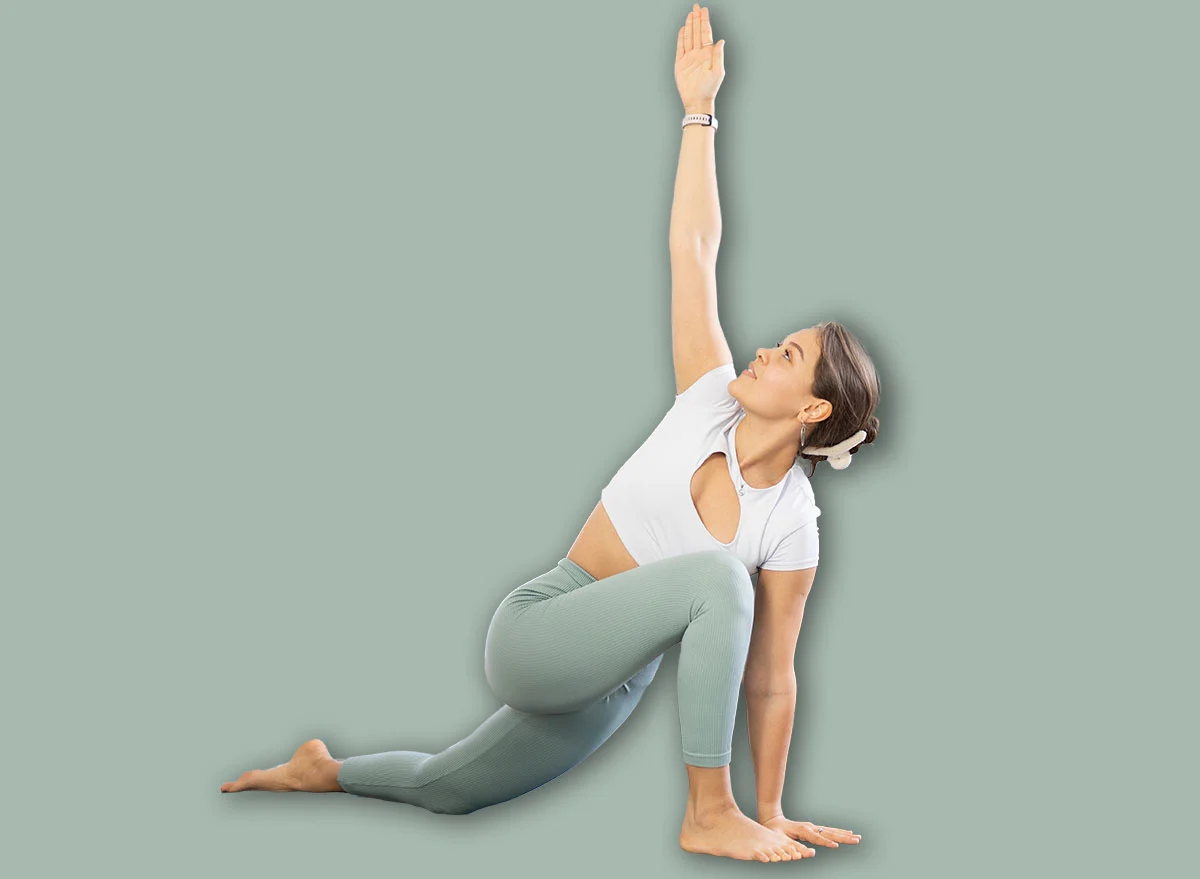
2. The "World’s Greatest Stretch": A Full-Body Integration
This movement earns its grandiose title by targeting almost every major muscle group in one fluid sequence. It is a lunge, a rotation, and a reach combined into one.
- The Technique: Step forward into a deep lunge. Place your inside hand on the floor near your front foot. Then, reach your outside arm toward the ceiling, rotating your torso as you look toward your hand. Return to the starting position and repeat on the other side.
- The Impact: This exercise addresses the "big three" of aging: hip tightness, thoracic spine (upper back) stiffness, and hamstring shortening. By opening these areas, you prepare the body for the complex movements of daily life, such as climbing stairs or lifting objects from the ground.
3. Hip Circles: Lubricating the Pelvic Girdle
The hips are the "engine" of the body. Unfortunately, modern sedentary habits cause the hip flexors to shorten and the glutes to become dormant. Hip circles help restore the natural rotation of the ball-and-socket joint.
- The Technique: Stand tall, holding onto a sturdy chair for balance. Lift one knee and guide it through a large, slow circle in the air. Perform the rotation in both directions.
- The Impact: By moving the hip through multiple planes, you activate the stabilizers that prevent falls. Better hip mobility also offloads stress from the knees and lower back, as these joints are often forced to compensate when the hips are tight.
4. Standing Arm Circles with Thoracic Rotation
Posture is often the first thing to suffer as we age, characterized by a rounded upper back and forward-slumping shoulders. This exercise reverses that "hunch" by opening the chest and mobilizing the upper spine.
- The Technique: Stand with feet shoulder-width apart. Extend your arms to the sides at shoulder height. Make small, controlled circles while simultaneously rotating your upper torso from left to right.
- The Impact: This targets the thoracic spine, which is crucial for breathing, overhead reaching, and maintaining an upright posture. It is a vital movement for those who spend significant time reading or using computers, as it counters the natural forward-leaning tendency of the body.
5. Standing Ankle Rocks: Building a Foundation
We often ignore the ankles until we experience a stumble or a fall. Ankle mobility is directly linked to your ability to maintain balance and walk with a steady gait.
- The Technique: Stand facing a wall, placing your hands on it for support. Step one foot slightly forward. Keep your heel on the ground and gently push your knee forward over your toes, feeling a stretch in the back of the calf. Rock back and forth.
- The Impact: Proper ankle dorsiflexion (the ability to pull your toes toward your shin) is essential for a natural walking stride. When ankles are stiff, we tend to drag our feet or alter our gait, which increases the risk of tripping. Improving this range of motion leads to a more confident, lighter step.
Implications for Long-Term Health
The implications of adopting a mobility routine are profound. Research consistently shows that functional fitness—the ability to perform activities of daily living—is the strongest predictor of longevity and quality of life in adults over 60.
By practicing these movements, you are doing more than just "loosening up." You are:
- Reducing Fall Risk: Better balance and ankle mobility mean a significantly lower risk of injury.
- Managing Chronic Pain: Many forms of persistent back and joint pain are actually symptoms of restricted movement patterns. When you restore range, you often eliminate the pain.
- Enhancing Metabolic Health: Even light, dynamic movement helps regulate blood glucose levels and improves circulation, providing a natural energy boost that caffeine cannot replicate.
Conclusion: Starting Your Journey
You do not need to be an athlete to enjoy the benefits of mobility. These exercises are accessible, low-impact, and can be done in the comfort of your living room while the coffee is brewing.
Start slow. Focus on the quality of the movement rather than the quantity of repetitions. If a movement feels uncomfortable, modify the range of motion. Listen to your body, stay consistent, and remember that your potential for movement does not have an expiration date. With just five minutes each morning, you can trade that stiffness for a sense of freedom, allowing you to move through your day with the confidence and ease you deserve.
Disclaimer: Always consult with a physician or healthcare provider before beginning any new exercise program, especially if you have existing health conditions or injuries.