











In an era where convenience often dictates our dietary choices, a burgeoning body of scientific inquiry is sounding a profound alarm regarding the long-term impacts of modern eating habits. A landmark study, conducted by an international consortium of researchers from Monash University, the University of São Paulo, and Deakin University, has revealed that the consumption of ultra-processed foods (UPFs) may be silently eroding our cognitive capabilities. The findings, published in the prestigious journal Alzheimer’s & Dementia: Diagnosis, Assessment & Disease Monitoring, suggest that even minor increases in the intake of these industrially manufactured products are linked to significant declines in attention span and mental processing speed—factors that are critical precursors to broader neurological decline and dementia.
The Scope of the Study: Examining the Modern Diet
The research team, led by Dr. Barbara Cardoso, turned their attention to the "Healthy Brain Project," an extensive cohort study that tracked the dietary habits and cognitive performance of more than 2,100 middle-aged and older Australian adults. Crucially, none of the participants presented with a dementia diagnosis at the onset of the study, providing researchers with a clear window into the progressive impact of diet on brain function.
The data revealed a sobering reality: participants were deriving approximately 41 percent of their total daily caloric intake from ultra-processed sources. This figure mirrors the Australian national average of 42 percent, highlighting just how deeply embedded these products have become in the average Western diet.
Ultra-processed foods are defined not merely by their ingredients, but by the level of industrial intervention they undergo. This category encompasses a vast array of common supermarket staples: carbonated soft drinks, mass-produced packaged snacks, reconstituted meat products, and ready-made frozen meals. Unlike whole foods or minimally processed items, these products are designed for shelf-stability, palatability, and convenience, often stripped of their natural fiber and nutrient structures during manufacturing.
Chronology of the Findings: A Clear Correlation
The study followed a rigorous methodological framework to isolate the specific impact of UPFs on the brain. By adjusting for various demographic and lifestyle variables, the researchers were able to quantify the relationship between diet and cognitive output.
The results demonstrated a direct, dose-dependent relationship between UPF consumption and cognitive decline. For every 10 percent increase in the proportion of ultra-processed foods in a participant’s diet, there was a corresponding and measurable drop in their cognitive test scores. To put this into relatable terms, Dr. Cardoso noted that a 10 percent increase is roughly equivalent to adding a standard, single-serving packet of potato chips to one’s daily diet.
The primary cognitive domain affected was "attention"—the foundation upon which higher-order mental tasks, such as problem-solving, learning, and executive functioning, are built. The study participants who consumed higher quantities of UPFs consistently scored lower on standardized clinical tests measuring visual attention and processing speed. The emergence of these findings suggests that the brain’s ability to remain sharp and focused is particularly sensitive to the chemical and structural modifications inherent in highly processed food products.
The Paradox of the "Healthy Diet"
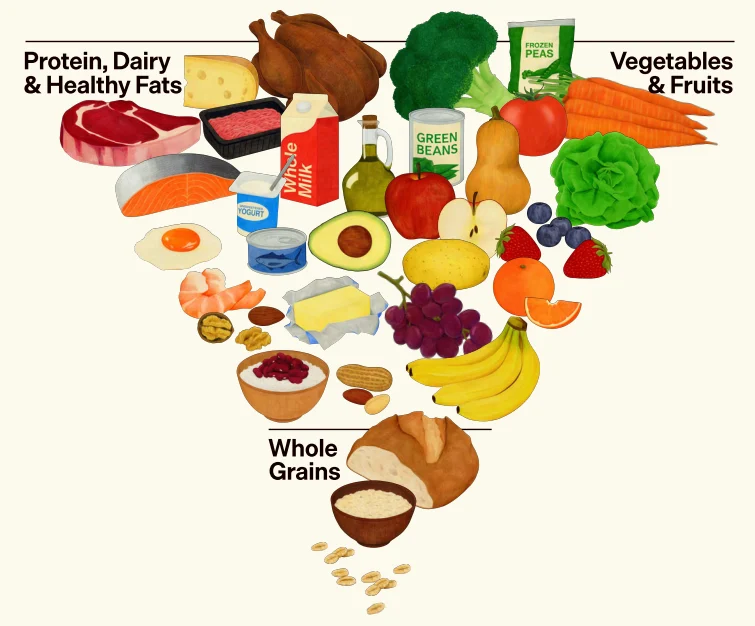
Perhaps the most striking—and alarming—finding of the research is that these cognitive deficits appeared regardless of the quality of the rest of the participant’s diet. Even individuals who maintained a high-quality, Mediterranean-style diet—typically rich in vegetables, fruits, healthy fats, and lean proteins—did not escape the negative consequences if their diet was also punctuated by frequent consumption of ultra-processed goods.
This discovery challenges the long-held assumption that "compensating" for unhealthy snacks with a healthy dinner is an effective strategy for long-term health. The researchers posit that the issue is not simply the presence of "bad" nutrients (like sugar or trans fats) or the absence of "good" ones (like antioxidants or fiber), but rather the inherent nature of the processing itself.
The Mechanism of Damage: Why Processing Matters
Dr. Cardoso and her colleagues suggest that the industrial processes used to create UPFs essentially destroy the structural integrity of food. When whole foods are pulverized, chemically modified, and reconstituted, their interaction with the human gut-brain axis is fundamentally altered.
Furthermore, the introduction of synthetic additives, emulsifiers, and preservatives—substances not typically found in a home kitchen—may pose a direct threat to neurological health. These chemicals can trigger systemic inflammation, disrupt gut microbiota, and potentially impair vascular health, all of which are known contributors to cognitive decline. As Dr. Cardoso remarked, "These additives suggest the link between diet and cognitive function extends beyond just missing out on foods known as healthy, pointing to mechanisms linked to the degree of food processing itself."
Implications for Dementia and Public Health
While the study did not definitively prove a causal link between UPF consumption and the development of clinical dementia, the researchers emphasize that the decline in attention is an ominous early warning sign. Attention is a "gateway" cognitive function; when it begins to fray, the brain’s ability to process information efficiently and manage daily life becomes compromised.
Beyond cognitive impairment, the study found that high UPF intake was strongly correlated with established risk factors for dementia, most notably obesity and hypertension. These conditions are well-documented precursors to vascular dementia and other neurodegenerative states. By elevating the risk of these physical health markers, the modern ultra-processed diet creates a "double-jeopardy" scenario for the aging brain: a direct impact on neural processing and an indirect impact via the deterioration of cardiovascular health.
Official Responses and Collaborative Research
The research project was a massive collaborative effort, involving some of the most respected names in nutritional and cognitive research. The study’s success was made possible through the support of major institutional bodies, including the National Health and Medical Research Council (NHMRC) of Australia, the Alzheimer’s Association, and the Dementia Australia Research Foundation.
The depth of the research team—which included Dr. Lisa Bransby, Hannah Cummins, Professor Yen Ying Lim, and Xinyi Yuan from Monash University; Dr. Euridice Martinez Steele from the University of São Paulo; and Dr. Barbara Brayner and Dr. Priscila Machado from Deakin University—lends significant weight to these findings. The diversity of the research team allowed for a comprehensive analysis that bridges the gap between nutritional science and clinical neurology.
Funding for this critical work was provided by several organizations, including the Bethlehem Griffiths Research Foundation, the Yulgilbar Alzheimer’s Research Program, and the National Heart Foundation of Australia, among others. The financial backing reflects the growing urgency among the global scientific community to understand the dietary drivers of the rising dementia epidemic.
Moving Forward: Reevaluating Our Relationship with Food
The implications of this study are profound for public health policy and individual lifestyle choices. If the level of processing is as damaging as these findings suggest, then simple nutritional advice—such as "eat more fiber" or "reduce sugar"—may be insufficient. Instead, public health guidelines may need to shift toward a more aggressive stance against the "ultra-processed" label itself.
For the individual, the message is clear: the convenience of modern food comes with a cognitive tax. Reducing reliance on packaged, shelf-stable, and chemically-enhanced foods is no longer just a recommendation for maintaining a healthy weight; it is a critical strategy for protecting the brain’s integrity.
As we continue to navigate a food environment saturated with ultra-processed products, the research from Monash and its partners serves as a vital wake-up call. Protecting our attention and our cognitive vitality in the coming decades may depend less on complex medical interventions and more on a fundamental return to the basics of nutrition: choosing foods that are as close to their natural, whole state as possible. The brain, it seems, thrives on the integrity of the food we consume, and the process of "modernization" may be precisely what our neural networks can no longer afford.