











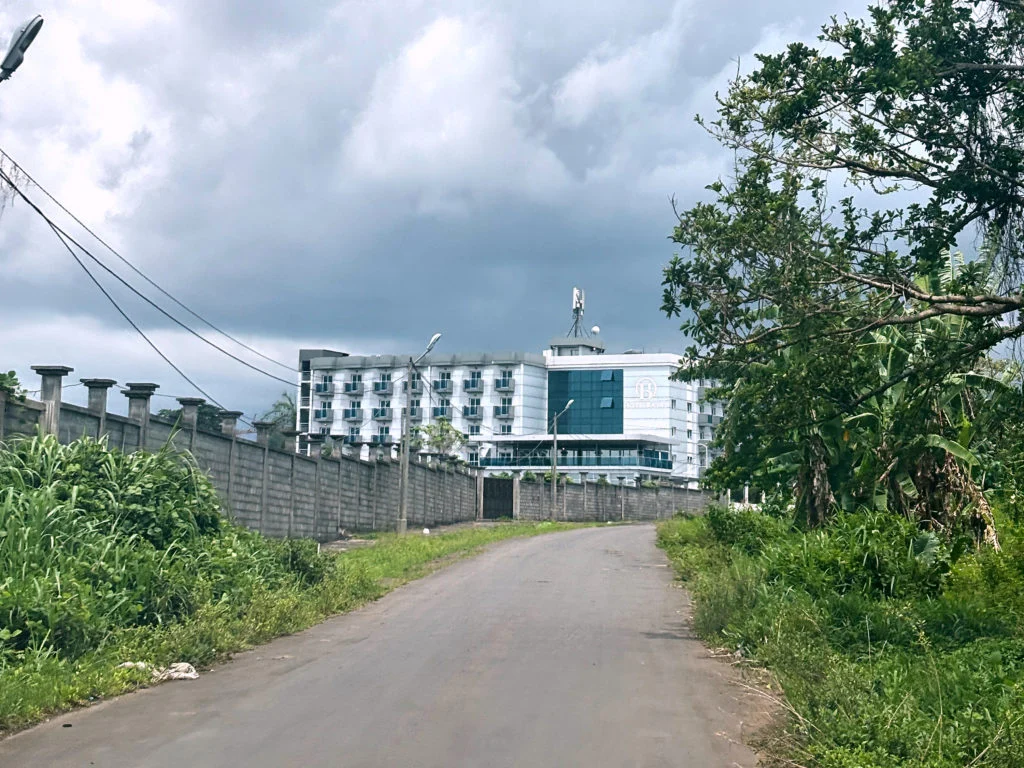
MALABO, Equatorial Guinea — Seventeen migrants, currently held in an opaque, high-security detention facility on the tropical island of Bioko, find themselves at the center of a mounting humanitarian crisis. Having been deported from the United States under a series of controversial third-country agreements, these individuals are now alleging that they are being held in the same complex where local authorities are quarantining patients suspected of carrying the Ebola virus.
The detention center, a hotel owned by the family of President Teodoro Obiang Nguema Mbasogo, has become a focal point for international rights groups who argue that the U.S. government’s "third-country" deportation policy is bypassing judicial safeguards and placing vulnerable asylum seekers in life-threatening conditions.
The Core Allegation: A Public Health Hazard
According to a coalition of international human rights lawyers and testimonies from the detainees themselves, the situation inside the facility has deteriorated rapidly. Two deportees, speaking on the condition of anonymity due to fears of retaliation from the Equatoguinean government, described a harrowing scene in which medical personnel clad in full hazmat suits transported individuals exhibiting symptoms of Ebola into the building.
"Things are getting worse every day," one detainee said. "It is very confusing. No one is coming to talk to us. No one is informing us of anything. The hygiene is unimaginable."
The detainees report that the suspected Ebola patients were placed on a floor directly below where the migrants are being held. While no official confirmation has been provided by the government of Equatorial Guinea, the detainees were reportedly warned by a doctor at the facility to "be careful" because the incoming patients were suspected of having the lethal virus.
This revelation is particularly alarming given the current epidemiological landscape in Africa. While the Democratic Republic of Congo (DRC) is currently battling a significant Ebola outbreak—which has claimed over 600 lives—Equatorial Guinea has not reported any cases. However, the movement of individuals suspected of carrying a high-consequence pathogen into a confined space with non-immune, vulnerable populations represents a profound breach of international health protocols.
Chronology of a Controversial Policy
The detention of these 17 individuals—comprising 13 men and 4 women from nations including Angola, Mauritania, and Ethiopia—is a direct, if unintended, consequence of a broader U.S. immigration crackdown.
- The Origin: Under the Trump administration, the U.S. expanded the use of "third-country" deportation deals. These agreements allowed the U.S. to transport asylum seekers to nations that were not their home countries, effectively using these countries as holding pens to deter illegal immigration.
- The Financial Arrangement: Reports suggest a $7.5 million financial package facilitated the deal between Washington and Malabo. The resulting infrastructure relies on a hotel property owned by the Obiang family, effectively turning a commercial enterprise into a government-run detention center.
- The Legal Conflict: Advocates argue that all 17 of these individuals arrived in Equatorial Guinea despite having active court orders in the United States that should have protected them from deportation. Lawyers argue that these transfers function as a "legal loophole" to bypass the U.S. asylum system.
- The Recent Escalation: Over the past month, the situation has worsened. In addition to the alleged Ebola quarantine, lawyers have filed a lawsuit against Equatorial Guinea before the African Commission on Human and Peoples’ Rights, citing the unlawful detention and the failure to provide adequate medical care.
Supporting Data and Context
The facility in Malabo is no stranger to serving as an isolation point; it was previously utilized as a quarantine center during the height of the COVID-19 pandemic. However, the current conditions described by detainees and corroborated by legal counsel paint a picture of severe neglect.
Lack of Protective Measures
Despite being housed in a facility that is reportedly managing potential cases of Ebola—a virus transmitted through direct contact with bodily fluids—the migrants have been provided with no personal protective equipment. They report:
- Absence of Supplies: No masks, sanitizers, or disinfectants have been provided to the detainees.
- Lack of Communication: There is no transparency regarding why the quarantine measures were initiated or what the specific risks are to those on the upper floors.
- Inadequate Healthcare: Beyond the Ebola threat, lawyers note that several detainees suffer from chronic medical conditions that are not being managed, violating international standards for the treatment of detainees.
Geopolitical Realities
Equatorial Guinea is a paradox. It is one of the wealthiest nations in Africa, fueled by immense oil reserves, yet it remains one of the most closed societies on the continent. The U.S. State Department has frequently highlighted the country’s record of torture, extrajudicial killings, and the total suppression of political dissent.
The irony of the U.S. government—which provides military training and maintains significant business interests in the country—using it as a partner for immigration enforcement has drawn sharp criticism from global humanitarian organizations.
Official Responses and Stances
As of Thursday, the silence from both the U.S. Department of Homeland Security and the Equatoguinean government has been deafening.
The coalition of lawyers representing the migrants issued a formal statement: "We have received disturbing reports from multiple detained individuals that a person with a suspected case of Ebola was recently brought under quarantine into the same hotel complex where they are being held."
The legal team is currently pressuring international health bodies, including the World Health Organization (WHO), to investigate the conditions in Malabo. They argue that the United States, by outsourcing its detention operations, cannot absolve itself of the responsibility for the health and safety of those it has deported.
Implications of the "Third-Country" Strategy
The situation in Equatorial Guinea raises critical questions about the ethics of modern migration policy. If the United States can delegate the custody of asylum seekers to nations with poor human rights records, it sets a dangerous precedent for the global treatment of displaced persons.
1. The Erosion of Asylum Rights
By transferring individuals to countries where they have no ties and where their legal status is not recognized, the U.S. effectively ends the possibility of a fair asylum hearing. For these 17 individuals, the "third-country" deal is a trap that prevents them from exercising their right to seek protection, regardless of the merits of their claims.
2. The Public Health Risk
The introduction of potentially infectious individuals into a facility used for non-medical detention suggests a dangerous lack of oversight. Ebola, which has a high mortality rate and requires rigorous isolation procedures, poses a severe risk to anyone in the vicinity. If the facility is not equipped to handle a biological threat, the potential for a localized outbreak is significant.
3. Accountability and Oversight
The use of private facilities owned by the ruling family of a foreign power complicates oversight. With no access for independent journalists or neutral NGOs, the detainees are essentially invisible. The international community is left to rely on leaked videos and anonymous testimonies to piece together a situation that is fundamentally a violation of human dignity.
Conclusion
As the world watches the unfolding situation in Malabo, the plight of these 17 migrants serves as a stark warning. When migration policy is stripped of legal transparency and humanitarian safeguards, it becomes a tool of state power that can jeopardize lives.
Whether the U.S. will intervene to ensure the safety of the individuals it deported, or whether the Equatoguinean government will grant transparency into the health situation at the hotel, remains to be seen. For now, the detainees remain trapped in a cycle of fear—caught between the politics of a foreign nation and the uncertainty of their own survival.