











In the modern era of convenience, the grocery store aisle is dominated by products designed for longevity. From shelf-stable breads to pre-packaged snacks, the ability to keep food fresh for weeks, or even months, has become a cornerstone of the global food supply chain. However, a groundbreaking new study published in the European Heart Journal suggests that the very chemicals responsible for this convenience may be exacting a significant toll on human health.
The research, led by Dr. Mathilde Touvier and PhD candidate Anaïs Hasenbohler of the Nutritional Epidemiology Research Team at Université Sorbonne Paris Nord and Université Paris Cité, provides some of the most compelling evidence to date that common food preservatives are significantly linked to an increased risk of hypertension and cardiovascular disease. As the prevalence of ultra-processed foods continues to climb globally, these findings have ignited a crucial conversation regarding food safety regulations and the necessity of transparency in the ingredients we consume daily.
The Scope of the Investigation: A Massive Population Study
The investigation was conducted as a pivotal component of the long-running NutriNet-Santé study, a massive, ongoing web-based project that tracks the dietary habits and health outcomes of volunteers. To understand the potential impacts of preservatives on the human cardiovascular system, the team analyzed data from 112,395 French adults.
The methodology was rigorous: participants were required to report every item they consumed—both food and beverage—over repeated three-day periods every six months. This self-reported data was then cross-referenced with detailed nutritional databases, allowing researchers to calculate precise intake levels of specific preservative additives. By monitoring the participants’ health outcomes over an average period of seven to eight years, the researchers were able to establish a longitudinal connection between dietary habits and the development of high blood pressure (hypertension) and cardiovascular events, including heart attacks, strokes, and angina.
The ubiquity of these additives was perhaps the most striking initial finding. The study revealed that a staggering 99.5% of participants had consumed at least one food preservative within the first two years of the observation period, underscoring just how deeply ingrained these synthetic chemicals are in the contemporary diet.
Decoding the Additives: Non-Antioxidants vs. Antioxidants
To understand the health implications, it is necessary to distinguish between the two primary categories of preservatives examined in the study.
Non-antioxidant preservatives are primarily utilized for their antimicrobial properties. They inhibit the growth of mold, bacteria, and yeast, effectively preventing food spoilage and extending shelf life in products like bread, cheese, and processed meats. In contrast, antioxidant preservatives are designed to prevent the oxidation of fats and other components, which stops food from turning brown or developing a rancid taste.
The results of the study were stark:
- Non-Antioxidant Risks: Participants who consumed the highest quantities of non-antioxidant preservatives faced a 29% greater risk of developing hypertension compared to those with the lowest intake. Furthermore, this high-intake group saw a 16% increase in the risk of cardiovascular disease.
- Antioxidant Risks: High intake of antioxidant preservatives was also found to be hazardous, correlating with a 22% higher risk of hypertension.
When researchers drilled down into 17 of the most commonly used individual preservatives, they identified eight specific compounds that showed a statistically significant association with an increased risk of high blood pressure. Among these, ascorbic acid (commonly known as E300) was specifically flagged for its connection to broader cardiovascular disease risks.
Scientific Mechanisms: Why Do These Additives Harm the Heart?
While the study is observational, the biological plausibility for these findings is supported by a growing body of experimental research. Scientists suspect that these additives may impact human health through several complex pathways.
One primary theory centers on oxidative stress. When preservatives enter the body, they may disrupt the delicate balance of reactive oxygen species, potentially leading to systemic inflammation. Chronic inflammation is a well-documented precursor to arterial stiffening and hypertension. Additionally, there is emerging evidence that some food additives may interfere with the endocrine system, particularly the way the pancreas functions, which plays a vital role in regulating metabolic health and blood pressure.
Dr. Touvier notes that while the study has limitations—as is inherent in large-scale observational research—the data was meticulously adjusted for confounding factors, such as socioeconomic status, smoking, physical activity, and total energy intake. The consistency of the findings across such a large, diverse cohort suggests that the link between these additives and heart health is not merely a statistical anomaly but a genuine public health concern.
Regulatory Implications and the Call for Reform
The findings have placed significant pressure on international food safety authorities, including the European Food Safety Authority (EFSA) and the U.S. Food and Drug Administration (FDA). For decades, these agencies have evaluated additives based on their individual safety profiles, primarily focusing on immediate toxicity. However, this study argues for a paradigm shift: a more holistic evaluation that considers the long-term, cumulative impact of consuming multiple preservatives over a lifetime.
"These results suggest we need a re-evaluation of the risks and benefits of these food additives by the authorities in charge for better consumer protection," Dr. Touvier remarked.
Critics of the current regulatory framework argue that "generally recognized as safe" (GRAS) status in the United States and similar approvals in Europe do not account for the "cocktail effect"—the idea that consuming multiple chemicals simultaneously may produce biological effects that are not present when each chemical is tested in isolation.
Practical Guidance for Consumers: Moving Toward Whole Foods
While waiting for policy shifts, healthcare professionals are increasingly recommending a precautionary approach. The consensus among nutritionists and researchers is clear: the most effective way to minimize exposure to synthetic preservatives is to move away from ultra-processed options.
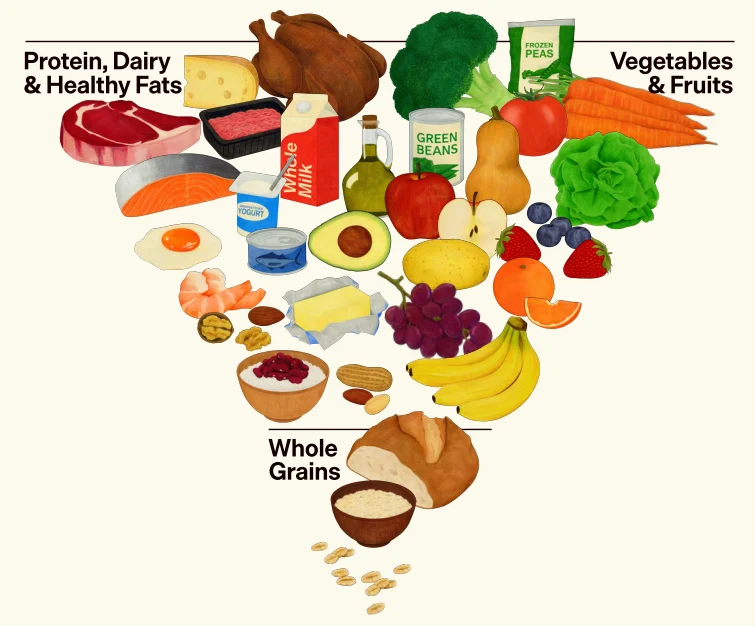
- Prioritize Freshness: Focus on "whole" foods, such as fresh fruits, vegetables, legumes, and unprocessed meats. These items typically require few, if any, preservatives.
- Read the Labels: While some additives are necessary for safety, consumers should look for products with short, recognizable ingredient lists. If an item contains a long list of chemicals you cannot pronounce, it is likely an ultra-processed product.
- The "Three-Ingredient" Rule: Whenever possible, choose foods that have three or fewer ingredients, or those where the ingredients listed are recognizable pantry staples.
- Advocate for Transparency: Increased public demand for "clean label" products is a powerful driver for industry change. When consumers vote with their wallets, manufacturers often respond by reformulating their products to remove unnecessary synthetic additives.
The Road Ahead: Future Research
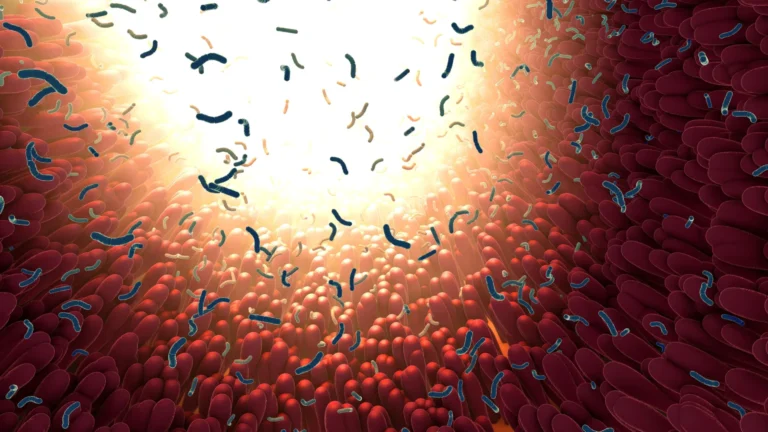
The team behind this study is not stopping here. The impact of food additives on the human body is an expansive field, and the researchers are currently moving forward with investigations into how these compounds influence the gut microbiota, inflammation markers, and blood metabolism.
By mapping the biological mechanisms that connect artificial additives to disease, the team hopes to provide the definitive evidence needed to update food safety guidelines. For the general public, the message is one of awareness rather than alarm. By understanding that "shelf-stable" often comes at a biological cost, individuals can make more informed choices that support long-term heart health.
As the scientific community continues to scrutinize the chemicals in our pantries, the study serves as a potent reminder that our cardiovascular health is intimately tied to the quality of the food we choose to eat. In the quest for a healthier heart, the simplest solution may indeed be the best: return to the basics, minimize the processed, and prioritize the natural.