








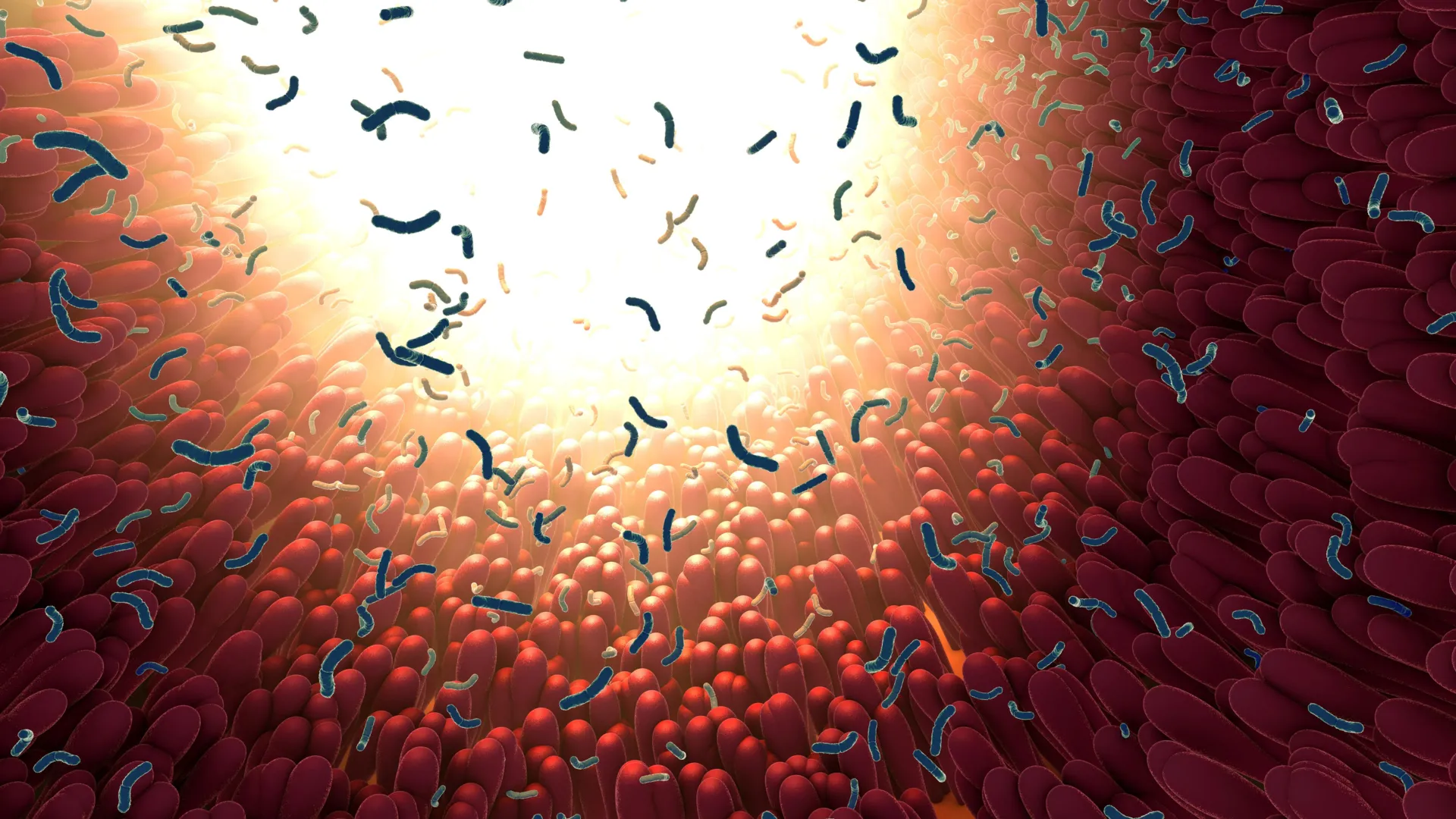
For decades, the food industry has championed low-calorie and artificial sweeteners as the "holy grail" of dietary management. Marketed as biologically inert substances that provide the sweetness of sugar without the metabolic baggage, they have become ubiquitous in the modern diet—found in everything from morning coffee additives and diet sodas to children’s cereals and essential medications. However, a groundbreaking study from the University of Cambridge’s Medical Research Council (MRC) Toxicology Unit suggests that these additives may be far more than passive ingredients.
According to new research published in Molecular Systems Biology, many commonly used sweeteners are not metabolically neutral. Instead, they appear to directly interfere with the growth of gut bacteria—the vital ecosystem of microorganisms that regulate everything from immune function to blood sugar levels. Even more concerning, the study suggests that the impact of these sweeteners is not fixed; it is frequently amplified or altered by the presence of other common substances, including medications and food flavorings.
The Microbiome: A Silent Engine of Human Health
To understand the gravity of these findings, one must first recognize the role of the gut microbiome. This complex community of trillions of bacteria, fungi, and viruses acts as a secondary organ, performing tasks that the human body cannot accomplish on its own. These microbes synthesize vitamins, break down complex carbohydrates, reinforce the intestinal barrier, and train the immune system to distinguish between beneficial nutrients and harmful pathogens.
For years, the scientific community has grappled with the "sweetener paradox." While clinical trials often show that replacing sugar with sweeteners reduces caloric intake, population-level observational studies have consistently linked long-term sweetener consumption to an increased risk of obesity, metabolic syndrome, and type 2 diabetes. While correlation does not equal causation, the Cambridge team hypothesized that the gut microbiome might be the missing link in this mystery.
Chronology of the Discovery: From Theory to Laboratory
The research, led by Dr. Sonja Blasche and Professor Kiran Patil, began with a fundamental question: Do sweeteners interact directly with our gut bacteria, or are their effects merely secondary to the host’s diet?
Phase 1: Screening the Sweeteners
The team curated a diverse library of 39 commercially available sweeteners, including both natural extracts and synthetic compounds. They exposed 25 distinct species of gut bacteria—representing beneficial, neutral, and potentially harmful microbes—to these sweeteners in a controlled laboratory setting. The results were immediate and startling: approximately 75% of the tested sweeteners inhibited the growth of at least one bacterial species.
Phase 2: The Complexity of "Co-Consumption"
Recognizing that humans rarely consume sweeteners in isolation, the researchers introduced a new layer of complexity. They began pairing the sweeteners with common additives and medications, including caffeine, vanillin (vanilla extract), and various prescription drugs. This phase revealed over 100 instances where the presence of a second compound fundamentally changed the sweetener’s impact on the bacteria. In 34 cases, the combination proved more toxic to the bacteria than the sweetener alone.
Phase 3: The Duloxetine-Isosteviol Interaction
The most alarming discovery involved the interaction between the sweetener isosteviol and the antidepressant duloxetine. When combined, these substances acted in synergy to severely suppress Roseburia intestinalis and Parabacteroides merdae—two bacterial species widely regarded as keystones for digestive health and glucose metabolism.
Phase 4: Simulating the Ecosystem
Finally, the researchers created a "synthetic community" of all 25 bacterial species to mimic the crowded, competitive environment of the human gut. When exposed to the duloxetine-isosteviol combination, this microbial community suffered a marked loss in diversity—a hallmark of an unhealthy gut—and shifted its metabolic output, potentially increasing toxicity to host cells and impairing immune signaling.
Supporting Data: Why Context Matters
The data generated by the MRC Toxicology Unit suggests that the impact of a dietary additive is context-dependent. The study documented 68 instances where a second compound actually weakened the effect of a sweetener, and 34 instances where it intensified the effect.
This variability explains why previous research into sweeteners has been so inconsistent. If one study participant consumes an artificial sweetener alongside a specific medication or diet, their microbiome might react differently than a participant who consumes the same sweetener in isolation.
The significance of the duloxetine finding cannot be overstated. With over 4.2 million prescriptions written for the drug in the United States in 2023 alone, millions of people may be inadvertently altering their gut environment through the common pairing of their medication with sweeteners found in drinks or supplements.
Official Responses and Expert Perspective
The research team is careful to frame these findings as a "call to action" for further research rather than a definitive condemnation of sweeteners.
"Most of what we know about the potential impact of sweeteners on our health comes from animal research or from population studies," explained Professor Kiran Patil. "While these studies have indicated the involvement of the microbiome in mediating the effect of sweeteners, it has historically been difficult to pinpoint how sweeteners act in the body. Is it through direct interactions with our gut bacteria? Our study suggests the answer is a definitive yes."
Dr. Sonja Blasche added a cautionary note regarding the marketing of these products: "Sweeteners are often marketed as metabolically neutral, but our study challenges this idea. We found that they can directly affect gut bacteria, particularly when mixed with other compounds. These common combinations could have unintended effects on our gut microbiome."
Implications for Public Health and Future Policy
The implications of this research are far-reaching, spanning from pharmaceutical development to food safety regulations.
1. Rethinking Dietary Guidelines
Current safety assessments for food additives often treat substances as isolated variables. This study suggests that regulatory bodies may need to consider "cocktail effects"—how additives interact with common pharmaceuticals—when evaluating the safety profile of sweeteners.
2. Personalized Medicine
The findings suggest that the gut microbiome’s response to diet is highly individualized. As researchers learn more about how specific drug-sweetener combinations impact microbial diversity, it may eventually be possible to provide personalized dietary guidance for patients on chronic medication, helping them avoid specific additives that could undermine their treatment or health.
3. The Need for Human Trials
The researchers emphasize that laboratory models, while useful for identifying mechanisms, cannot perfectly replicate the human digestive tract. In the human body, processes like absorption, chemical degradation in the stomach, and dilution play a massive role in how much of a substance reaches the gut bacteria. Therefore, the next crucial step is to move from the petri dish to human clinical trials to see if these microbial changes manifest as measurable health outcomes.
4. A Shift in Nutritional Science
For decades, nutritional science has focused on the macro-level: calories, fats, and proteins. This study represents a paradigm shift toward the micro-level, acknowledging that the health of the host is inextricably linked to the health of the trillions of tiny tenants that inhabit the digestive tract.
Conclusion
The study from the University of Cambridge serves as a sobering reminder that our modern food environment is a massive, ongoing chemical experiment. By treating sweeteners as "inactive" fillers, we may have been overlooking a subtle, systemic influence on the very organisms that keep us healthy.
While we should not necessarily abandon sweeteners based on this preliminary laboratory work, the findings demand a more nuanced approach to how we consume and regulate them. As we look toward the future, the integration of microbiome data into medical and nutritional science will be essential. We are only just beginning to understand the intricate chemical conversations happening inside our digestive systems—and it is clear that what we feed our bacteria matters just as much as what we feed ourselves.
The research described was supported by the European Union’s Horizon 2020 program and the UK Medical Research Council.