









2 July, 2026
As the global medical community prepares for the inaugural European Respiratory Society (ERS) Cough Conference, scheduled for 15–17 July in London and via a global digital stream, a significant shift in the medical paradigm is taking place. For the first time in the society’s history, the event is placing "lived experience" at the absolute center of its scientific and clinical discourse. This move is not merely symbolic; it represents a fundamental change in how respiratory conditions—specifically chronic cough—are diagnosed, managed, and researched.
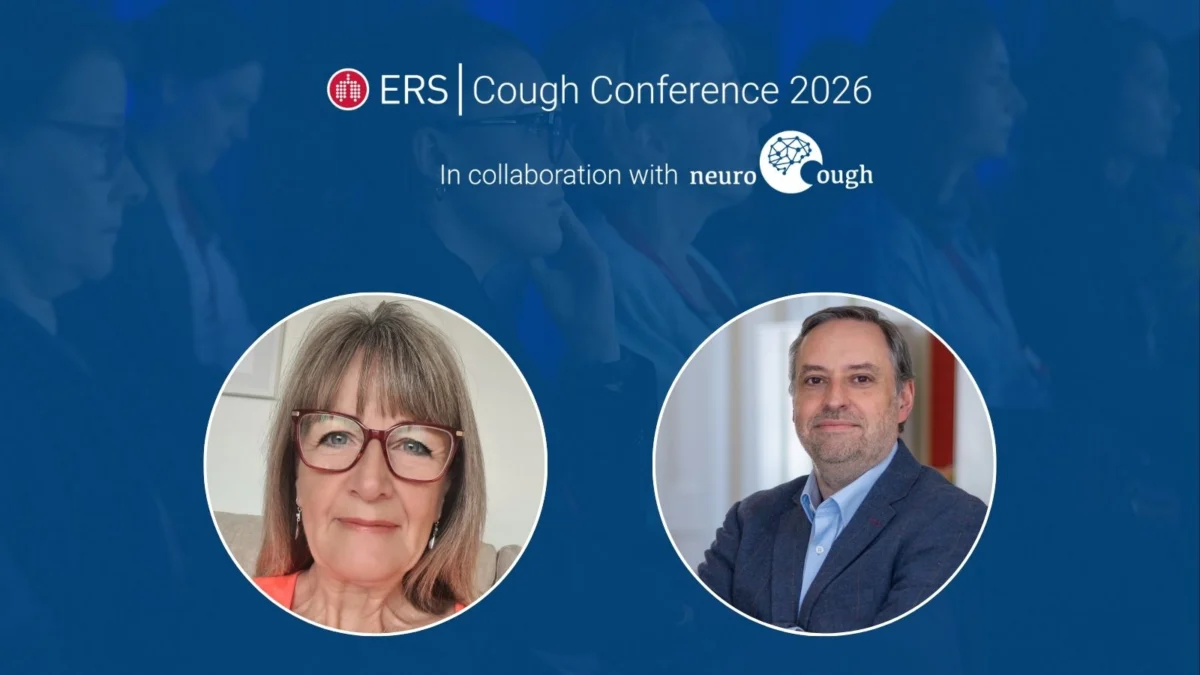
By integrating the voices of patients like Andrew Lothian and Ruth Last alongside world-leading pulmonologists, the ERS is demonstrating a commitment to its core strategic pillar: the cultivation of robust, equal partnerships between patients and healthcare professionals.
Main Facts: A New Era for Respiratory Medicine
The ERS Cough Conference 2026 is designed to break down the traditional "ivory tower" approach to clinical research. Chronic cough, a condition that often leaves patients feeling isolated, misunderstood, and physically exhausted, is notoriously difficult to manage. Clinical data and diagnostic metrics, while essential, often fail to capture the nuanced, daily reality of the condition.
The conference aims to rectify this by ensuring that the patient perspective is not merely an afterthought, but a foundational element of the scientific program. The event serves as a platform where the cold, hard data of clinical trials meets the lived, visceral experience of those navigating the disease. This synthesis of knowledge is expected to inform everything from future research priorities to the day-to-day interactions between primary care providers and their patients.
Chronology of an ERS Strategic Shift
The inclusion of patient voices at this scale did not happen overnight. It is the culmination of a long-term strategic evolution within the European Respiratory Society.
- Pre-2024: ERS began increasing patient representation in various working groups, recognizing that clinical outcomes are often disconnected from patient-reported quality-of-life metrics.
- 2025: The Society formally adopted "Enhanced Patient-Professional Partnerships" as a core strategic objective, marking a departure from traditional hierarchical medical models.
- Early 2026: Planning committees for the inaugural Cough Conference were mandated to include patient representatives in the development of session agendas.
- 15–17 July 2026: The ERS Cough Conference convenes in London. This event marks the official launch of the "patient-as-partner" model in specialized respiratory discourse.
- September 2026 (Forthcoming): The lessons learned from the Cough Conference will be synthesized and expanded upon at the ERS Congress in Barcelona, which will be centered on the theme: "United for better breathing – partnership between patients, clinicians, and researchers."
Supporting Data: Why Patient Input Matters
Chronic cough is often relegated to a "minor" symptom in general medical practice, yet for the patient, it is a life-altering condition. Research indicates that chronic cough can lead to severe psychological distress, social withdrawal, and physical complications, including sleep deprivation and musculoskeletal pain.
According to preliminary data shared by the ERS, patient-reported outcome measures (PROMs) are increasingly proving to be as vital as spirometry or imaging. When patients are given a seat at the table, they often highlight "unmet needs" that clinical researchers may overlook. For instance, while a clinician might prioritize the reduction of cough frequency, a patient might emphasize the importance of reducing the social stigma or the anxiety associated with coughing in public spaces. This alignment of priorities ensures that clinical research remains relevant to the people it is meant to serve.
Official Perspectives: Voices from the Frontline
The inclusion of patient advocates Andrew Lothian and Ruth Last is central to the conference’s mission. Both have expressed that this platform is a necessary evolution in modern medicine.
The Holistic View
Andrew Lothian views the conference as an opportunity to foster mutual understanding. "I hope that the incorporation of the patient perspective will lead the delegates to a more rounded and holistic understanding of chronic cough," Lothian noted. "I am looking forward to meeting clinicians and understanding both the opportunities and challenges that they face in their professional practice." For Lothian, the collaboration is about breaking down the wall between the "patient" and the "professional."
The Human Dimension
Ruth Last, who will also be presenting her experiences, emphasizes that clinical data is only a fraction of the story. "The advancement of clinical knowledge and research are absolutely crucial components for the professional community, but they can only ever tell part of the story," Last stated. She argues that the human perspective—covering the emotional, social, and physical impacts of the disease—is something that datasets simply cannot capture. By providing this narrative, she believes she can help clinicians become more empathetic and, by extension, more effective.
Scientific Leadership Response
The organizers of the conference have been vocal in their support for this collaborative approach. ERS Cough Conference Co-Chair, Prof. Fan Chung, expressed his gratitude for the courage required to share these experiences. "Patient testimony helps to inform researchers and clinicians about the impact of chronic cough on an individual’s daily life; lived experience complements professional and scientific expertise," he remarked.
Prof. Omar Usmani, ERS Science Council Chair and fellow Co-Chair, emphasized that this is part of a broader, global vision. "These are just some of the reasons why the ERS is committed to enhancing patient-professional partnerships—a strategic aim that will also become reality on a global scale this year at the ERS Congress in Barcelona."
Implications: The Future of Clinical Care
The implications of this shift are profound. By moving toward a model where patients are treated as partners, the medical community stands to gain several advantages:
- Improved Diagnostic Accuracy: Clinicians may gain insight into early, subjective symptoms that patients often downplay, potentially leading to earlier intervention.
- Enhanced Treatment Adherence: Patients who feel heard and involved in their treatment plans are statistically more likely to adhere to therapeutic regimens.
- Targeted Research Priorities: By understanding the most distressing aspects of chronic cough from a patient perspective, researchers can focus their efforts on outcomes that actually improve the patient’s quality of life.
- Empathy-Based Healthcare: The professional culture shift toward viewing the patient as an expert in their own condition reduces the isolation often felt by those with chronic, invisible, or poorly understood illnesses.
Challenging Assumptions
As Andrew Lothian suggested, the patient contribution could "challenge assumptions" and lead to "novel ways of patient handling." This is the most exciting implication of the upcoming conference. If a clinician is challenged to view a chronic cough not as a symptom to be suppressed, but as an experience to be managed, the entire trajectory of care changes.
A Global Movement
The ERS is signaling that the era of the patient as a passive recipient of care is ending. The upcoming conference in London is the laboratory for this new approach. If successful, the model of patient-professional partnership will likely be codified into the standard operating procedures for respiratory societies worldwide.
Conclusion: A New Standard
The 2026 ERS Cough Conference is more than just a gathering of scientists; it is a declaration of intent. By validating the lived experience of patients like Andrew Lothian and Ruth Last, the medical establishment is acknowledging that science, while powerful, is incomplete without the human context. As the conference approaches, the hope is that this bridge between clinical understanding and real-life experience will pave the way for a more empathetic, effective, and collaborative future for all those living with respiratory disease.
For those interested in participating in this ongoing conversation, registration and further details regarding the ERS Cough Conference are available via the official ERS digital channels. Additionally, the society’s long-term strategic goals can be explored through their public policy portals, highlighting a roadmap for a future where patients and clinicians stand together—united for better breathing.