






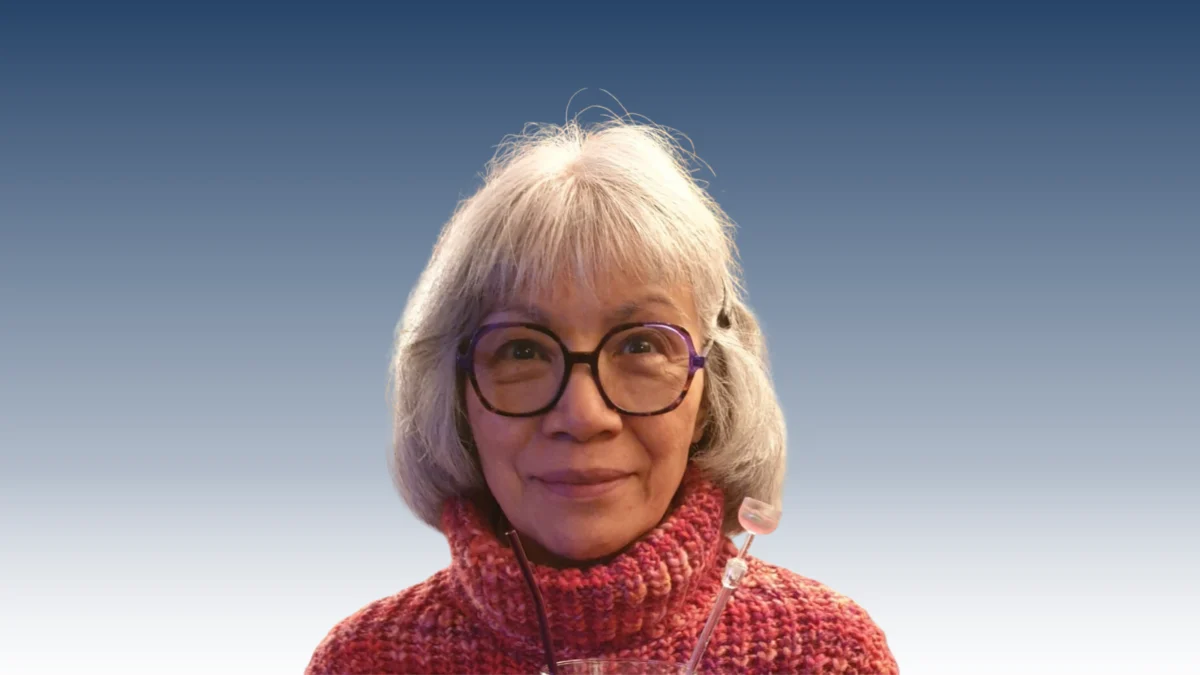
In the world of rare pulmonary diseases, the journey to a diagnosis is often a silent, exhausting odyssey. For Justine Hamaïde, a retired Telecom Engineer and former global consultant, the path to understanding her own health took three and a half years of medical uncertainty. Today, she stands at the forefront of a movement to bring visibility to non-tuberculous mycobacteria pulmonary disease (NTM-PD), a condition that remains largely misunderstood by the public and often overlooked by the broader healthcare system.
The Invisible Burden: Understanding NTM-PD
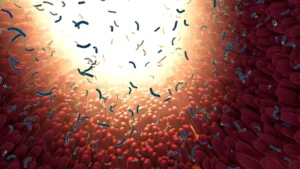
Non-tuberculous mycobacteria (NTM) are a group of bacteria commonly found in the environment—lurking in soil, dust, and water systems. While the majority of the population breathes these organisms in daily without consequence, a subset of individuals develops a chronic, progressive lung infection known as NTM-PD.
For Hamaïde, the disease manifested not with a sudden crisis, but with a slow, grinding erosion of her health. "From 2015, my health began to cause me problems," she recalls. "For three and a half years, I had frequent colds and bronchitis, but antibiotics did not help. I was often off sick because I relapsed and was losing weight."
The clinical reality of NTM-PD is daunting. It is frequently associated with bronchiectasis, a condition where the airways become widened and scarred, making them susceptible to mucus buildup and recurring infections. When the NTM bacteria take hold, they demand a rigorous, often brutal, treatment regimen. Patients may face up to 18 months of intensive, multi-drug antibiotic therapy, which carries a heavy burden of side effects, including severe fatigue and physical debilitation.
A Chronology of Discovery and Diagnosis
The chronology of Hamaïde’s experience serves as a stark reminder of the diagnostic hurdles facing rare disease patients:
- 2015–2018 (The Diagnostic Gap): A three-year period marked by repetitive respiratory infections. Despite multiple consultations and rounds of standard antibiotics, the underlying cause remained hidden. The lack of a clear diagnosis led to isolation, as colleagues and friends struggled to comprehend why she was "always sick with a cold."
- 2018 (The Turning Point): Following hospital tests, Hamaïde was finally diagnosed with bronchiectasis and NTM-PD. While the diagnosis brought clarity, it also introduced the gravity of a chronic, rare condition requiring long-term care.
- 2018–2020 (The Psychological Adjustment): The initial shock of the diagnosis necessitated professional psychological support. During this time, Hamaïde struggled to find a peer support network, discovering that there was no organized patient community for NTM-PD in France.
- 2020–2022 (The Shift to Advocacy): Having "come to terms" with her condition, Hamaïde decided that the disease would not define her existence. She began the rigorous process of becoming a certified "patient partner," learning to bridge the gap between lived experience and clinical expertise.
- 2023 (Institutional Impact): In February 2023, Hamaïde founded MNT Mon Poumon Mon Air, the first patient organization in France dedicated to NTM-PD, creating a vital bridge between patients, families, and a 10-member Scientific Committee of specialists.
Supporting Data: The Impact of Rare Pulmonary Conditions
The experience of NTM-PD patients like Hamaïde highlights several critical data points regarding rare lung disease management:
- Diagnostic Delay: Research consistently shows that patients with rare pulmonary diseases often endure years of misdiagnosis. This delay not only impacts physical health but significantly increases the psychological and economic burden on the patient.
- Environmental Prevalence: Because NTM bacteria are ubiquitous in the environment, the risk is not linked to a single location or activity, making prevention a matter of general environmental awareness rather than avoidance of specific "high-risk" areas.
- Treatment Complexity: The requirement for long-term (18+ months) antibiotic treatment necessitates a multidisciplinary approach, including nutrition, specialized respiratory physiotherapy, and mental health support to manage the toxicity of the drugs.
- Social Isolation: The "invisible" nature of the disability—where a patient may look healthy but struggle with profound fatigue or breathlessness—leads to a lack of societal understanding, further highlighting the need for organized advocacy.
Professional Perspectives: The Patient-Partner Paradigm
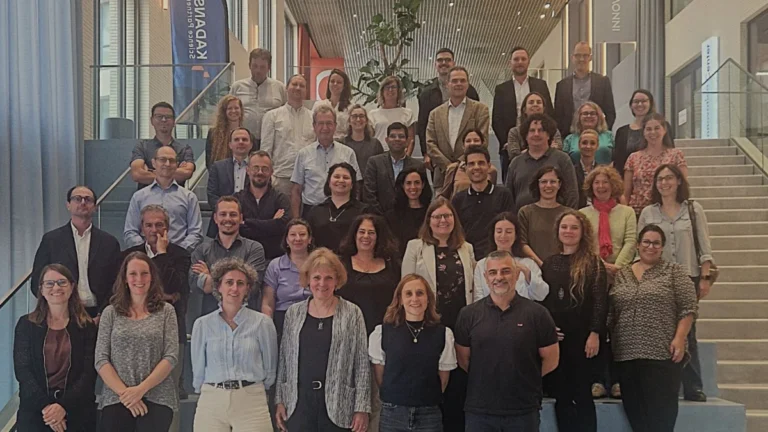
The theme of the European Respiratory Society (ERS) Congress, "United for better breathing: partnership between patients, clinicians and researchers," resonates deeply with Hamaïde. Her transition from patient to advocate is grounded in the belief that medical expertise is incomplete without the patient’s perspective.
"Different points of view and types of knowledge are complementary," Hamaïde asserts. "Patients may not use medical or scientific language, but it is important to include them in these conversations because their lived experiences offer valuable insights."
Her collaboration with the 10 NTM specialists on her organization’s Scientific Committee demonstrates the efficacy of this model. By hosting webinars on topics like nutrition and adapted physical activity, MNT Mon Poumon Mon Air provides actionable, evidence-based support that clinicians alone often lack the time or capacity to deliver.
Implications for Healthcare Policy and Research
As World NTM Awareness Day brings focus to this condition, the implications for policymakers are clear:
- Earlier Intervention: Healthcare systems must train primary care providers to identify the warning signs of NTM-PD sooner. Persistent, non-responsive respiratory symptoms should trigger earlier specialist referral.
- Funding for Research: Given the difficulty of treating NTM-PD, there is a critical need for funding to develop more effective, less toxic antibiotic therapies and, ultimately, to find a cure.
- Support for Patient Organizations: The success of MNT Mon Poumon Mon Air proves that small, patient-led initiatives are essential for providing the holistic care that hospital settings cannot always offer. Policymakers should facilitate the formal integration of these organizations into the broader health infrastructure.
- Public Awareness: Moving beyond the medical community, the public needs to be aware that while NTM bacteria are common, they pose a specific, manageable challenge to the vulnerable. Removing the stigma associated with the diagnosis is a primary goal for advocates.
Moving Forward: A Message of Resilience
For those currently navigating the uncertainty of a diagnosis, Hamaïde’s message is one of cautious optimism. "I encourage those living with the condition to remain positive because they are not alone," she says.
Her life today is a testament to the fact that while a chronic diagnosis alters one’s trajectory, it does not necessarily end one’s ability to participate in the world. By maintaining a disciplined approach to physical therapy, adhering to medical advice, and actively participating in advocacy, Hamaïde has transformed her personal challenge into a beacon for others.
The journey from a lonely, misunderstood patient to the founder of a national organization is more than just a personal triumph; it is a blueprint for how patients, researchers, and clinicians can work together to tackle the "invisible" threats to respiratory health. As the medical community continues to push the boundaries of science, the voice of the patient remains the essential, guiding element in the fight for better breathing for all.
To learn more about the work of MNT Mon Poumon Mon Air or to find resources on managing NTM-PD, patients and caregivers are encouraged to engage with local pulmonary support networks and participate in upcoming international lung health campaigns.