










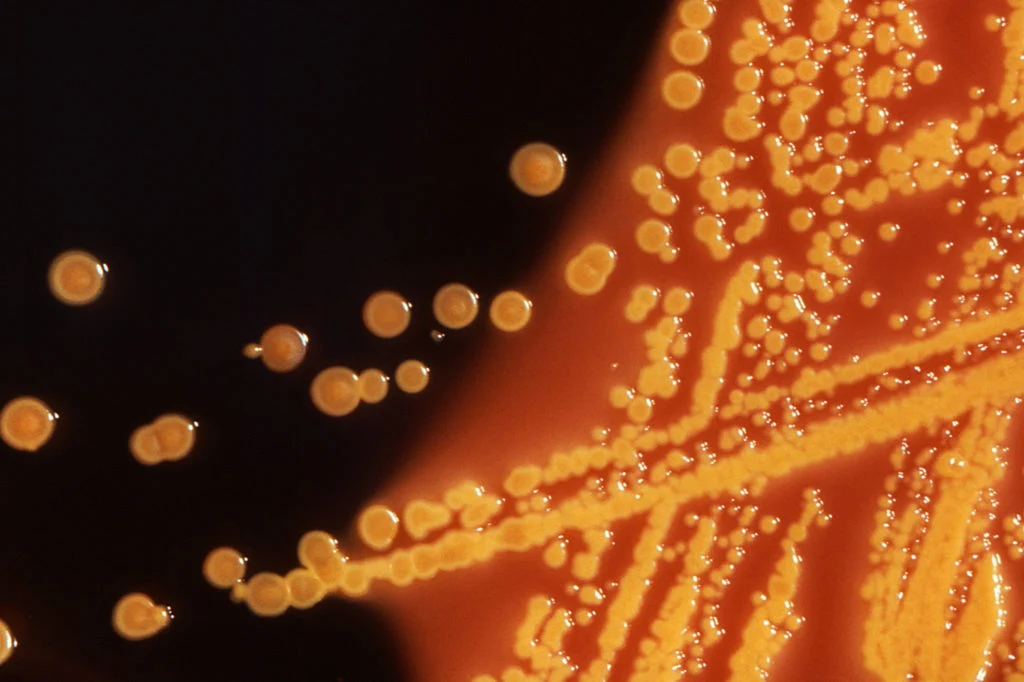
NEW YORK — The vulnerability of the American food supply chain has once again been thrust into the national spotlight. Federal health officials recently identified iceberg lettuce sourced from Mexico as the culprit behind a widespread outbreak of cyclospora—a parasite known to cause severe gastrointestinal distress—at Taco Bell locations across five states.
While major U.S. restaurant chains operate with highly sophisticated logistical networks, the sheer volume of meals served daily means that even a localized contamination event can have a massive public health impact. The U.S. Food and Drug Administration (FDA) has traced the source of the contaminated lettuce to a single supplier: Taylor Farms, a major Salinas, California-based agricultural powerhouse.
As investigations continue, the incident serves as a sobering reminder of how interconnected the modern food system is, and how difficult it remains to guarantee absolute safety in a globalized supply chain.
The Taco Bell Outbreak: A Precautionary Pivot
In response to the FDA’s findings, Taco Bell issued a statement on Thursday, asserting that the affected ingredient had been identified and was being indefinitely removed from its supply chain nationwide. The company moved swiftly, promising that replacement inventory would be integrated within 24 hours in the affected states.
"This is a precautionary measure to ensure the safety and well-being of our guests," a company spokesperson indicated. However, the involvement of Taylor Farms—a massive entity that supplies fresh vegetables to commercial outlets, meal kits, and retail supermarkets—raises concerns about the potential for a wider distribution of the contaminated product. Federal officials have cautioned that as the investigation progresses, other brands, restaurants, and retail channels may be implicated.
A History of Contamination: A Chronology of Crisis
The Taco Bell incident is far from an isolated case. Over the past three decades, several high-profile foodborne illness outbreaks have shaken consumer confidence and forced entire industries to reconsider their safety protocols.
1. The 2024 McDonald’s E. coli Outbreak
In a stark example of how a single ingredient can cripple a global brand, an E. coli outbreak in 2024 was traced back to raw slivered onions served on McDonald’s Quarter Pounder hamburgers. The outbreak resulted in at least 104 illnesses across 14 states, with 34 hospitalizations and one tragic fatality in Colorado. Like the recent Taco Bell case, the onions were traced to a facility operated by Taylor Farms. The fallout forced McDonald’s to temporarily remove the menu item from affected markets, sparking a nationwide conversation about the risks associated with raw produce in fast-food kitchens.
2. The 2022 Wendy’s Lettuce Investigation
In August 2022, Wendy’s preemptively pulled romaine lettuce from its sandwiches across Michigan, Ohio, and Pennsylvania following reports of an E. coli outbreak. The Centers for Disease Control and Prevention (CDC) spearheaded an investigation to determine if the lettuce served at Wendy’s was a point of origin or part of a larger distribution issue that impacted other businesses in the region. The incident highlighted the rapid, "better-safe-than-sorry" approach now adopted by major chains to mitigate legal and public relations disasters.
3. The Chipotle Crisis (2015–2020)
Perhaps the most damaging series of outbreaks in recent history involved Chipotle Mexican Grille. Starting in 2015, a series of E. coli and norovirus outbreaks sickened hundreds of customers across the U.S. The crisis was compounded by a high-profile incident involving Boston College students, including members of the men’s basketball team.
The fallout was catastrophic for the brand. Chipotle was forced to shut down restaurants nationwide for retraining, and its leadership was overhauled as sales plummeted. By 2020, the company agreed to pay a record $25 million fine—the largest ever in a food safety case—to resolve criminal charges. The company admitted to poor safety practices, including systemic failures to maintain proper food temperatures.
4. The 2006 Taco Bell Green Onion Outbreak
Nearly two decades ago, Taco Bell faced a similar crisis when green onions were implicated in an E. coli outbreak that sickened 71 people across four states. Eight of those victims suffered from hemolytic-uremic syndrome, a dangerous form of kidney failure. The company responded with a massive public relations campaign, including an aggressive media tour by its president, to restore consumer trust.
5. The Jack in the Box Watershed Moment (1992–1993)
The modern era of food safety regulation in the U.S. is largely traced back to the Jack in the Box E. coli outbreak of 1992-1993. Four children died, and over 700 people were sickened after consuming undercooked burgers. The tragedy was a turning point for the U.S. Department of Agriculture (USDA), leading to the mandatory implementation of the Hazard Analysis and Critical Control Point (HACCP) system. This rigorous framework focuses on identifying "critical control points" in production where contamination can be prevented or eliminated.
Analyzing the Structural Risks
The frequency of these outbreaks—particularly those involving produce—points to systemic vulnerabilities. Produce is uniquely difficult to secure because it is often consumed raw, meaning there is no "kill step" (like cooking) to eliminate pathogens before it reaches the consumer.
The Role of Industrial Farming
Large-scale agricultural operations, like those managed by Taylor Farms, aggregate products from thousands of acres. When a single lot of produce becomes contaminated—whether through tainted irrigation water, wildlife, or human handling—the sheer scale of distribution means the product can reach hundreds of thousands of consumers across multiple state lines before the first symptom of illness is reported to health authorities.
The "Traceability" Challenge
One of the primary obstacles for the FDA is the speed of traceback investigations. While the agency has improved its ability to track food from farm to fork, the fragmentation of the supply chain—where raw products move through multiple processors, repackagers, and distributors—means that by the time an outbreak is identified, the shelf life of the contaminated product has often already expired.
Official Responses and Regulatory Implications
Federal agencies are under increasing pressure to modernize their inspection protocols. The implementation of the Food Safety Modernization Act (FSMA) has provided the FDA with broader powers, yet the agency continues to struggle with resource allocation and the speed of inspections.
Health experts suggest that the future of food safety lies in:
- Enhanced Genomic Surveillance: Utilizing whole-genome sequencing to match bacteria from patients to bacteria found in food processing facilities with pinpoint accuracy.
- Blockchain Integration: Some industry leaders are advocating for blockchain-based tracking systems, which would allow retailers and regulators to identify the exact origin of a contaminated batch in seconds rather than weeks.
- Stricter Vendor Audits: Following the recent incidents, restaurant chains are expected to impose much more stringent auditing requirements on their suppliers, likely increasing the cost of compliance for agricultural firms.
Conclusion: The Cost of Convenience
The recurring nature of these outbreaks underscores a fundamental tension in the American economy: the consumer demand for fresh, convenient, and affordable meals versus the inherent risks of a hyper-efficient, centralized supply chain.
As Taco Bell and its suppliers navigate the current crisis, the industry is once again reminded that in the food service business, safety is not merely a policy—it is a daily operational imperative. For the American consumer, the takeaway is clear: while the system is more regulated than it was during the Jack in the Box crisis of the 90s, the potential for contamination remains a persistent shadow over the modern dining experience. Whether these recent events lead to another "regulatory pivot" remains to be seen, but the pressure on the FDA to tighten oversight on large-scale agricultural suppliers has never been higher.