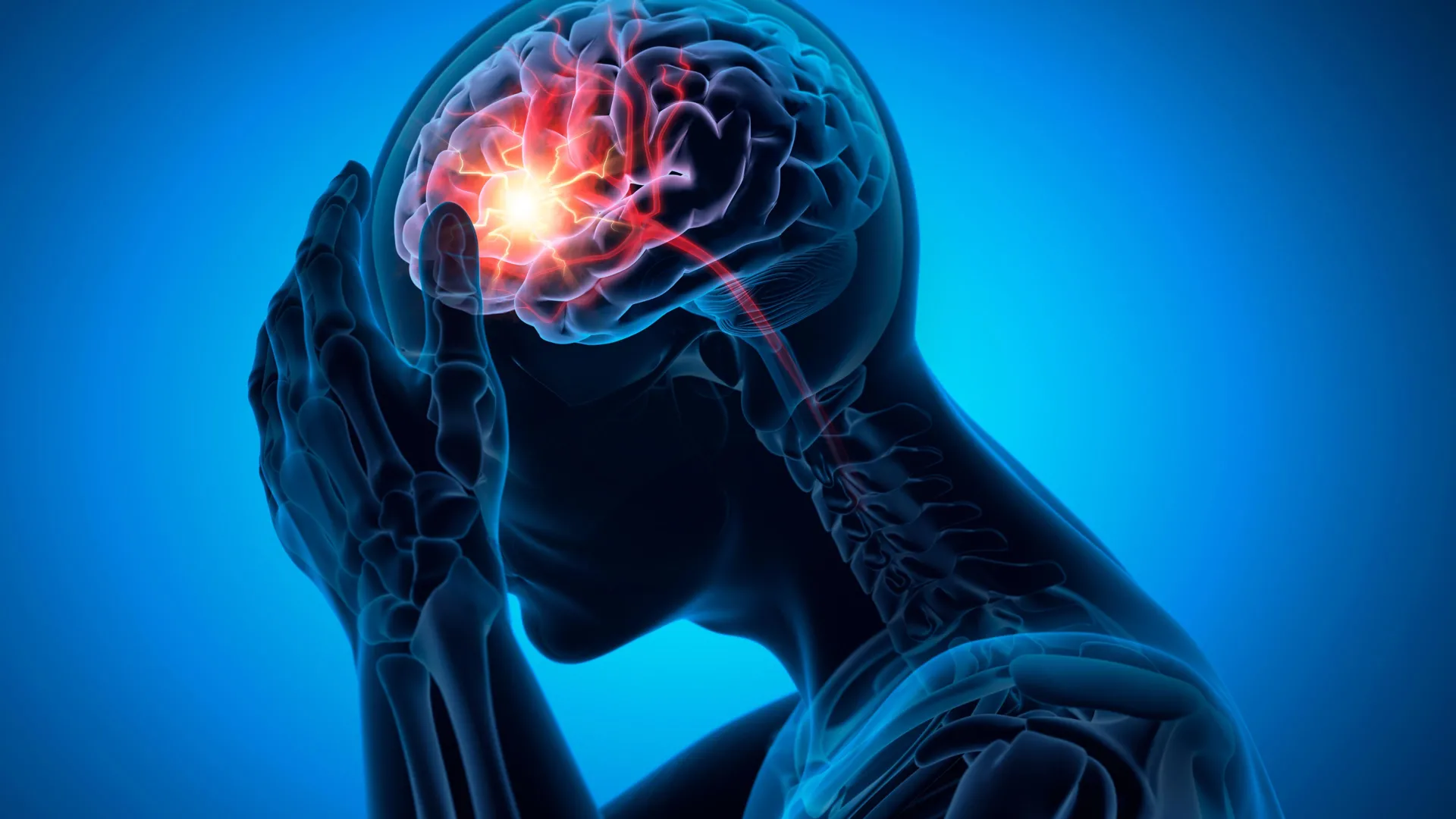
In the field of neurology, few conditions have been as elusive or as debilitating as the lacunar ischemic stroke. For decades, the medical community operated under a fundamental assumption: that these strokes—which occur deep within the brain—were caused by the same mechanisms as those in the rest of the body, namely, the buildup of fatty plaque within arteries. However, a landmark study published in the journal Circulation has shattered this paradigm, suggesting that the primary driver of these strokes is not narrowing arteries, but rather the structural widening and elongation of the brain’s smallest blood vessels.
This discovery is more than just a theoretical shift; it represents a potential turning point in how doctors manage patients at risk of disability, cognitive decline, and dementia. By identifying that traditional antiplatelet therapies—such as aspirin—may be misaligned with the actual pathology of lacunar stroke, researchers are now pivoting toward a new era of targeted vascular protection.
The Anatomy of a Hidden Crisis
Lacunar strokes are distinct from the more widely discussed strokes that often result in sudden, dramatic paralysis. Instead, they occur when the brain’s tiniest, deepest blood vessels are compromised by a condition known as small vessel disease (SVD). Because these strokes often affect small areas, they are frequently referred to as "silent" strokes, yet their cumulative impact is profound. They are a leading cause of long-term disability and are inextricably linked to the progression of vascular dementia and cognitive decline.
Despite their prevalence, SVD has remained a "black box" for clinicians. Efforts to mitigate risk have historically relied on cardiovascular protocols designed for larger arteries—focusing on cholesterol reduction and blood thinners. The fact that patients continue to experience recurrent strokes despite strict adherence to these regimens has long been a source of frustration for both patients and neurologists.
A Chronology of Discovery: From Observation to Evidence
The path to this realization began with a rigorous longitudinal study led by the University of Edinburgh and the UK Dementia Research Institute, involving a cohort of 229 participants who had recently suffered either a lacunar stroke or a mild non-lacunar stroke.
Phase 1: Baseline Assessment
Shortly after their initial stroke, participants underwent extensive clinical and cognitive evaluations. Crucially, each participant was subjected to high-resolution MRI brain scans. These scans provided the researchers with a "snapshot" of the brain’s vascular health, allowing them to map the condition of both large and small blood vessels.
Phase 2: Monitoring Progression
The true innovation of the study lay in the follow-up. One year after the initial event, the participants returned for repeat MRI scans. This allowed the research team to track the evolution of vascular changes over time. They specifically looked for the appearance of new areas of brain injury, known as "silent" infarcts, which occur without obvious outward symptoms but contribute to a steady erosion of neurological function.
Phase 3: The Divergence
As the data was analyzed, a clear pattern emerged that defied conventional wisdom. The researchers compared two distinct vascular phenomena:
- Large Artery Atherosclerosis: The narrowing of vessels due to fatty deposits.
- Small Vessel Dilatation: The widening and elongation of deep-brain arteries.
The results were stark. Narrowing of large arteries, a hallmark of general cardiovascular disease, showed no correlation with the progression of lacunar stroke. Conversely, the widening of arteries within the brain was strongly associated with the condition. Patients exhibiting this widening were more than four times more likely to have experienced a lacunar stroke.
Supporting Data: The Case Against Conventional Wisdom
The statistics gathered by the Edinburgh team serve as a wake-up call for clinical practice. Perhaps most concerning is the finding that more than one in four participants developed new, "silent" strokes during the one-year study period, despite being on standard preventive medications.
The Breakdown of the Findings:
- The Atherosclerosis Disconnect: Researchers found that traditional large-artery narrowing was not a predictor of new brain damage in lacunar stroke patients. This suggests that the "clogged pipe" model of stroke prevention is largely ineffective for the small vessels of the brain.
- The Dilatation Link: Arterial widening was found to be a consistent marker for more severe small vessel disease. This structural change indicates a loss of elasticity and vessel integrity, which seems to trigger the stroke events, rather than the simple blockage of blood flow.
- The Persistence of Silent Strokes: The fact that 25% of patients continued to experience brain injury despite standard-of-care treatment highlights a systemic gap in current medical strategies.
Official Responses and the Shift in Clinical Strategy
The academic and medical communities have reacted with significant interest to these findings, noting that the study provides a "missing link" in understanding microvascular health.
Expert Insight: Prof. Joanna Wardlaw
Professor Joanna Wardlaw, a leading expert in Applied Neuroimaging at the University of Edinburgh and Group Leader at the UK Dementia Research Institute, underscored the gravity of the findings. "This study provides strong evidence that lacunar stroke is not caused by fatty blockage of larger arteries, but by disease of the small vessels within the brain itself," she stated.
Professor Wardlaw emphasized that the distinction is not merely academic. "Recognising this difference is crucial, because it explains why conventional treatments like antiplatelet drugs are not as effective for this type of stroke," she explained. Her call to action is clear: the medical field must pivot toward therapies that protect the structural integrity of the microvasculature rather than focusing solely on anti-clotting agents.
Implications: A New Era of Targeted Therapy
The implications for future stroke prevention are vast. If the underlying mechanism is a structural degradation of the vessel wall—widening and elongation—then treatment must focus on "vascular protection" and stabilization of the vessel structure.
The LACI-3 Trial
The research team is already translating these findings into clinical practice through the LACunar Intervention Trial 3 (LACI-3). This trial represents a major shift in focus, moving away from broad-spectrum blood thinners toward drugs designed to:
- Support Vessel Health: Targeting the endothelial cells that line the brain’s smallest vessels.
- Manage Blood Pressure Dynamics: Utilizing medications like isosorbide mononitrate to reduce the stress placed on vulnerable, widened vessels.
- Cognitive Preservation: Monitoring whether these interventions can slow the progression of dementia and memory loss associated with recurrent silent strokes.
Global Collaboration
The study’s success was made possible by an international coalition, including researchers from the UK, China, and Mexico. Funding was provided by a robust network of health organizations, including the UK Medical Research Council, the Alzheimer’s Society, the British Heart Foundation, and the Wellcome Trust. This global effort underscores the universal nature of the challenge: as populations age, the incidence of small vessel disease and the associated risk of dementia are projected to rise significantly.
Conclusion: Redefining the Standard of Care
The discovery that lacunar stroke is fundamentally a disease of vessel structure—not vessel blockage—is a humbling reminder of how much remains to be learned about the human brain. By identifying that the "clogged pipe" model does not apply to the brain’s deepest reaches, scientists have cleared the way for a more nuanced, effective approach to patient care.
For the millions of individuals currently navigating the risks of stroke and vascular cognitive impairment, this research offers a glimmer of hope. It signals a move away from "one-size-fits-all" cardiology and toward a specialized, neuro-centric strategy. As the LACI-3 trial and future studies continue to test these hypotheses, the medical community inches closer to a time when silent strokes are no longer an inevitable byproduct of aging, but a manageable—and potentially preventable—vascular condition. The focus has finally shifted from the fat in our blood to the integrity of the vessels themselves, marking a critical advancement in the battle against neurological decline.