








As we navigate the complexities of an aging population, the search for non-invasive, accessible tools to combat cognitive decline has become a global priority. This March, in observance of Brain Health Awareness Week (March 16-20), the Caregiving Club On Air podcast—now ranked as the #3 caregiving resource globally by Feedspot—has turned its focus to one of the most underutilized frontiers of neuroscience: the human sense of smell.

In Season 6, Episode 66, host Sherri Snelling sits down with Dr. Michael Leon, Professor Emeritus at the University of California, Irvine (UCI), to discuss how olfactory enrichment is not merely about pleasant aromas, but a powerful mechanism for neuroplasticity and cognitive preservation.

The Intersection of Neuroscience and Olfaction: Main Facts
The brain’s olfactory bulb is uniquely positioned, sharing a direct, high-speed connection with the hippocampus and the amygdala—the areas of the brain responsible for memory formation and emotional processing. Unlike our other senses, which must travel through different relay stations, scent has a "fast track" to the brain’s control centers.

Dr. Michael Leon, a distinguished voice in the field of neuroscience, has spent decades researching the interaction between sensory input and brain health. His work posits that the loss of smell is often a precursor to neurological disorders, including Alzheimer’s disease. By stimulating the olfactory system, we may be able to "cross-train" the brain, lowering the oxidative stress and inflammation that contribute to cognitive decay.

Chronology of Research: From Laboratory to Living Room
The journey toward "scent-training" as a therapeutic modality has evolved significantly over the last decade:

- Initial Discovery Phase: Early research identified that the olfactory system remains one of the few areas of the brain capable of neurogenesis—the growth of new neurons—throughout adulthood.
- The 226% Breakthrough: In clinical studies, Dr. Leon and his colleagues discovered that individuals who underwent consistent olfactory training—exposure to a variety of potent, non-toxic scents—demonstrated a 226% increase in memory and cognitive performance compared to control groups.
- Development of Memory Air: Transitioning from the laboratory to the home, Dr. Leon co-created Memory Air, a wellness technology designed to integrate scent-based therapy into the daily environment. This product reflects the growing trend of "Well Home Design," or NeuroDesign, which seeks to optimize living spaces to support brain health.
Supporting Data: The Science of Scent
The data supporting sensory enrichment is compelling. When we experience scents, we are effectively providing a "workout" for the brain’s olfactory circuits. This enrichment serves several critical functions:

- Reduction of Oxidative Stress: Persistent exposure to complex, pleasant, and varied scents helps mitigate the oxidative stress that damages neuronal cells.
- Sleep Quality Optimization: Certain scents have been clinically shown to promote deeper, more restorative REM sleep. Since sleep is when the brain clears out metabolic waste (via the glymphatic system), better sleep is a cornerstone of Alzheimer’s prevention.
- Neuroplasticity Enhancement: By challenging the brain to identify and process different smells, we encourage the formation of new neural pathways, keeping the brain agile and resilient against the effects of aging.
Official Perspectives: The Expert View
Dr. Michael Leon emphasizes that the current crisis in brain health requires a multifaceted approach. "We have spent too long viewing brain health as a passive state," Dr. Leon noted during the interview. "By actively engaging the olfactory system, we move from passive decline to active maintenance."

Sherri Snelling, who authored ME TIME MONDAY, echoes this sentiment, framing sensory enrichment as a "well-being hack" for the modern caregiver. "My work has always focused on how the five senses act as gateways to brain function," Snelling explains. "When we enhance these senses, we are not just feeling better in the moment; we are building a cognitive reserve that acts as a buffer against future decline."

Implications for the Sandwich Generation
The implications of this research are profound for the "Sandwich Generation"—those balancing the care of aging parents with the demands of their own careers and children. The Caregiving Club has long been a champion for this demographic, and the shift toward "Well Home Design" provides actionable, low-cost strategies for those providing care at home.

The integration of scent-training into daily life is particularly suited for caregivers because it is:

- Non-invasive: It requires no medication or complex medical procedures.
- Passive: Once the environment is set with scent-diffusing technology, the benefits are realized during normal daily activities or sleep.
- Affordable: Compared to pharmaceutical interventions, sensory enrichment is an accessible tool for families looking to improve the quality of life for loved ones suffering from cognitive impairment.
A Broader Commitment to Brain Health
The Caregiving Club On Air podcast has established itself as a hub for comprehensive caregiving education. Beyond the current focus on scent, the program has hosted a wide array of experts to discuss:

- Nutrition: Dr. Annie Fenn’s insights on the MIND Diet, which combines the best of the Mediterranean and DASH diets to reduce neuro-inflammation.
- Digital Health: Dr. Henry Mahncke’s work on cognitive training software.
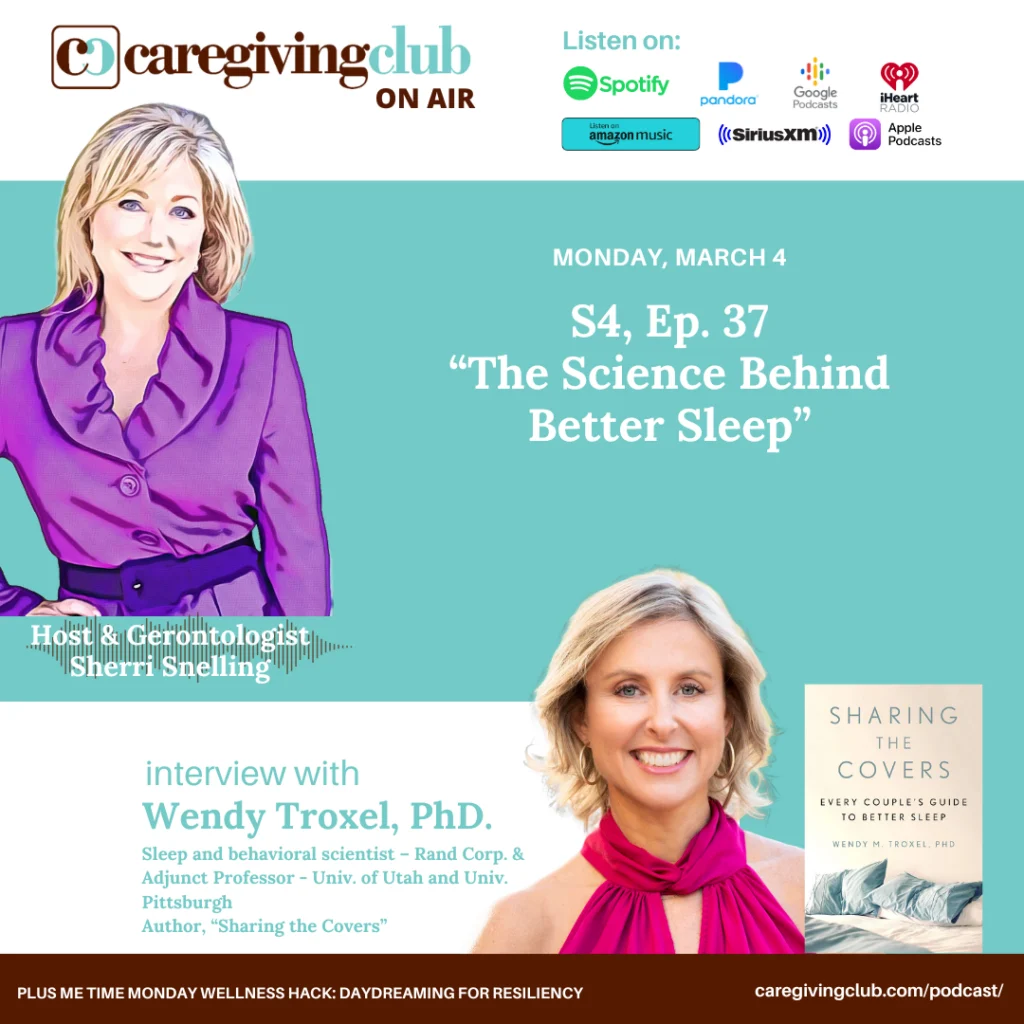
- Sleep Science: Interviews with experts like Dr. Wendy Troxel and Dr. Dan Gartenberg, who explore the critical link between circadian rhythms and memory consolidation.
The Caregiving Club has also expanded its reach by launching the "Caregiving Club News" on YouTube. This initiative aims to consolidate research, resources, and pop culture updates for caregivers, ensuring that the latest scientific findings are communicated in a clear, actionable format.

Practical Steps: How to Start
For those looking to implement these brain health "hacks" immediately, the Caregiving Club offers several resources:

- The MIND Diet: Focus on 5–7 servings of leafy greens and berries daily, with fish at least three times a week.
- The 5 Senses Infographics: Utilizing visual aids provided by the Club, caregivers can learn how to introduce sensory-rich environments into their homes to promote neuroplasticity.
- 7-Minute Self-Care: The "Self-Care in 7 Minutes" video library provides quick, manageable exercises for caregivers, ranging from meditation and digital detoxes to nutritional tips and sleep hygiene.
Conclusion: The Future of Care
As we look toward the future, the integration of neuroscience into everyday home environments represents a significant shift in how we approach aging. The work of pioneers like Dr. Michael Leon, amplified by platforms like the Caregiving Club, reminds us that our brain health is, to a large extent, in our own hands.

By paying attention to the air we breathe, the food we eat, and the way we utilize our five senses, we can create a proactive defense against the tide of neurodegenerative disease. As the #3 ranked caregiving podcast, the Caregiving Club continues to serve as an essential lifeline, turning complex scientific inquiry into the tools that help families thrive in the face of life’s most difficult transitions.

For further resources, including the "Self-Care in 7 Minutes" series and information on the MIND Diet, listeners and readers are encouraged to subscribe to the Caregiving Club YouTube channel and explore the full archives of "Caregiving Club On Air."