










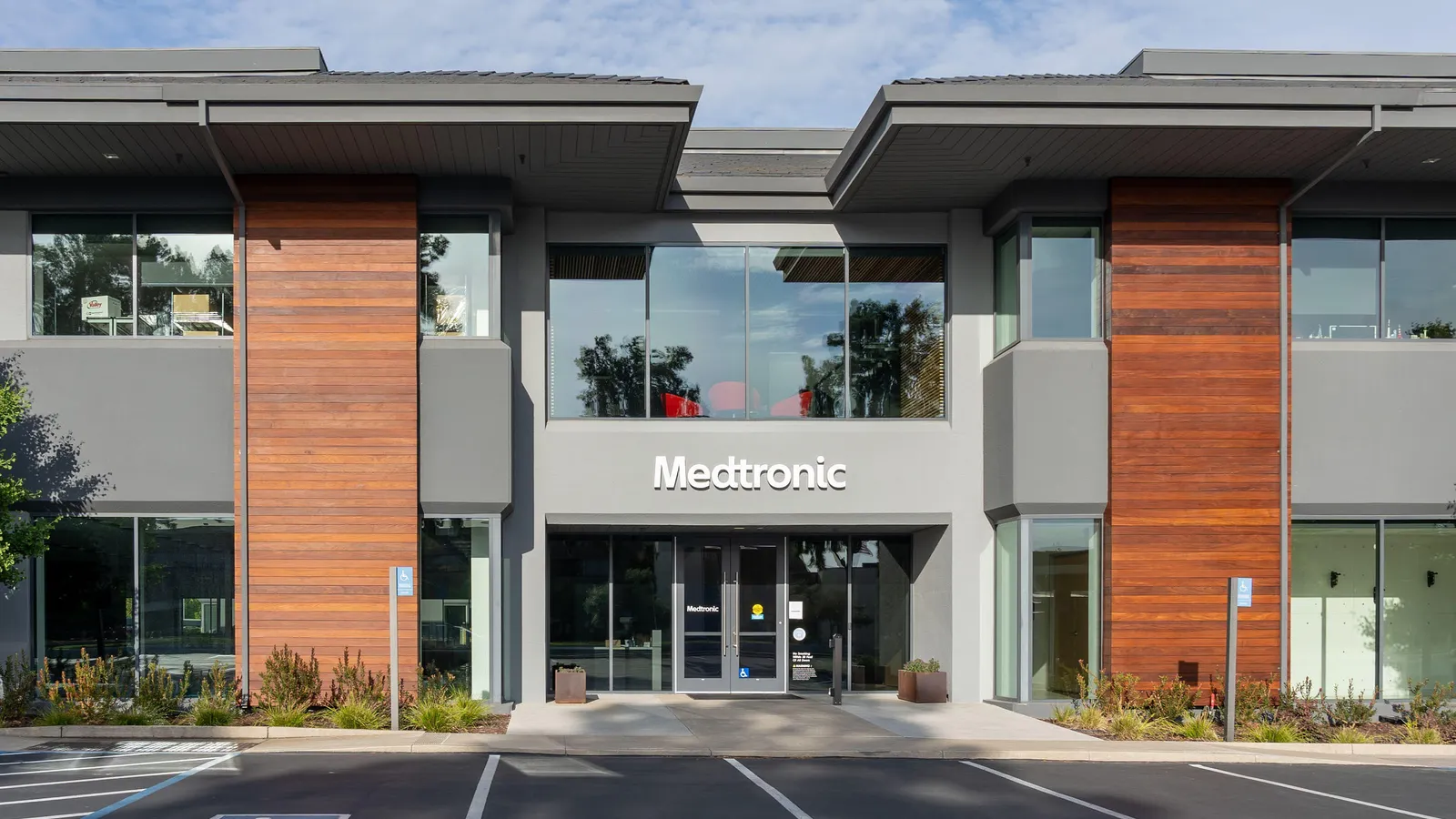
In a move that underscores a definitive shift toward aggressive market expansion, medical device giant Medtronic has finalized its acquisition of SPR Therapeutics, a developer of innovative peripheral nerve stimulation (PNS) technologies. Valued at approximately $650 million, the deal serves as the cornerstone of Medtronic’s reinvigorated mergers and acquisitions strategy, aimed at fortifying its presence in the high-growth neuromodulation sector.
As the global healthcare landscape pivots toward non-opioid, minimally invasive pain management solutions, Medtronic’s purchase of SPR represents a calculated bet on the future of chronic pain therapy. By integrating SPR’s proprietary Sprint technology—a system capable of delivering 60 days of peripheral nerve stimulation—Medtronic is not merely adding to its portfolio; it is securing a foothold in a segment currently witnessing annual growth rates exceeding 20%.
The Strategic Rationale: A New Era of Neuromodulation
For Medtronic, neuromodulation has long been a pillar of its innovation strategy, yet recent fiscal performance highlighted a need for fresh momentum. During the company’s fiscal fourth-quarter earnings call, which concluded in April, Medtronic reported only low-single-digit growth in its neuromodulation division. This tepid performance acted as a catalyst for leadership to seek external opportunities that could reinvigorate the segment.
CFO Thierry Piéton has been vocal about the company’s decision to move "back on offense." According to Piéton, the acquisition of SPR Therapeutics is designed to capture market share in a rapidly evolving space. "Neuromodulation is an area of strategic focus and investment," Piéton noted. "By bringing in high-growth, high-impact technologies like those offered by SPR, we are shifting our portfolio toward sectors that are not only expanding at a double-digit clip but are also fundamentally changing the standard of care for patients suffering from chronic pain."
Chronology of Development: From FDA Clearance to Market Dominance
The journey of SPR Therapeutics from an emerging medtech player to an acquisition target is marked by consistent regulatory milestones and clinical validation.
- 2017: The Regulatory Breakthrough: SPR Therapeutics achieved a significant milestone with 510(k) clearance from the U.S. Food and Drug Administration (FDA) for its Sprint PNS system. By utilizing its proprietary Smartpatch device as a predicate, the company demonstrated the efficacy and safety of a system designed to provide temporary, non-permanent nerve stimulation.
- Expansion of Therapy Duration: Initially limited in scope, the Sprint device evolved, effectively doubling its therapeutic window from 30 days to 60 days. This expansion was critical, as it provided patients with a longer period of relief, thereby increasing the likelihood of long-term pain reduction and patient satisfaction.
- May 2026: The Acquisition Announcement: Medtronic officially disclosed its intent to purchase SPR Therapeutics for approximately $650 million, signaling the start of a new integration phase for the company’s pain management division.
- 2025–2026: Clinical Validation: Throughout this period, independent and company-funded studies have solidified the clinical profile of the Sprint system, providing the robust data necessary to justify such a high-value acquisition.
Supporting Data: Why the Evidence Matters
The acquisition is underpinned by a compelling body of clinical evidence that distinguishes the Sprint system from legacy pain management techniques. The effectiveness of the technology is not merely anecdotal; it is supported by rigorous multicenter clinical trials and peer-reviewed research.
Clinical Efficacy
A multicenter clinical trial—funded by the U.S. Department of Defense and SPR Therapeutics—provided critical evidence linking the Sprint system to statistically significant improvements in pain relief for chronic low back pain. When compared to standard interventional management, patients using the Sprint system at the three-month mark showed markedly higher outcomes in mobility and pain reduction.
Long-Term Sustainability
Perhaps most vital to the investment thesis is the durability of the treatment. A paper published in 2025 revealed that the benefits of the Sprint system persist for up to five years post-treatment. This longevity is a key differentiator in a market saturated with short-term, iterative solutions. Furthermore, pooled results from 13 separate studies indicated that 60% of patients achieved a 50% or greater reduction in pain at the conclusion of the 60-day treatment cycle, a statistic that serves as a powerful selling point for clinicians and insurers alike.
Broader M&A Context: Medtronic’s "Back on Offense" Strategy
The purchase of SPR is far from an isolated event. It is part of a broader, deliberate campaign by Medtronic to deploy its capital in the $1 billion to $3 billion "sweet spot" of acquisitions. This strategy seeks to bolster internal research and development with proven, external innovation.
Recent Acquisitions and Partnerships
- CathWorks: In a deal worth $585 million, Medtronic acquired CathWorks, a company specializing in digital diagnostics for coronary artery disease, further cementing its position in the cardiovascular space.
- Scientia Vascular: Medtronic completed a $550 million takeover of Scientia Vascular, demonstrating its commitment to acquiring niche, high-tech manufacturers that complement its existing neurovascular portfolio.
- Distribution Agreements: Beyond full acquisitions, Medtronic is leveraging partnerships to fill gaps in its portfolio. The company inked a deal to distribute Merit Medical Systems’ FDA-cleared basivertebral nerve ablation system, "ViaVerte," further diversifying its low back pain treatment options.
- Strategic Investments: Medtronic has also directed capital into early-stage ventures, including investments in Beluga Medical and CardioACC, and recently announced additional support for its cardiac ablation portfolio, specifically for its Affera mapping and ablation technologies.
These moves illustrate a clear trend: Medtronic is moving away from purely organic growth, opting instead to build a modular, high-tech ecosystem that covers the entire continuum of care—from diagnostics and mapping to intervention and long-term management.
Implications for the Future of Pain Management
The acquisition of SPR Therapeutics has profound implications for both the medical technology industry and the patients it serves.
1. Shift Toward Non-Opioid Solutions
As the medical community continues to struggle with the societal costs of opioid dependency, the demand for non-pharmacological, neuromodulation-based pain management has reached an all-time high. By incorporating the Sprint system into its global distribution network, Medtronic is effectively scaling access to an opioid-sparing technology that could reduce the reliance on systemic pain medications.

2. Competitive Landscape
The move places pressure on other major medtech players, such as Boston Scientific and Abbott, which also maintain significant stakes in the neuromodulation market. By securing a 60-day, clinically proven PNS solution, Medtronic has increased the barrier to entry for smaller competitors and signaled that it intends to lead the conversation on chronic pain intervention.
3. Physician Adoption and Reimbursement
One of the primary challenges for any new neuromodulation technology is physician adoption and the establishment of insurance reimbursement codes. With Medtronic’s massive sales infrastructure, the company is uniquely positioned to accelerate the adoption of SPR’s technology, train a larger cohort of pain specialists, and work with regulatory bodies to ensure broader coverage for patients.
4. Financial Outlook
For shareholders, the acquisition represents a calculated risk. While the upfront cost is significant, the projected 20% annual growth rate of the PNS market suggests that the investment will be accretive to Medtronic’s earnings in the long term. CFO Thierry Piéton’s emphasis on "going back on offense" suggests that investors should expect further deals of this nature as Medtronic continues to prune its portfolio and double down on high-growth segments.
Conclusion
Medtronic’s acquisition of SPR Therapeutics is more than a balance sheet entry; it is a declaration of intent. In a market where clinical evidence is the ultimate currency, Medtronic has secured a technology that has proven its worth through both military-funded trials and long-term follow-up studies. As the company continues to integrate these acquisitions, the medical community will be watching closely to see how effectively Medtronic can translate its aggressive M&A strategy into tangible patient outcomes and sustained revenue growth.
By balancing its massive scale with the agility of companies like SPR, Medtronic is positioning itself not just as a device manufacturer, but as a comprehensive partner in the future of pain management. The "offense" has only just begun.