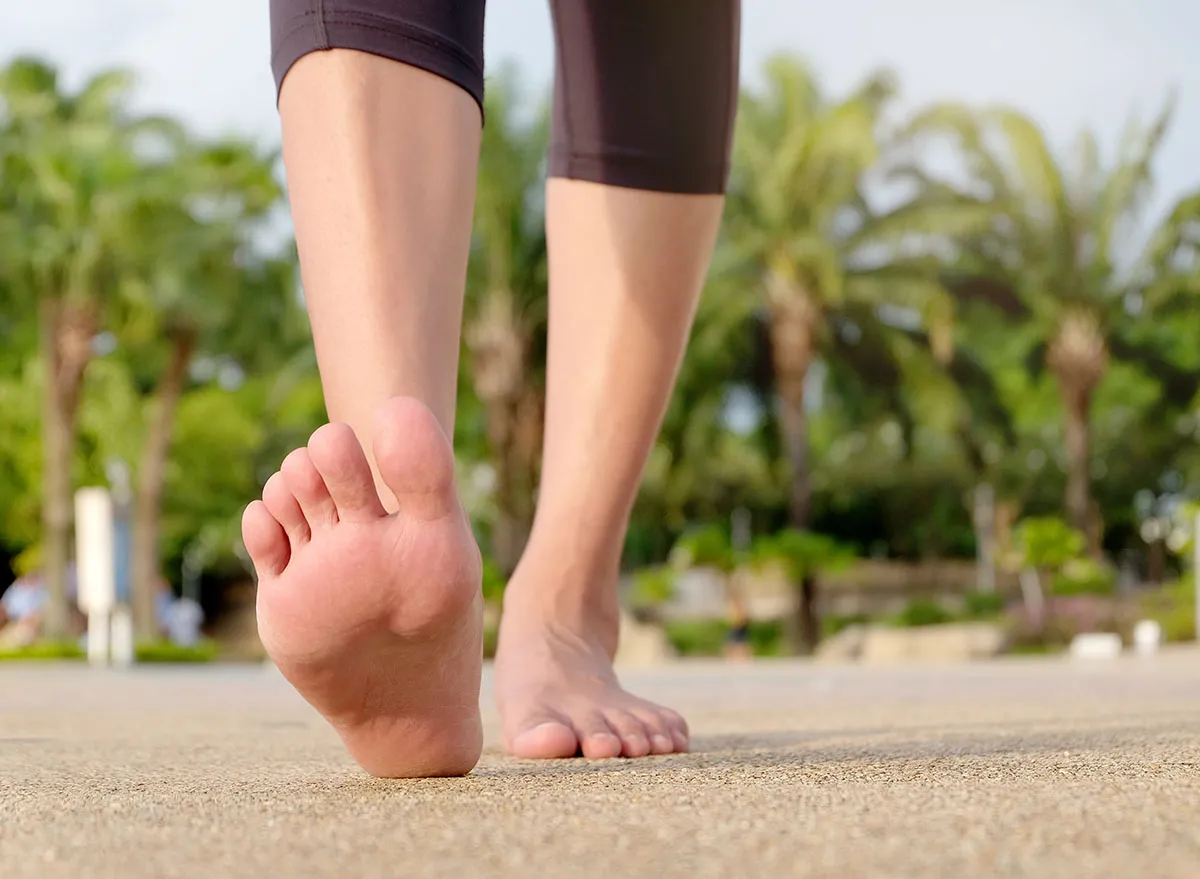
For millions of adults over the age of 60, the morning ritual is a familiar, frustrating routine: you swing your legs out of bed, place your feet on the floor, and are immediately met with a wave of stiffness and restricted movement. For years, the conventional wisdom has dictated that this sensation is the result of tight calves or inflexible muscles. Consequently, many seniors dedicate months to aggressive calf stretching, foam rolling, and foot massages, only to find that their range of motion remains stubbornly limited and their balance continues to decline.
However, a paradigm shift is occurring in the world of physical therapy and fitness training. Experts are increasingly suggesting that the culprit is not merely a lack of flexibility, but a breakdown in the complex communication system between your ankles and your brain. By shifting the focus from "stretching" to "proprioception"—the body’s ability to sense its position in space—seniors can unlock a level of stability and mobility that traditional methods often fail to provide.
The Science of Micro-Movements: Why Stretching Often Fails
To understand why traditional stretching often falls short, one must first look at the mechanics of the ankle. The ankle is not simply a hinge joint; it is a sophisticated sensory organ. The ligaments and tendons surrounding the joint are densely packed with mechanoreceptors—tiny sensors that provide constant feedback to the central nervous system regarding joint position, pressure, and stability.
"Micro-movements determine macro-movements," explains one veteran fitness trainer. "The small, intricate adjustments occurring within the foot and ankle determine how the entire body moves through space."

When these sensory signals become distorted due to age, sedentary habits, or past injuries, the brain initiates a protective response. If the brain perceives that an ankle is unstable or "unsafe," it will intentionally increase muscle tension to "lock" the joint. This is the root cause of the stiffness many people feel. If you force a stretch on a joint that the brain has deemed unstable, the nervous system will often fight back by creating more tension. Mobility is not something you force; it is something your nervous system must allow.
Chronology of Decline: From Minor Restriction to Chronic Stiffness
The path to restricted ankle mobility is rarely sudden. It typically follows a predictable, long-term trajectory:
- The Sedentary Adaptation: As physical activity levels shift during middle age, the ankle’s sensory input becomes repetitive. The body becomes highly efficient at the limited movements it performs daily, causing unused ranges of motion to atrophy.
- The "Safety" Lock: Over time, previous minor sprains or chronic overuse lead the brain to lower its "trust" in the ankle’s stability. The nervous system begins to treat the current, limited range of motion as the "new normal."
- The Protective Response: Because the brain no longer receives clear, confident signals from the ankle ligaments, it increases resting muscle tone. This is the physiological origin of the "stiff" feeling experienced upon waking.
- The Kinetic Chain Effect: Because the ankle is the body’s primary point of contact with the ground, restricted mobility here causes compensatory movements in the knees, hips, and spine. This is why ankle stiffness in your 60s is often a precursor to lower back pain and balance-related falls.
Supporting Data: Proprioception and the Risk of Falls
According to the CDC, falls are the leading cause of injury-related death among adults aged 65 and older. While much of the focus on fall prevention centers on core strength and vision, recent data suggests that the ankle is the "unsung hero" of stability.
Research indicates that individuals with reduced proprioceptive acuity in the lower extremities are significantly more likely to experience gait irregularities. When the brain receives "noisy" or "muted" data from the ankle, the body’s ability to adjust to uneven terrain or sudden shifts in weight is compromised. By improving the "signal clarity" from the ligaments to the brain, seniors can effectively recalibrate their balance system, reducing the reliance on visual cues to stay upright.
Expert Perspectives: Stability Before Mobility
The most effective way to restore ankle health is to prioritize stability over raw flexibility. Physical therapists now emphasize "proprioceptive training"—exercises that challenge the joint to move in controlled, deliberate ways that force the brain to pay attention to the ankle’s position.
"I don’t start by asking the ankle to move further," says our fitness consultant. "I start by asking the ankle to sense where it is." By training the ligaments and tendons to communicate effectively with the brain, the body naturally feels "safe" enough to release the protective tension. Once the nervous system trusts the stability of the joint, the increased mobility follows almost effortlessly, without the need for painful, aggressive stretching.
The Four Pillars of Ankle Rejuvenation
The following exercises are designed to be performed from a seated position, making them accessible even for those with limited mobility. The goal is not speed or intensity, but "clarity of connection."
1. Lateral and Medial Ligament Loading
This exercise targets the ligaments on the outside (lateral) and inside (medial) of the ankle, which are essential for navigating uneven surfaces.

- The Action: While seated, keep your foot firmly planted on the floor. Without lifting your heel or toes, move your knee inward to shift weight toward the inside of your foot, then outward to shift it toward the outside.
- The Focus: Ensure the foot remains fixed while the knee provides the leverage. This creates a subtle, controlled tension in the medial and lateral ligaments.
- Duration: 90 seconds per leg.
2. Anterior Ligament Control
The anterior ligaments, located at the front of the ankle, are often the most restricted in people who spend long hours sitting.
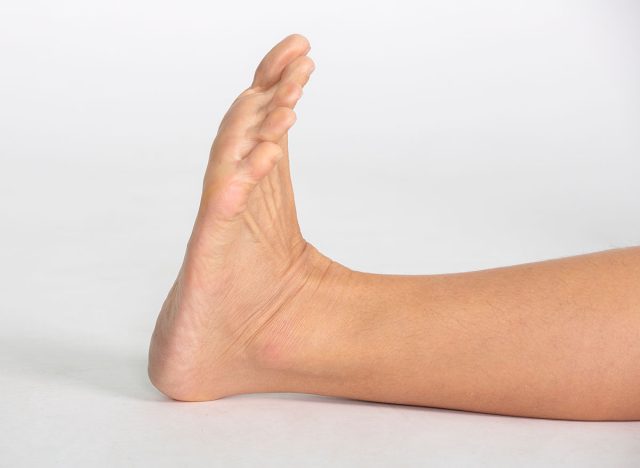
- The Action: Focus on slowly pointing and flexing the foot while keeping the movement extremely small and precise. Imagine you are drawing a tiny circle with your big toe, focusing solely on the muscles and ligaments across the front of the ankle joint.
- The Focus: The movement should be slow enough that you can feel the activation of the ligaments under the skin. Speed is the enemy of this exercise.
- Duration: 90 seconds per leg.
3. Posterior Achilles Engagement
The Achilles tendon is the largest, strongest tendon in the body and a massive source of proprioceptive feedback.
- The Action: Place a small block, a thick book, or a rolled-up towel under the ball of your foot. Gently press your heel down and then lift it, focusing on the stretch and contraction occurring in the Achilles.
- The Focus: Mentally trace the sensation of the tendon crossing the ankle joint. This "mind-muscle connection" is critical for reprogramming the nervous system.
- Duration: 90 seconds per foot.
Implications for Longevity
The implications of these exercises extend far beyond the ankle. By restoring the "line of communication" between the ground and the brain, seniors can see a cascade of benefits:
- Improved Gait: Walking becomes more fluid and less energy-intensive.
- Upstream Relief: As the ankle regains its function as a shock absorber, the stress placed on the knees and hips is significantly reduced.
- Fall Prevention: A more "aware" ankle allows for faster, more instinctual corrections when the body encounters a tripping hazard.
- Restored Confidence: Perhaps most importantly, the psychological toll of feeling "stiff" or "frail" is replaced by the confidence that comes with a responsive, capable body.
In summary, if you are over 60 and struggling with chronic ankle stiffness, it is time to stop viewing your body as a machine that needs to be stretched and start viewing it as a communication network that needs to be reconnected. By focusing on stability and proprioceptive training, you aren’t just loosening a joint—you are reclaiming your autonomy, one movement at a time.