






Introduction: Navigating Health in a Post-Pandemic Era
The transition into a new year often serves as a natural inflection point for personal reflection, yet the shift from 2020 to 2021 carried a weight unlike any other in recent history. As the global COVID-19 pandemic reshaped the landscape of daily existence, it fundamentally altered how individuals approach nutrition, physical activity, and overall well-being. From supply chain disruptions affecting food access to the profound psychological toll of social distancing and economic instability, the health crisis acted as a catalyst for a renewed focus on what it truly means to live a healthy life.
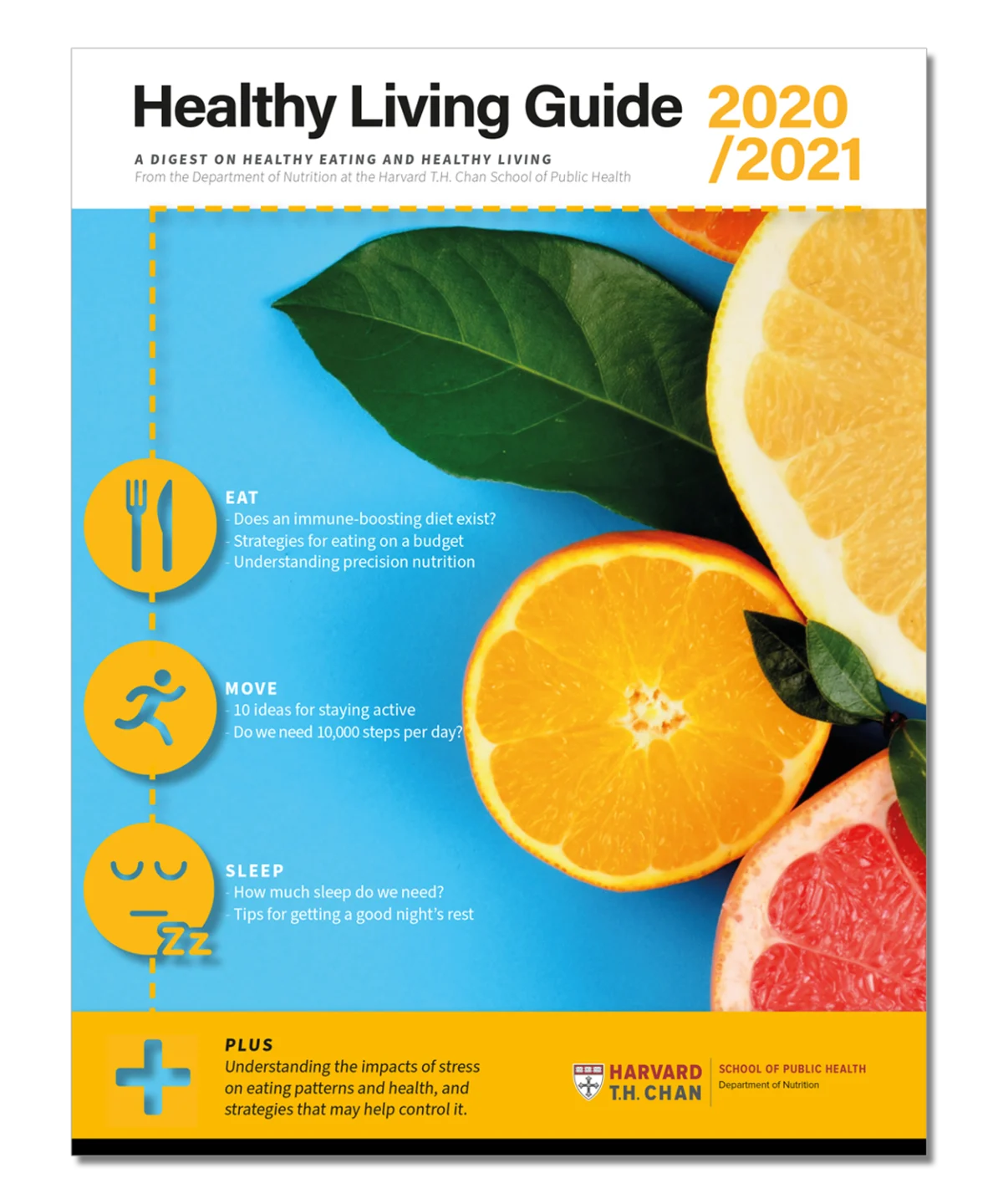
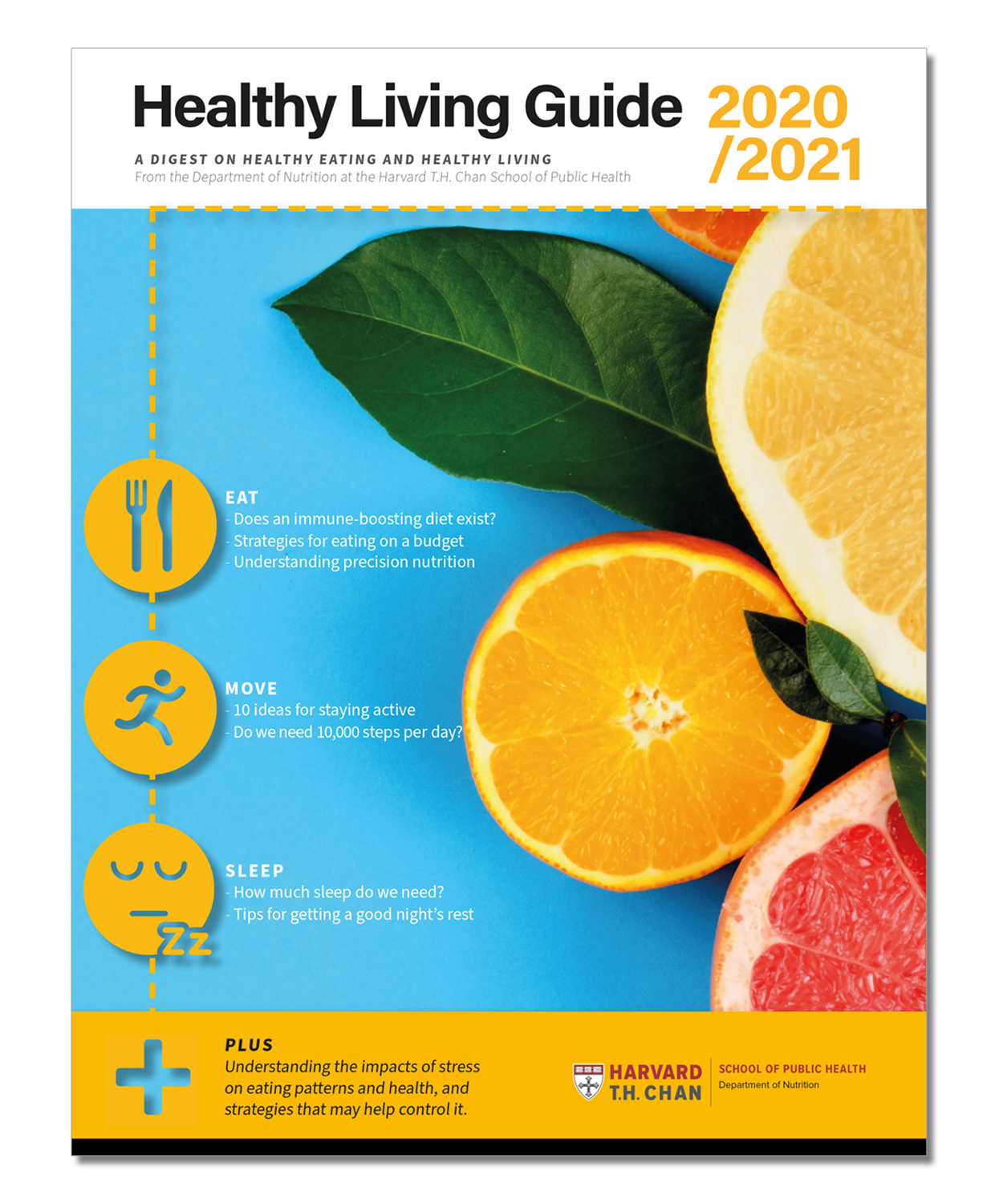
In response to these unprecedented challenges, experts in nutrition and public health have synthesized years of longitudinal research into a consolidated framework. The release of the Healthy Living Guide serves as a roadmap for those seeking to bolster their resilience, not just against viral threats, but against the long-term, systemic risks of chronic disease. By prioritizing sustainable, science-backed habits, individuals can transform their health trajectory, regardless of the external chaos of the modern world.
Main Facts: The Pillars of Longevity
The core philosophy behind the current health recommendations is simple but profound: longevity is rarely the result of a single "superfood" or a fleeting fitness trend. Instead, it is the cumulative effect of five foundational habits. Extensive research conducted by the Harvard T.H. Chan School of Public Health and other leading institutions confirms that adhering to these behaviors significantly extends both life expectancy and the quality of those years.
- Nutrient-Dense Nutrition: Moving away from processed, high-sugar, and high-sodium foods toward a diet rich in whole grains, healthy fats, plant-based proteins, fruits, and vegetables.
- Regular Physical Activity: Engaging in consistent, moderate-to-vigorous exercise that maintains cardiovascular health and muscular strength.
- Weight Management: Maintaining a body weight within a healthy, sustainable range, which reduces the systemic inflammation associated with metabolic syndrome.
- Moderate Alcohol Consumption: Limiting intake to prevent the detrimental effects of alcohol on liver function, cancer risk, and sleep quality.
- Tobacco Abstinence: Total avoidance of smoking, which remains the single most impactful change one can make to reduce the risk of respiratory and cardiovascular disease.
These five pillars are not merely suggestions; they are evidence-based interventions. The research is clear: individuals who consistently practice these habits can expect to live more than a decade longer than their counterparts who do not.
Chronology: A Crisis and a Call to Action
The urgency of this health initiative can be understood through the timeline of the global health crisis that defined the early 2020s.
- Early 2020: The rapid onset of the COVID-19 pandemic forced global lockdowns, leading to a sedentary lifestyle for millions and an increased reliance on shelf-stable, often processed, food options.
- Mid-2020: As the pandemic persisted, public health officials noted a rise in "pandemic-related stress," which exacerbated unhealthy coping mechanisms such as overeating and substance use.
- Late 2020: Researchers began analyzing the long-term impacts of the pandemic on public health. It became clear that while no specific diet provides immunity to COVID-19, a robust immune system—built through consistent healthy habits—is the best defense against severe outcomes.
- Early 2021: The launch of the Healthy Living Guide marked a proactive shift. Rather than focusing solely on viral mitigation, the focus expanded to include chronic disease prevention and mental health, providing a framework for the "new normal."
Supporting Data: The Science of Prevention
The scientific community has provided compelling data regarding the efficacy of these five habits. A hallmark study published by the Harvard T.H. Chan School of Public Health found that individuals who adopted these behaviors in middle age significantly increased the number of years they lived free from chronic conditions like type 2 diabetes, cardiovascular disease, and cancer.
The Immunity Connection
While it is essential to clarify that no diet can "cure" or "prevent" a COVID-19 infection, the biological reality remains that a well-nourished body is better equipped to mount an effective immune response. Chronic inflammation, often caused by poor diet and obesity, can lead to a dysregulated immune system. By stabilizing blood sugar and providing the body with necessary micronutrients (such as Vitamin D, Zinc, and Vitamin C found in whole foods), individuals can ensure their biological systems are optimized.
The Decade Advantage
The statistics regarding life expectancy are stark. Those who maintain these five habits are not just avoiding illness; they are actively adding "healthy years" to their lives. The research indicates that for women, the gain is approximately 14 years, and for men, it is approximately 12 years. This is not about merely extending the duration of life, but rather extending the healthspan—the period during which an individual is free from debilitating chronic disease.
Official Responses and Strategic Guidance
Public health authorities emphasize that during periods of crisis, the human tendency is to seek comfort in habits that may provide immediate relief but cause long-term harm. The Healthy Living Guide is designed to combat this tendency through structured, achievable goals.
The Role of the "Healthy Living Bingo Challenge"
Recognizing that abstract advice is difficult to implement, health educators have introduced gamified tools like the "Healthy Living Bingo Challenge." By turning the adoption of healthy habits into a series of achievable tasks, individuals are more likely to stay engaged. Whether it is trying a new fiber-rich recipe, taking a 30-minute walk, or practicing mindful meditation, these small wins build the self-efficacy required to maintain long-term change.
Addressing the "All-or-Nothing" Mentality
A significant barrier to healthy living is the perfectionist mindset. Many people abandon their health goals after a single "unhealthy" day. The guide encourages a paradigm shift: wellness is a marathon, not a sprint. During uncertain times, the goal should be "progress, not perfection." If an individual finds themselves unable to exercise for a week, the priority is simply to restart, rather than giving up entirely.
Implications for the Future of Public Health
The implications of this approach are far-reaching. As we move further into the decade, the focus of healthcare must shift from reactive treatment to proactive prevention.
Economic and Societal Impact
Chronic diseases are the leading drivers of healthcare costs worldwide. By empowering individuals with the tools to manage their own health, we can alleviate the pressure on medical systems and reduce the economic burden of chronic illness. This is not just a personal responsibility but a societal imperative. Access to fresh food, safe spaces for exercise, and mental health resources must be prioritized to ensure that everyone has the opportunity to practice these five habits.
Psychological Resilience
The intersection of mental and physical health cannot be overstated. The Healthy Living Guide acknowledges that emotional distress is a major barrier to physical health. By integrating hobbies, mindfulness, and community connection into the definition of a "healthy lifestyle," the guide recognizes that human health is holistic. When we treat our bodies with care, we are better equipped to handle the emotional stresses of a changing world.
Conclusion: A Roadmap for the Journey Ahead
As we navigate the complexities of the 21st century, the importance of maintaining a healthy lifestyle has never been more apparent. While we cannot always control the external environment, we can exert significant influence over our internal biological environment.
The Healthy Living Guide serves as an essential resource for those who wish to take control of their future. By focusing on the foundational pillars of nutrition, exercise, weight management, and responsible lifestyle choices, we create a buffer against the unpredictability of life.
Whether you are looking to improve your immune function, increase your longevity, or simply feel more vibrant in your daily life, the path forward is rooted in the consistency of small, science-backed actions. We invite you to download the guide, participate in the challenges, and begin the process of building a healthier, more resilient version of yourself. Remember, the journey to a healthier life is not defined by where you start, but by the commitment to move forward—one habit, one meal, and one day at a time.
For further resources, printable tip sheets, and detailed summaries, please visit the official Harvard Nutrition Source website to download the full Healthy Living Guide.