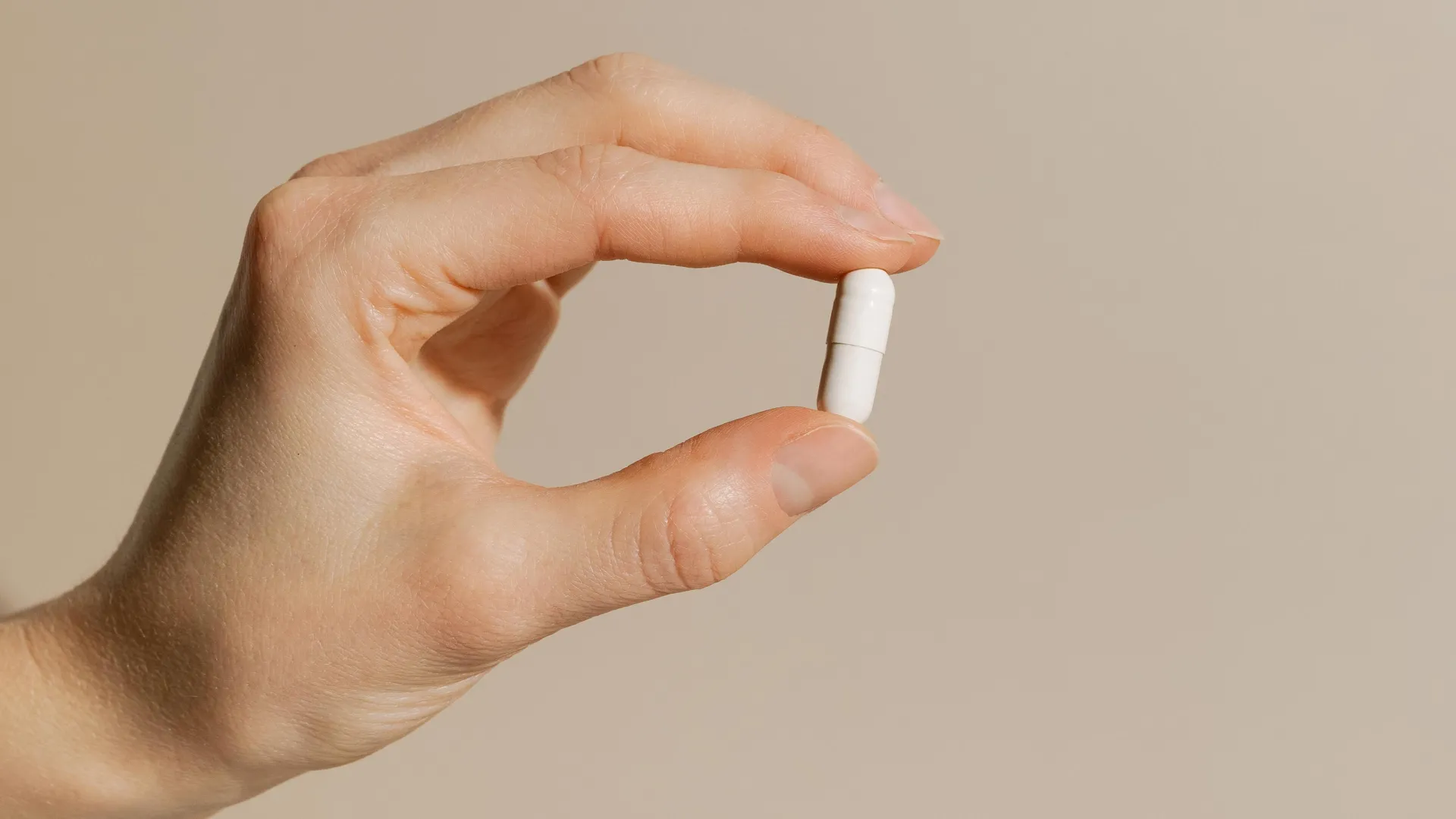
In a breakthrough study that challenges the conventional understanding of the mind-body connection, researchers at the Università Cattolica del Sacro Cuore in Milan have uncovered a counterintuitive reality: a sugar pill may be a potent tool for healthy aging, even when the recipient is fully aware that the pill contains no active ingredients.
The research, recently published in the International Journal of Clinical and Health Psychology, suggests that the power of belief—or perhaps the ritual of care—can stimulate measurable physical and cognitive improvements in older adults. Led by Diletta Barbiani, Alessandro Antonietti, and Professor Francesco Pagnini, the study posits that "open-label" placebos (OLPs) could represent a new, ethically sound frontier in geriatric care.
The Core Findings: A Surprising Paradigm Shift
The study, supported by PNRR grants through the Age-IT project, recruited 90 healthy older adults to investigate the efficacy of placebo interventions on functions that naturally decline with age. For three weeks, participants were divided into three distinct groups: a control group that received no intervention, a "deceptive" group that was told they were receiving active supplements, and an "open-label" group that was explicitly told they were taking a placebo.
The results were startling. Not only did both placebo groups outperform the control group, but the open-label participants—those who knew they were taking "nothing"—frequently outpaced those who believed they were taking a therapeutic supplement.
Data Highlights:
- Physical Performance: The deceptive group saw a 7% increase in physical function, while the open-label group saw a 9.2% improvement.
- Cognitive Gains: Improvements in memory and selective attention ranged from 12.6% to 14.6% for the deceptive group, while the open-label group saw improvements between 6.9% and 21.5%.
- Psychological Well-being: Participants who knowingly took the placebo reported the most significant reductions in perceived stress levels compared to all other groups.
Chronology: From Concept to Clinical Discovery
The study was designed to bridge a gap in existing literature regarding the aging process. While placebos have long been recognized in medicine, their application in "healthy aging" remained largely theoretical.
Phase 1: Recruitment and Baseline Assessment
The researchers recruited 90 community-dwelling older adults. Before the intervention began, the team established a comprehensive baseline. Participants underwent rigorous testing, including:
- Psychometric Questionnaires: Measuring perceived stress, sleepiness, fatigue, optimism, and self-efficacy.
- Stereotype Assessment: Gauging personal perceptions regarding the aging process.
- Objective Cognitive Testing: Evaluating short-term memory and selective attention.
- Physical Performance Metrics: Establishing a baseline for mobility and stamina.
Phase 2: The Three-Week Intervention
Participants were randomly assigned to their respective groups. The "deceptive" group was instructed that their supplements were designed to boost well-being and physical vitality. The "open-label" group was given a nuanced explanation: they were told that while the pill was inert, the act of participating in a study and the potential for a mind-body response could still trigger health benefits.
Phase 3: Post-Intervention Analysis
After 21 days, the same battery of tests was repeated. The researchers analyzed the data to determine if the expectation of a drug was necessary for the placebo effect to occur, or if the "ritual of treatment" was the true driver of the physiological change.
The Role of the Mind in Aging: Official Perspectives
Professor Francesco Pagnini, a Full Professor of Clinical Psychology at the Università Cattolica, emphasizes that this study is part of a broader, established line of research examining how the aging process is not merely a biological decline, but a psychosocial phenomenon.
"Our goal was to clarify whether an open-label placebo therapy could influence psychological, cognitive, and physical functions in older adults," Pagnini explains. "The results are quite significant. They are comparable to the effects seen in some experimental studies on physical activity and cognitive training, especially regarding memory."
Pagnini argues that the findings validate the "powerful connection between the mind and the body." He suggests that thoughts, emotions, and self-perception are not peripheral to the aging process; they are integral components that can, under the right circumstances, influence biological outcomes. By removing the element of deception, the researchers have opened a pathway for medical professionals to provide placebo-like benefits without compromising patient trust or informed consent.
Supporting Data: Understanding the "Why"
To understand why an open-label placebo would work as well as—or better than—a deceptive one, researchers looked at the psychological profiles of the participants.
The Reduction of Drowsiness and Stress
One of the most profound findings was the impact on sleepiness and stress. The open-label group reported a marked reduction in daily fatigue. This suggests that the transparency of the study may have lowered the "cognitive load" or anxiety that can sometimes accompany the pressure of "getting better" with a secret supplement. By knowing exactly what they were taking, participants in the open-label group may have experienced a higher degree of self-efficacy—the belief that they were actively participating in their own health improvement.
Memory and Selective Attention
The cognitive improvements were particularly noteworthy. Short-term memory, often the first faculty to show signs of decline in aging, saw the most consistent gains. Researchers believe that the ritual of the study—the daily act of taking a pill and the engagement with the researchers—might have acted as a form of "cognitive activation." The placebo, in this context, serves as an anchor for a more conscious focus on one’s own health and physical capabilities.
Implications: A New Approach to Geriatric Medicine?
The implications of this research are vast, particularly for public health systems facing the challenges of an aging population.
Ethical Acceptability
The primary barrier to using placebos in standard medical practice has always been ethics. Deceiving a patient—even for their benefit—violates the core tenets of clinical bioethics. By proving that open-label placebos can be highly effective, the Milan team has provided a blueprint for an "honest" placebo therapy. This approach maintains full transparency while potentially harnessing the brain’s capacity for self-regulation.
Cost-Effectiveness
As global healthcare costs skyrocket, the ability to utilize low-cost interventions that improve the quality of life for the elderly is invaluable. While this study is not suggesting that placebos replace necessary medication for serious illnesses, it provides a compelling argument for their use as an adjunct therapy for stress management, mild cognitive fatigue, and general physical performance.
Future Research Directions
The team at the Università Cattolica suggests that the next phase of this research should focus on the longevity of these effects. Does the benefit fade after the study concludes? Can the effects be sustained through ongoing mind-body interventions like mindfulness, physical exercise, or cognitive training?
Moreover, researchers are eager to investigate the neural pathways involved. Is there a specific hormonal or neurotransmitter response triggered by the open-label placebo, or is it primarily a result of the reduction in cortisol associated with lowered stress?
Conclusion: Reframing the Aging Narrative
The research led by Barbiani, Antonietti, and Pagnini invites us to reconsider the aging process. If the decline of the mind and body is not an absolute, immutable fate, but rather a trajectory that can be shifted through psychological interventions, the potential for intervention is enormous.
The study confirms that the "placebo effect" is not a sign of scientific failure or patient gullibility. Instead, it is a testament to the latent capacity of the human mind to influence its own physiological state. As the population continues to age, strategies that empower individuals to engage with their own well-being—without relying on synthetic chemical interventions—may prove to be one of the most effective tools in the longevity toolkit.
By embracing the "honest" placebo, we are not just giving people sugar pills; we are giving them a mechanism to tap into their own resilience. In the words of Professor Pagnini, this is a significant step toward a more holistic, mind-centered approach to aging, proving that sometimes, the most effective medicine is the one that forces us to look inward at the power of our own perceptions.