









In the high-stakes world of oncological research, where every micro-discovery can represent the difference between life and death for patients, Dr. Xin Meng stands out not only for her technical brilliance but for the profound human narrative that drives her work. Based at Yale University, Dr. Meng is currently pioneering research into chronic lymphocytic leukemia (CLL) and mantle cell lymphoma (MCL)—two aggressive cancers that often present limited options once traditional treatments fail.
Through a combination of innovative molecular biology and a commitment to clinical translation, Dr. Meng’s work is turning the tide for patients facing treatment-resistant lymphoma. Her research, supported by the Lymphoma Research Foundation, focuses on disrupting the survival mechanisms of malignant B-cells, offering a new horizon of hope for those who have exhausted standard protocols.
The Genesis of a Mission: A Personal Chronology
Dr. Meng’s trajectory into the field of immunology was not a conventional academic path; it was forged in the crucible of real-world necessity. Growing up in a small town with limited medical infrastructure, she witnessed firsthand the despair that accompanies a life-threatening diagnosis when resources are scarce.
A Defining Moment
The turning point in her life occurred when a young girl in her community was diagnosed with lymphoma. With few medical professionals in the vicinity, the girl’s family turned to a young Meng, who possessed an early affinity for medical science. Recognizing the urgency, Meng took on the role of advocate, navigating the complex medical landscape to ensure the child received appropriate care and organizing community fundraising efforts to bridge the financial gap.
Witnessing the child’s successful recovery and subsequent return to a normal, healthy life had a transformative effect on the young student. It solidified a singular realization: effective, accessible treatment is the most powerful tool in medicine. This experience served as the catalyst for her formal education, leading her to the Shanghai Medical College at Fudan University, where she pursued rigorous training in immunology.
Academic Evolution
Following her foundational training, Dr. Meng transitioned into advanced research, focusing on the intricate mechanisms of B-cell biology. Her career has been marked by a relentless pursuit of understanding how cancer cells manipulate their environment to survive. By moving from the bedside of her hometown patient to the laboratory bench at Yale, she has spent years unraveling the molecular "hidden doors" that allow lymphoma cells to thrive despite chemotherapy.
Decoding the Enemy: The Molecular Mechanism
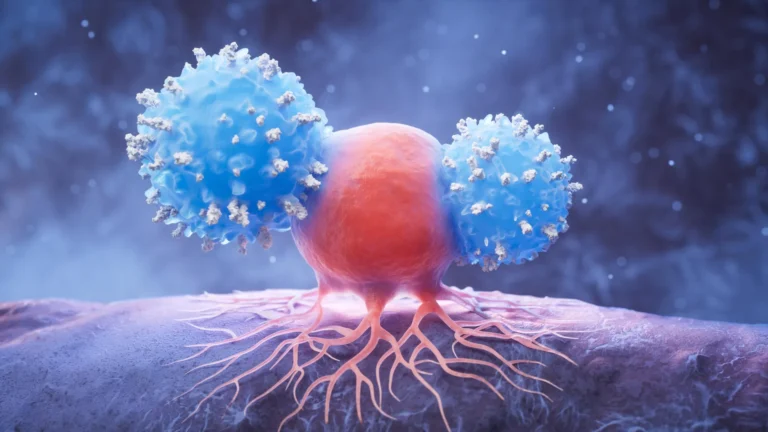
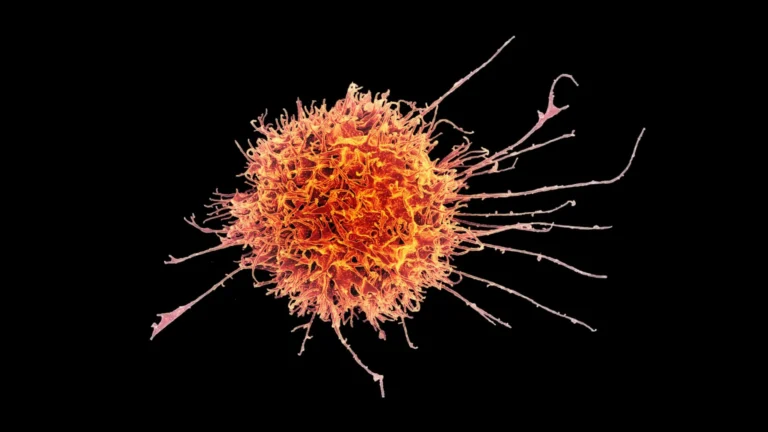
The core of Dr. Meng’s current research lies in a specific, often overlooked process within malignant B-cells: protein degradation. Her laboratory has identified a unique biological mechanism that allows CLL and MCL cells to "clean house," removing key proteins that would otherwise trigger cell death or signal the immune system to intervene.
Turning Biology Against Itself
Dr. Meng’s team has discovered that by inhibiting this removal process, researchers can force a lethal buildup of specific proteins within the cancer cell.
- The Chain Reaction: Once these proteins accumulate, they trigger an internal cellular cascade that shuts down the essential gene networks required for the cancer cell’s survival.
- Targeted Vulnerability: In essence, Dr. Meng is not merely killing the cell with external toxicity; she is forcing the cell to commit suicide by overloading it with its own necessary components.
Leveraging Existing Pharmacology
Perhaps the most significant aspect of this research is its potential for rapid clinical application. Rather than starting from the discovery of new, unproven compounds—a process that can take decades—Dr. Meng is investigating existing, FDA-approved medications that have historically been used for entirely different diseases.
By repurposing these drugs, Dr. Meng aims to bypass the lengthy and often prohibitively expensive phases of early safety trials. Her team is currently evaluating which of these known medications demonstrate the highest efficacy against the specific protein-removal pathways identified in CLL and MCL, and how they can be combined with existing standard-of-care treatments to maximize patient outcomes.
Supporting Data: Addressing the Relapse Crisis
Chronic lymphocytic leukemia and mantle cell lymphoma are notoriously resilient. While initial treatments often yield positive results, the "relapse phenomenon"—where the cancer returns, often more resistant to therapy than before—remains the greatest hurdle in hematologic oncology.
Clinical Need for Novel Pathways
According to current oncological data, patients who experience resistance to first-line Bruton’s tyrosine kinase (BTK) inhibitors or standard chemo-immunotherapy face a significant drop in survival rates. Dr. Meng’s work specifically targets the biological pathways that arise after these drugs lose their effectiveness.
By identifying these "escape routes" early in the disease progression, her research provides a secondary line of defense. The ability to switch to a different mechanism of action—the protein-degradation blockade—offers a critical lifeline to patients who have been told they have run out of options.
Official Perspectives: An Investment in Potential
The support provided by the Lymphoma Research Foundation has been instrumental in transitioning Dr. Meng’s work from theoretical framework to active investigation. For the Foundation, backing Dr. Meng was not simply about funding a specific project; it was about investing in a researcher whose background brings a unique, patient-centric perspective to the laboratory.
The Foundation’s Stance
In their assessment of the project, Foundation officials highlighted the dual value of Dr. Meng’s work: the scientific ingenuity of her protein-degradation hypothesis and her ability to bridge the gap between academic research and real-world, accessible healthcare. By supporting researchers like Dr. Meng, the Foundation aims to decentralize high-level medical innovation, ensuring that insights gained at elite institutions like Yale eventually reach the types of underserved communities where Dr. Meng began her journey.
The Implications: A New Era of Accessible Oncology
The implications of Dr. Meng’s research extend far beyond the laboratory walls at Yale. If her clinical trials confirm that existing, low-cost, or widely available medications can effectively treat resistant lymphoma, the impact on global health equity will be substantial.
A Message of Empowerment
Dr. Meng often reflects on what this research means for the scientific community at large. "This grant affirmed that my background—coming from a small town, being part of a community where medical resources are limited—doesn’t limit my potential," she notes. Her career is a testament to the idea that diversity in the scientific workforce brings new questions to the table, leading to more inclusive and creative problem-solving.
Future Outlook
Looking ahead, Dr. Meng remains committed to the highest level of scientific rigor. Her team is currently in the optimization phase, fine-tuning the dosages and combinations of drugs that will provide the most potent effect with the fewest side effects for patients.
For the thousands of families currently navigating the uncertainty of a CLL or MCL diagnosis, Dr. Meng’s work offers a tangible, data-backed reason for optimism. By turning the cancer’s own biological survival strategies against it, she is proving that even the most stubborn diseases have hidden vulnerabilities.
Conclusion
Dr. Xin Meng’s story is a powerful reminder of the cyclical nature of medical progress. She began her path by trying to help one girl in a small town find the medical care she needed; she is now designing the treatments that will define the future of care for thousands. Through her innovative approach to B-cell lymphoma and her unwavering commitment to the patients behind the statistics, Dr. Meng is not just advancing the field of oncology—she is fulfilling a promise to the community that first inspired her. As her research progresses, the medical community waits with anticipation for the day these therapies move from the laboratory to the clinic, offering a new, accessible chapter in the fight against lymphoma.