Introduction: The Challenge of Classical Hodgkin’s Lymphoma
Classical Hodgkin’s lymphoma (cHL) represents a significant clinical challenge within the landscape of hematologic malignancies. While it is frequently categorized as a highly curable disease—particularly among adolescents and young adults—the medical community remains acutely aware of the "unmet need" that persists for those whose disease does not respond to standard frontline chemotherapy.
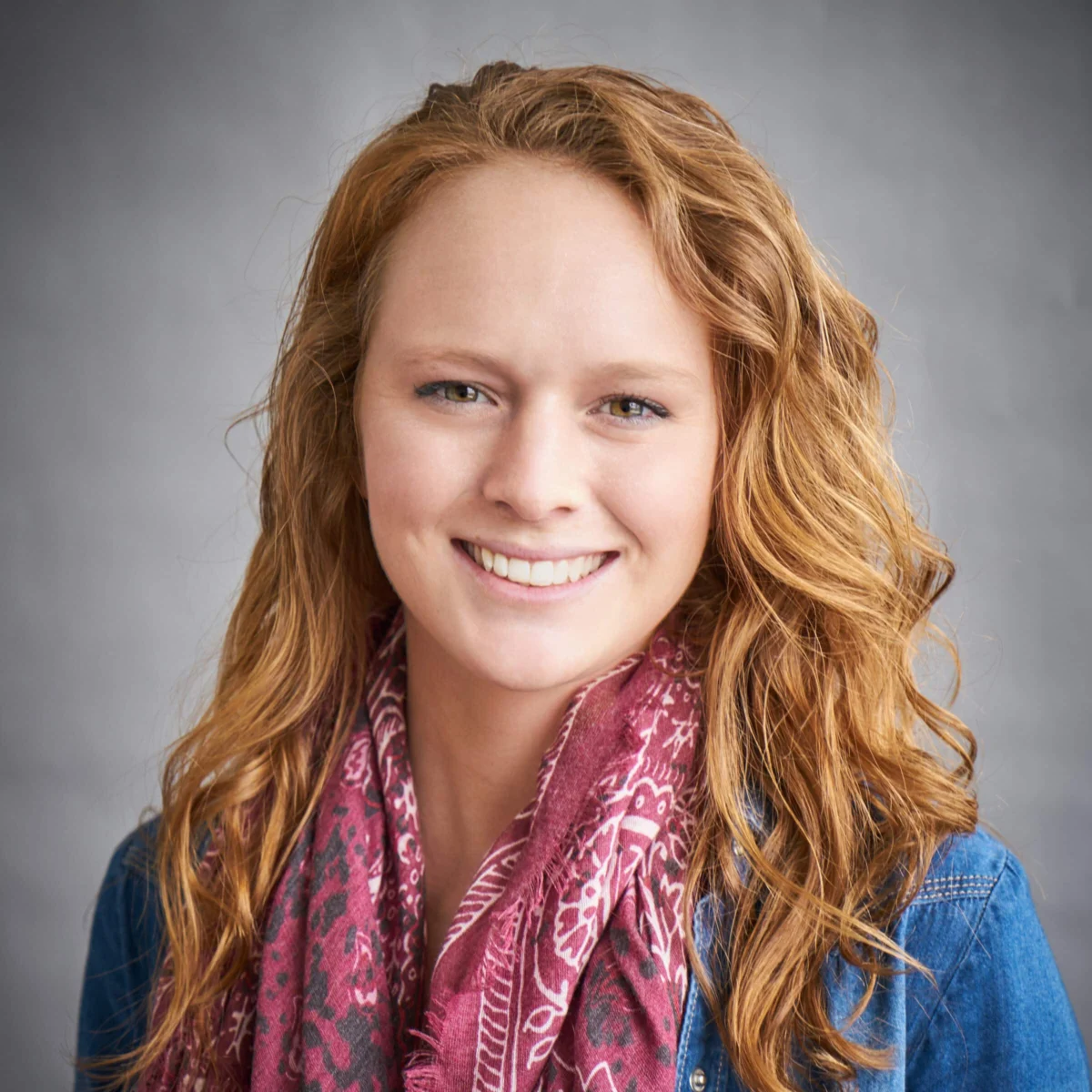
For the small but critical subset of patients who face relapse or primary refractory disease, the prognosis has historically been more guarded. However, a new wave of research led by Dr. Shelby Sloan, a dedicated postdoctoral fellow at The Ohio State University, is shifting the paradigm. By focusing on the intersection of cellular engineering and tumor microenvironment modulation, Dr. Sloan is pioneering a novel chimeric antigen receptor (CAR) T-cell therapy designed to dismantle the very mechanisms that allow lymphoma to evade immune surveillance.
The Core Innovation: Dual-Targeting CAR T-Cell Therapy
At the heart of Dr. Sloan’s research is a sophisticated approach to CAR T-cell therapy. Traditionally, CAR T-cell therapies have been designed to identify a specific antigen on the surface of a malignant cell, signaling the T-cell to bind and destroy the target. While successful in various leukemias, solid tumors and specific lymphomas often utilize an "immunosuppressive shield" to neutralize these therapeutic efforts.
Unmasking the Microenvironment
Dr. Sloan’s research identifies a dual-target strategy. Her engineered T-cells are designed to recognize a protein present not only on the surface of cHL tumor cells but also on the immune cells that populate the tumor microenvironment.
"These defective immune cells surrounding the tumor act as a biological blockade," Dr. Sloan explains. "They effectively suppress the body’s natural immune response, creating a protective barrier that hinders the ability of our natural T-cells to eliminate the cancer. By targeting both the malignant cells and the immunosuppressive cells surrounding them, we can essentially strip away that shield. This provides our engineered CAR T-cells with direct, unobstructed access to the tumor, significantly increasing the efficacy of the treatment."
Chronology: From Academic Foundation to Clinical Ambition
Dr. Sloan’s trajectory reflects a deep commitment to both basic immunology and translational medicine. Her journey has been marked by a rigorous pursuit of knowledge, moving from foundational graduate work to specialized postdoctoral research.
- Graduate Foundations (The Ohio State University): During her doctoral training, Dr. Sloan immersed herself in the complexities of hematology. It was here that she identified the specific gaps in conventional chemotherapy, noting that while cytotoxic drugs kill rapidly dividing cells, they often fail to address the underlying immune dysfunction that allows lymphoma to recur.
- Postdoctoral Fellowship: Currently serving as a postdoctoral fellow in immunology and hematology, Dr. Sloan has transitioned from theoretical research to the design of actionable, cell-based therapies.
- The Foundation Support: With the support of recent grant funding and institutional backing, her work has gained the momentum required for preclinical validation. Her goal is to establish a robust clinical research program that bridges the gap between the laboratory bench and the patient’s bedside, specifically targeting the unique physiological needs of young lymphoma patients.
Supporting Data: The Landscape of Immunotherapy
To understand the significance of Dr. Sloan’s work, one must consider the current state of lymphoma treatment. Immunotherapy has moved from the periphery of oncology to the center of standard care.
The Rise of CAR T-Cell Technology
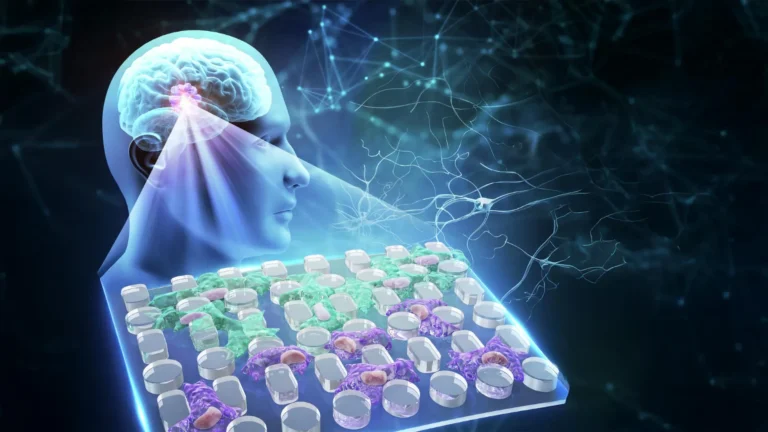
CAR T-cell therapy involves extracting a patient’s T-cells, genetically modifying them in a laboratory to express a chimeric antigen receptor, and reinfusing them into the patient. While this technology has revolutionized the treatment of B-cell malignancies, its application in cHL has been limited by the tumor’s ability to "hide."
According to current oncological data, patients who fail initial chemotherapy often face a cycle of high-dose salvage therapy followed by stem cell transplantation. The toxicity associated with these regimens is significant. Dr. Sloan’s approach offers a potential "living drug" alternative—a personalized therapy that could theoretically offer a durable remission without the systemic toxicity of repeated high-dose chemotherapy.
Immunology and Tumor Evasion
Research in the tumor microenvironment has confirmed that Hodgkin’s lymphoma is characterized by a high infiltration of regulatory immune cells. These cells secrete cytokines that dampen the cytotoxic activity of T-cells. By targeting these specific cells, Dr. Sloan is addressing the "immune exhaustion" that occurs in the tumor environment, a frontier that is currently the subject of intense global research.
Official Perspectives and Expert Context
Dr. Sloan’s work is being closely watched by the broader hematology-oncology community. As she notes, the future of oncology lies in "harnessing the power of the body’s naturally evolved cancer detection and elimination tactics."
"We are moving toward an era of ‘smart’ medicine," Dr. Sloan asserts. "If we can understand why the immune system has failed to detect and eliminate lymphomas in the first place, we can engineer personalized targeted therapies to enhance or retrain the system. It isn’t just about killing the cell; it’s about restoring the patient’s internal defense system."
This perspective is shared by many leading researchers who argue that the future of cancer treatment is no longer just about the drugs we administer, but about the instructions we give to the patient’s own biological machinery.
Implications: The Future of Lymphoma Treatment
The potential impact of Dr. Sloan’s research on the lives of adolescents and young adults cannot be overstated. For a young person diagnosed with lymphoma, the hope for a cure is often tempered by the fear of long-term side effects from aggressive chemotherapy and the persistent anxiety of potential relapse.
A Personalized Paradigm
By refining CAR T-cell therapy, Dr. Sloan is working toward a future where:
- Reduced Toxicity: Treatments are more selective, reducing damage to healthy tissue.
- Increased Durability: Because T-cells can persist in the body, the therapy may provide long-term surveillance against the return of the disease.
- Improved Quality of Life: By avoiding the need for repeated, aggressive chemotherapy, patients can maintain a better quality of life during and after treatment.
Looking Ahead
Dr. Sloan’s commitment to building a clinical research program at The Ohio State University underscores a dedication to the long-term sustainability of this research. As she continues her work, the focus will likely shift from the laboratory toward clinical trials, where the true efficacy and safety profile of this dual-targeting approach will be tested.
The scientific community recognizes that while the road to clinical approval is long and arduous, the methodology being employed by Dr. Sloan represents a vital advancement. By "retraining" the immune system rather than simply overwhelming it with toxins, researchers are moving closer to a reality where Hodgkin’s lymphoma is not just a manageable condition, but one that can be definitively eradicated for even the most difficult-to-treat cases.
Conclusion
Dr. Shelby Sloan’s research serves as a beacon of progress in the field of hematology. By tackling the complex, immunosuppressive environment that protects Hodgkin’s lymphoma cells, she is addressing one of the most stubborn hurdles in modern oncology. With her background at The Ohio State University and her forward-thinking approach to cellular immunotherapy, Dr. Sloan is poised to make a lasting contribution to the lives of young patients. Her work reminds us that the key to curing cancer may well reside within the very immune systems that have, until now, remained silent in the face of disease. As she moves forward with her research, the medical community waits with anticipation, hopeful that her dual-targeting CAR T-cell therapy will indeed prove to be the breakthrough needed to finally dismantle the shield of Hodgkin’s lymphoma.