








For 55-year-old Edward (Ed) Waldner, the onset of his illness was as insidious as it was exhausting. For months, he wrestled with a persistent, bone-deep fatigue that defied explanation, regardless of his daily activity levels. Initially, he suspected something as common as sleep apnea, but as the weeks progressed, more alarming neurological symptoms began to manifest. He noticed subtle, involuntary changes in his gait—a dragging of his heels that signaled something far more complex than simple exhaustion.
When his condition reached a breaking point, a visit to the Emergency Department revealed the terrifying reality: a mass on his brain. The subsequent diagnosis was glioblastoma, an aggressive and notoriously lethal form of brain cancer. For Waldner, and for thousands of others diagnosed with this condition annually, the standard prognosis is often bleak, involving surgery, radiation, and chemotherapy. Yet, in the face of these daunting odds, a team of researchers at the University of Calgary is pioneering a potential breakthrough, investigating whether a simple, high-dose vitamin—niacin (Vitamin B3)—might hold the key to turning the tide.
The Chronology of a Medical Mystery
The journey to the current clinical trial began not in a hospital ward, but in the laboratory of Dr. Wee Yong, a neuroscientist at the Cumming School of Medicine (CSM) and a member of the Hotchkiss Brain Institute. Dr. Yong’s career has long been dedicated to understanding the intricate, often adversarial relationship between the immune system and the brain.
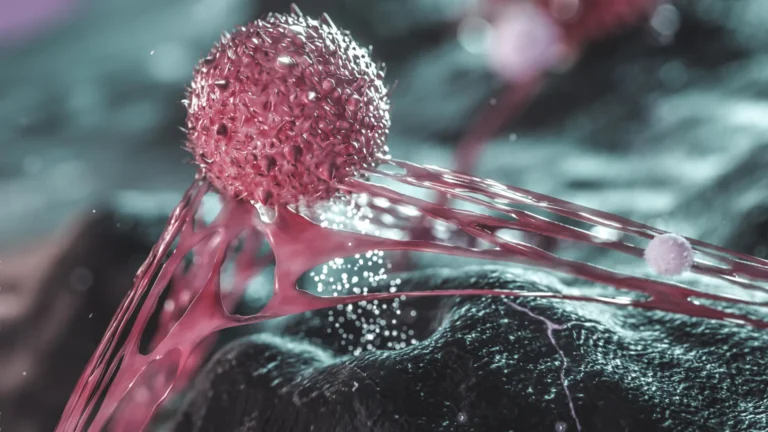
For years, the medical community has recognized that glioblastoma is uniquely adept at survival. It does not merely grow; it actively suppresses the body’s natural defenses. The cancer cells release signals that "blind" the immune system, rendering it ineffective against the tumor’s expansion. Dr. Yong’s team theorized that if they could "reawaken" these dormant immune cells, the body might be able to fight back.
Through early laboratory experiments, the team discovered that high doses of niacin could potentially restore the function of weakened immune cells. The results in animal models were compelling: niacin appeared to extend survival rates by effectively stripping the cancer of its cloak of invisibility. These promising preclinical findings provided the necessary justification for Drs. Yong and Gloria Roldan Urgoiti, a brain cancer specialist at the Arnie Charbonneau Cancer Institute, to transition the research into a Phase I and II clinical trial involving human participants.
For patients like Ed Waldner, this trial offered a lifeline when standard options felt insufficient. "When I left the hospital after surgery, I was told, ‘That’s it, that’s all we can do,’" Waldner recalls. Being invited to participate in the study provided him with a renewed sense of agency. "I have no problem trying to help anybody. I agreed. I want to help myself, too. I can tell you being part of this research helps me mentally because we’re trying."
The Science of Rejuvenation: How Niacin Works
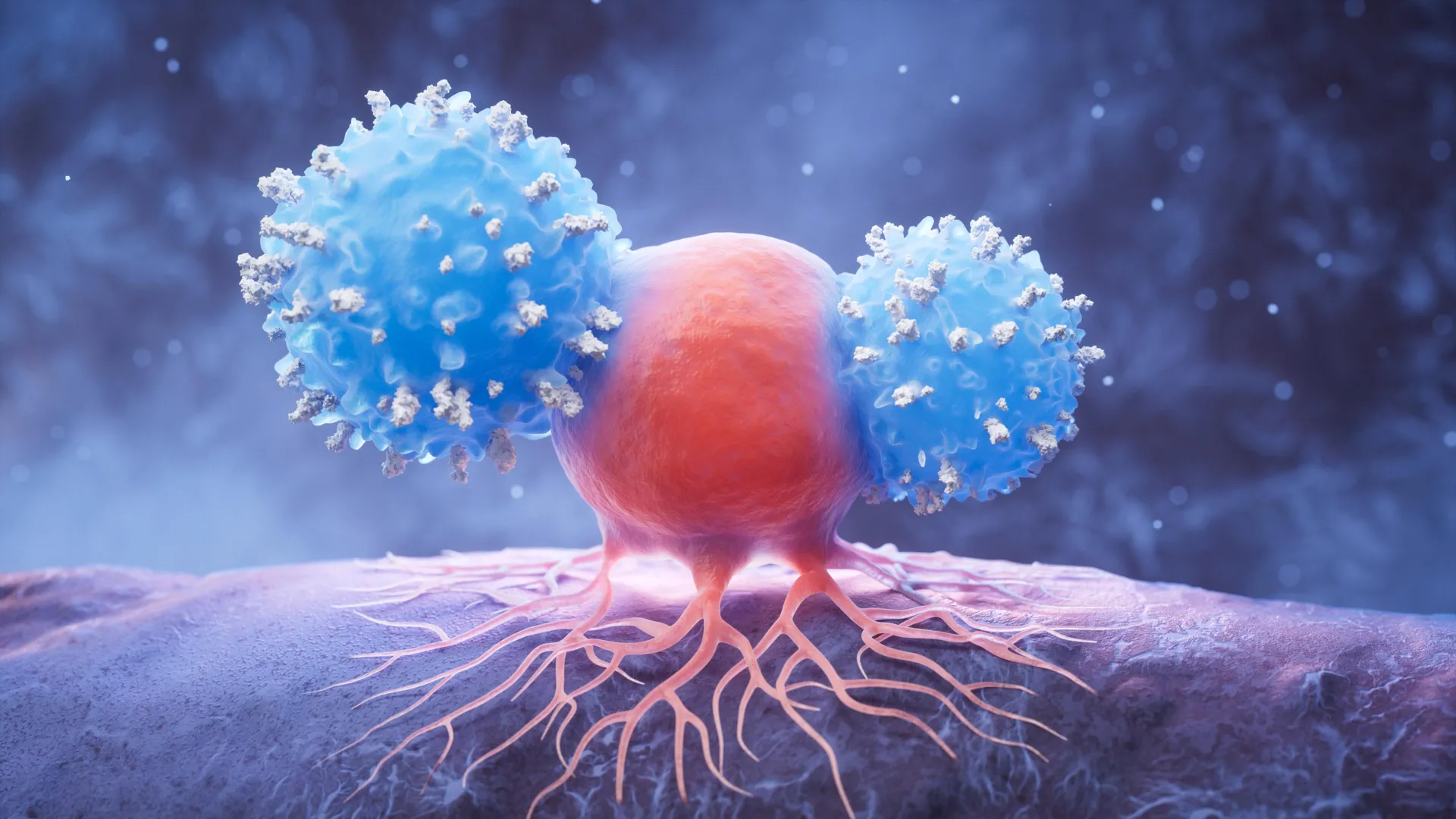
The mechanism behind the therapy is rooted in cellular metabolic health. In the context of a brain tumor, the immune system’s "soldiers"—specifically T-cells—become exhausted and dysfunctional. They lose the metabolic capacity to mount a sustained attack.
Dr. Yong describes the process as a literal "battle for the brain." By administering controlled-release niacin, the researchers aim to rejuvenate these immune cells. Once restored, these cells regain the ability to identify and infiltrate the tumor, effectively attacking it from within.
However, the administration of this treatment is not as simple as taking a daily multivitamin. The clinical trial was meticulously designed to establish the highest safe dose of niacin while integrating it alongside the gold-standard treatment regimen: surgery followed by radiotherapy and chemotherapy. The researchers established a rigorous benchmark for success: if the six-month progression-free survival rate did not improve by at least 20 percent over historical data, the trial would be halted.
Supporting Data: Exceeding Expectations
The early results, recently published in the Journal of Neuro-Oncology, have exceeded the expectations of even the most optimistic researchers. Analyzing the data from the first 24 patients, the team observed that 82 percent of participants showed no signs of disease progression at the six-month mark.
This 82 percent success rate represents a 28 percent improvement over previous historical studies. For a disease that has seen virtually no significant changes in survival outcomes for over two decades, this represents a statistically significant signal. While the researchers are careful to characterize these as "early findings," the data provides a strong foundation for the continued expansion of the study.
The team aims to enroll a total of 48 participants by the end of 2026 or early 2027, at which point a final analysis will be conducted. This larger sample size will be critical in confirming whether the initial success can be replicated across a broader patient demographic.
Official Responses and Clinical Caution
The medical community is reacting to these findings with a mix of cautious optimism and professional restraint. Dr. Roldan Urgoiti emphasizes the gravity of the situation: "Glioblastoma is the most aggressive brain cancer in adults. Anything that may help should be explored, but it requires strict protocols and safety monitoring."
It is a vital distinction that the researchers emphasize: this is not a recommendation for patients to begin self-medicating with niacin. High doses of vitamins, while seemingly innocuous, can be highly toxic and potentially harmful if taken without clinical supervision. The "controlled-release" nature of the niacin used in the trial is a specific medical formulation, and the dosing schedule is calibrated based on individual patient profiles and blood chemistry.
"We are not talking about dietary supplements in the traditional sense," says Dr. Yong. "We are talking about a targeted therapeutic dose that must be monitored by oncologists who are experts in the specific interactions between this compound and the aggressive nature of brain tumors."
Implications: A New Frontier in Neuro-Oncology
The implications of this research extend far beyond the potential of vitamin B3 itself. If niacin can successfully "rearm" the immune system against glioblastoma, it opens the door to a new class of adjuvant therapies—treatments that, while not curative on their own, significantly enhance the efficacy of traditional chemotherapy and radiation.
For Ed Waldner, the results have been tangible. During his regular follow-up scans, he reports feeling "very well." His experience is currently defined by the best possible word a glioblastoma patient can hope to hear from their medical team: stable.
While the path to a permanent cure for glioblastoma remains long and fraught with challenges, the work being done at the University of Calgary offers a glimpse into a future where the brain’s own immune system is empowered to participate in the recovery process. The research, supported by the Canadian Institutes of Health Research and the Alberta Cancer Foundation, serves as a testament to the power of interdisciplinary collaboration.
As the study moves toward its conclusion in the coming years, the medical world will be watching closely. If the current trajectory holds, the humble B-vitamin—a molecule long understood in nutritional science—may well be repurposed into a powerful weapon in the most difficult battle in modern medicine. For patients like Ed, the research is more than just data; it is the difference between being told there is nothing left to do and having a reason to hope for a future.