










By Sree Roy
For decades, the gold standard for measuring the effectiveness of treatments for excessive daytime sleepiness (EDS) has remained tethered to a rigid, binary metric: how many minutes can a patient stay awake? Through the Maintenance of Wakefulness Test (MWT) and the Multiple Sleep Latency Test (MSLT), clinicians have relied on "sleep onset latency" to gauge whether a drug is working.
However, new clinical data presented at SLEEP 2026 suggests that this traditional approach is fundamentally incomplete. By focusing exclusively on the "time to sleep," the medical community has inadvertently ignored the "quality of wakefulness"—the periods of cognitive flickering that plague patients living with narcolepsy type 1 (NT1). New phase 3 research into the orexin agonist oveporexton, a Takeda Pharmaceuticals candidate, indicates that the true measure of a successful treatment may lie in the reduction of "microsleeps"—fleeting, 3- to 15-second intrusions of sleep that occur long before a patient officially "falls asleep."
The Limitations of Traditional Metrics
In a standard clinical trial, mean sleep onset latency provides a tidy, quantifiable number. It offers regulatory bodies a clear benchmark: if a drug increases the number of minutes a patient remains awake during a 40-minute MWT trial, it is considered effective. But this numerical success often masks a subjective reality.
A patient may technically remain "awake" for the duration of a test, even if they experience dozens of three-second microsleeps during that window. In a laboratory setting, this is recorded as a successful trial. In the real world, those three seconds could occur while the patient is operating a motor vehicle, attending a critical meeting, or navigating a busy intersection.
"The microsleeps present a better way to describe the effect that oveporexton has on wakefulness in real-life circumstances," says Elena Koundourakis, PhD, global program leader for the Takeda orexin franchise. "It really contributes to the ‘quality of the wake’ of patients. In the MWT, they may force themselves to stay awake, but the microsleeps reveal their true burden."
The First Light and Radiant Light Studies: A Chronology
The paradigm shift toward tracking microsleeps is anchored in the results of two pivotal phase 3 studies: The First Light and The Radiant Light. These studies, which enrolled a combined total of 263 participants aged 16 to 70, were designed to assess the efficacy of oveporexton in managing the debilitating symptoms of NT1.
The Study Structure
- The First Light: This study involved 158 participants and served as the primary assessment of efficacy and safety.
- The Radiant Light: With 105 participants, this study provided crucial data on long-term outcomes and secondary endpoints.
- Methodology: Participants were randomized to receive either 1 mg or 2 mg doses of oveporexton or a placebo, with the first dose administered at 8 AM. To capture the natural fluctuations in sleepiness throughout the day, the MWT sessions consisted of four 40-minute wake trials conducted at 10 AM, 12 PM, 2 PM, and 4 PM.
Supporting Data
While the primary endpoint focused on traditional sleep onset latency, the exploratory data regarding microsleeps provided a striking contrast. Researchers found that oveporexton not only delayed the onset of the first microsleep but also significantly reduced the overall frequency of these intrusions compared to the placebo group. The study, led by Yishu Gong, PhD, MPH, and colleagues, utilized AI-derived sleepiness scores from electroencephalography (EEG) recordings to identify these brief lapses, effectively bridging the gap between clinical trial metrics and the daily realities of NT1.
Bridging the Gap: AI and Granular EEG Scoring
For sleep technicians and clinicians, identifying these 3- to 15-second events has historically been labor-intensive. Traditional sleep staging relies on 30-second "epochs." If a patient experiences a brief lapse, it is often lost in the broader categorization of wakefulness.
The Takeda trials utilized AI-driven scoring to overcome this. By analyzing the quality of the wake period prior to sleep onset, researchers were able to quantify the "micro-architecture" of alertness. This shift toward high-resolution data suggests a future where automated systems could assist in identifying these brief but clinically significant events. Such systems provide physicians with a more complete "wakefulness profile," allowing for a more nuanced understanding of how a patient functions throughout their day, rather than just their ability to remain "awake" under controlled conditions.
Official Responses and Clinical Implications
The clinical community is beginning to take notice of these findings. The ability to "clean up" the wake period—eliminating the background noise of microsleeps—offers a much stronger argument for a drug’s functional efficacy than simply extending the duration of wakefulness.
"Microsleeps seem to be a really quite important real-life outcome that clinicians can grasp," Koundourakis notes. "It speaks to the limitations of the MSLT and MWT. There seems to be a growing willingness to adopt microsleeps in clinical practice as a legitimate marker of treatment response."
The safety implications of this research are profound. For many patients with narcolepsy, the fear of a sudden "sleep attack" is secondary to the constant, low-level intrusion of microsleeps that degrade cognitive function. Driving is perhaps the most critical application of these findings. Many patients report that they have stopped driving altogether, even while on standard treatments, due to the unpredictability of their alertness. By reducing the frequency of microsleeps, oveporexton potentially offers a path back to safer, more independent daily functioning.
The Future: Moving Toward Digital Biomarkers
As we move beyond the laboratory, the potential for microsleeps to serve as a digital biomarker is gaining traction. The traditional "once-a-year" lab visit is becoming an increasingly antiquated model for chronic condition management.
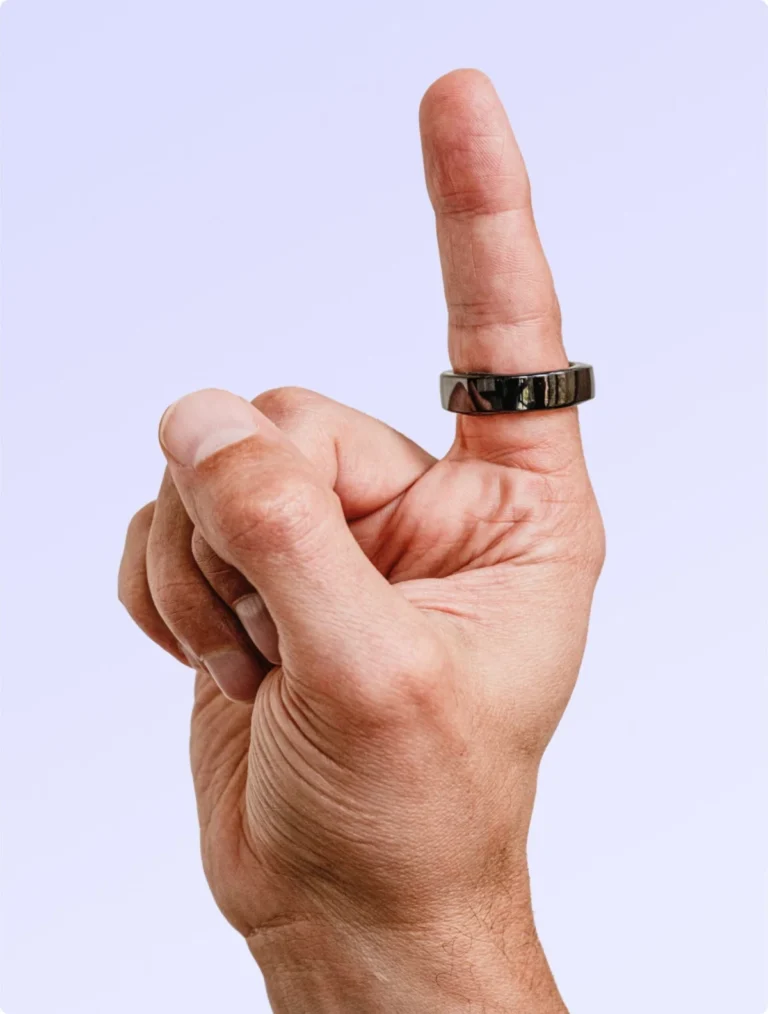
With the rapid advancement of wearable technology and home-based EEG monitoring, the dream of longitudinal, real-world monitoring is becoming a reality. In the near future, physicians may be able to track "quality of wake" trends over weeks or months, rather than relying on a four-hour snapshot taken in an artificial environment. This would allow for personalized medicine at an unprecedented level—where dosage and timing of orexin agonists can be adjusted based on the patient’s actual, day-to-day experience.
For the sleep physician, these findings provide a necessary paradigm shift. When a patient reports feeling "better" on a specific medication, even if their traditional MWT scores remain similar to those on previous treatments, the clinician now has a scientific basis for that improvement. The reduction in microsleep intrusions is a measurable, physiological indicator of improved cognitive health.
Conclusion: A More Human-Centric Approach to Sleep Medicine
The data presented at SLEEP 2026 marks a turning point in the treatment of narcolepsy. By moving the conversation from the binary of "sleep vs. wake" to the nuanced spectrum of "quality of wake," the medical field is finally aligning its diagnostic tools with the lived experiences of patients.
Oveporexton’s performance in the First Light and Radiant Light studies serves as a proof of concept for this new approach. It demonstrates that the most important improvements in a patient’s life may not be found in how long they can keep their eyes open in a dark, quiet room, but in how effectively they can navigate the world without the dangerous, fleeting intrusions of microsleeps. As this research continues to mature, it will likely pave the way for a more sensitive, accurate, and ultimately more effective standard of care for those living with narcolepsy.
Reference
Gong Y, Maski K, Mignot E, et al. 0742 Treatment with an orexin agonist reduces microsleeps and improves wakefulness during MWT in people with NT1: Phase 3 results. Sleep. 2026 May;49(Suppl 1):A331.