




By Editorial Staff
Living with chronic pain is often described as a life of quiet negotiation. It is a daily, relentless dialogue between the body’s physical limitations and the spirit’s desire to function. For millions of Americans, the landscape of daily existence is defined by invisible boundaries—routines meticulously crafted to manage flare-ups, energy conservation tactics, and a necessary, often isolating, adherence to predictability.
However, a growing movement within the chronic pain community is challenging the notion that these boundaries are permanent. Through the U.S. Pain Foundation’s daily peer support initiatives, individuals are discovering that the act of "showing up"—even in the face of debilitating physical discomfort—can be a powerful catalyst for personal growth. At the center of this shift is Michele Rice, a long-time chronic pain advocate who has transformed her own struggle into a source of communal strength.
The Anatomy of the Daily Struggle: Defining the Boundaries
To understand the significance of this movement, one must first understand the reality of chronic pain. According to the Centers for Disease Control and Prevention (CDC), an estimated 50 million U.S. adults live with chronic pain. For many, the "lines" drawn around their lives are not metaphors; they are biological requirements.
For Michele Rice, the mornings were the most rigid of these boundaries. "I’m not someone who jumps out of bed ready to start the day," Rice explains. "It takes me a long time to get moving. My body is stiff, my pain is loud, and my brain feels slow to wake up."
For the chronic pain patient, routine is not just a preference; it is a clinical survival mechanism. Deviating from a sleep schedule, a medication regimen, or a specific movement routine can trigger significant setbacks. Consequently, the idea of committing to a daily, morning-based leadership role in a support group seemed, at first, fundamentally incompatible with the reality of her condition.
Chronology of a Shift: From Isolation to Connection
The transition from a solitary management strategy to a communal leadership role did not happen overnight, nor was it planned. The U.S. Pain Foundation, recognizing the critical need for consistent peer support, found itself in a position where its daily morning peer support group required a new moderator.
The timeline of Rice’s decision-making process was instantaneous, bypassing the typical analytical hurdles that usually accompany such a decision for a chronically ill person.
- The Catalyst: Rice learned that the support group, a vital lifeline for many, was at risk of losing its consistent structure.
- The Impulse: Rather than weighing the potential toll on her own health, Rice focused on the potential impact on the community. She prioritized the needs of the members who relied on the morning check-in to start their day.
- The Commitment: Rice stepped into the role of moderator. This initial leap of faith moved her from being a participant to being a pillar of the group.
- The Adaptation: Over the subsequent weeks, the daily routine that Rice once feared became a crucible for resilience. The act of "showing up"—logging into a video call while experiencing physical pain or mental fatigue—began to reshape her internal narrative.
Supporting Data: The Clinical Efficacy of Peer Support
While the emotional benefits of support groups are often highlighted, the clinical data suggests that peer-led initiatives provide tangible, measurable health outcomes. Research published in the Journal of Pain Research indicates that social isolation is a significant predictor of poor outcomes in chronic pain patients. Peer support networks act as a buffer against the depression, anxiety, and catastrophic thinking often associated with long-term pain.
Furthermore, the "helper therapy principle"—the psychological phenomenon where individuals who provide help to others receive therapeutic benefits themselves—is clearly at play in the U.S. Pain Foundation’s model. By facilitating discussions, Rice found that the energy she invested in others was returned to her.
"I started the group thinking I was offering support," says Rice. "But what I discovered is that support flows in every direction. The people who attend the group have lifted me up just as much as I hoped to lift them."
Perspectives from the Community: An Official View
The U.S. Pain Foundation has long advocated for a multi-modal approach to pain management, one that includes not just medical intervention but psychological and social support.
"The role of the facilitator is often understated," says a spokesperson for the Foundation. "It isn’t just about managing a conversation; it is about holding space for people who are often marginalized by the medical system. When someone like Michele steps up, it validates the experience of every single person in that virtual room. It shifts the dynamic from ‘patient’ to ‘partner’ in the healing process."
These groups serve as a vital supplement to clinical care. While doctors manage the physiology of pain, peer groups manage the experience of pain. They provide a safe harbor for the honesty, humor, and raw vulnerability that is often silenced in the sterile environment of a medical clinic.
The Implications of "Growing Outside the Lines"
The implications of Rice’s experience extend far beyond the scope of a single support group. She challenges the traditional medical model that views chronic illness as a static state of limitation.
1. Reframing Productivity
Society often equates productivity with physical output. Rice’s work suggests a new definition: the productivity of connection. By logging on each morning, she achieves a victory that is as valid and significant as any professional milestone. This reframing is essential for the mental health of those who can no longer perform the tasks they once defined themselves by.
2. The Fluidity of Boundaries
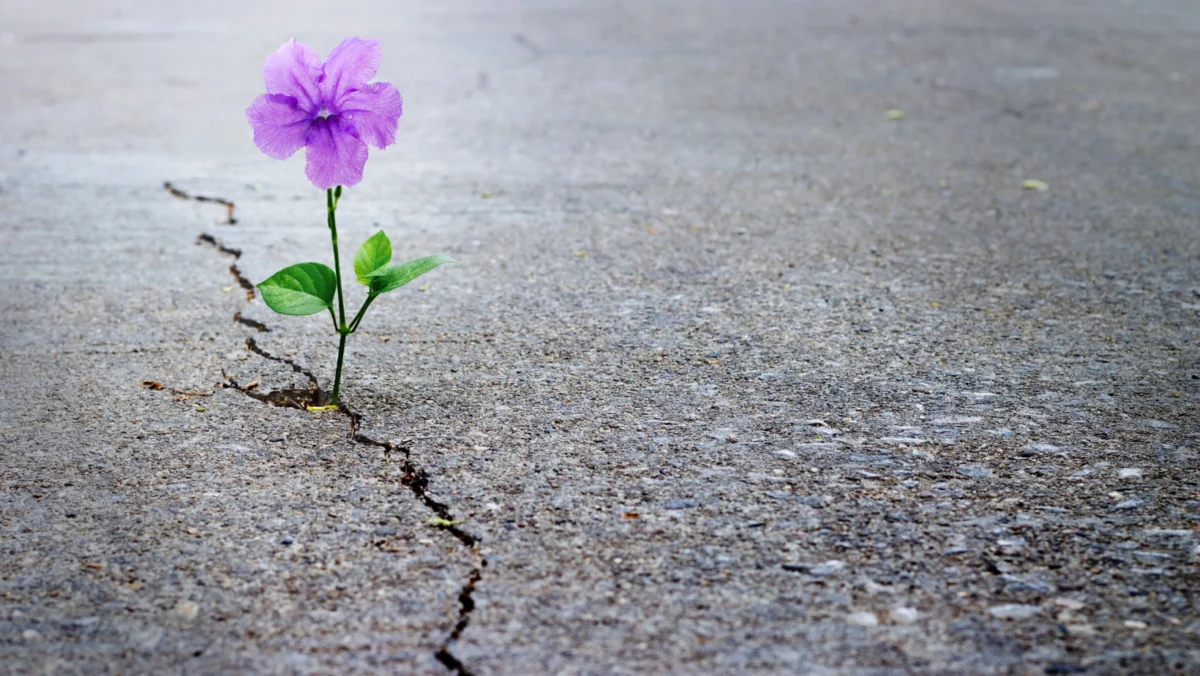
Perhaps the most profound takeaway is the discovery that boundaries are often more elastic than they appear. The "lines" that chronic pain draws are real, but they are not necessarily permanent borders. By pushing against these lines through small, consistent acts of purpose, individuals can expand their capacity for engagement with the world.
3. The Power of Mutualism
The experience highlights the critical importance of horizontal support. In a system where the patient is usually the recipient of care, shifting into a role where the patient provides care creates a sense of agency. This agency is a potent antidote to the helplessness that often accompanies chronic, incurable conditions.
Conclusion: The New Definition of Growth
Growth in the context of chronic illness does not always look like recovery. Often, it looks like adjustment. It looks like the courage to show up on camera, the vulnerability to share one’s reality, and the resilience to say, "Good morning, everyone," even when the body is in protest.
As Michele Rice’s journey demonstrates, chronic pain may dictate the shape of one’s life, but it does not have the authority to erase one’s capacity for growth, contribution, or human connection. By stepping beyond the self-imposed lines of her own routine, Rice has provided a roadmap for others.
True growth, it seems, is not about the absence of pain or the return to a pre-illness state. It is about finding the strength to build a meaningful life within the lines, while occasionally finding the courage to step just a little bit outside of them. In doing so, we don’t just survive our pain—we transform it into something that nourishes us, and in turn, nourishes those around us.