










As we cross the threshold of 60, our definition of physical fitness shifts. It is no longer about hitting personal bests in a powerlifting gym or running marathons; it is about "functional autonomy"—the ability to navigate the world with confidence, independence, and grace. Whether you are lifting a heavy grocery bag, navigating a flight of stairs, or simply rising from a deep armchair, the quality of your movement defines your quality of life.
Recent studies underscore that strength after 60 is the primary predictor of sustained independence. But how do you measure that strength without a complex lab setup? By returning to the basics. Three foundational exercises—the incline push-up, the bodyweight squat, and the alternating reverse lunge—serve as a perfect "litmus test" for your physical status.
The Core Philosophy: Why Functional Strength Matters
Strength is the foundation of longevity. Scientific literature, including research published in journals such as Gerontology, consistently highlights that muscular strength and power are the strongest buffers against frailty. When you maintain your muscle mass, you are effectively protecting your metabolic health, bone density, and nervous system efficiency.
The three-move challenge presented here is not merely about muscle size; it is about neuromuscular control. It tests your ability to stabilize your core, balance your weight, and produce force through a full range of motion. By assessing these movements, you gain a clear, objective baseline. This feedback loop allows you to shift from "guessing" your fitness level to systematically improving it.
The 3-Exercise Strength Check: A Chronological Guide
To perform this challenge correctly, you must approach it with a focus on form rather than speed. Complete the movements in order, allowing yourself adequate rest between sets to ensure that fatigue does not compromise your technique.

1. The Incline Push-Up: Testing Upper-Body Integrity
The push-up is the gold standard for upper-body pressing, but the standard floor version can be taxing on the wrists and shoulders for many. The incline push-up, performed against a sturdy bench, table, or countertop, allows you to maintain perfect alignment while testing your chest, shoulder, and triceps strength.
- The Execution: Place your hands on a stable, elevated surface. Walk your feet back until your body forms a straight line from your heels to your head. Keep your core tight—avoid sagging your hips. Lower your chest toward the surface, aiming for a 90-degree bend in the elbows, then press back to the starting position.
- The Standard: 12 clean repetitions.
- The Assessment: If you struggle, utilize a higher surface (like a wall). If 12 feels effortless, move to a lower surface to increase the challenge.
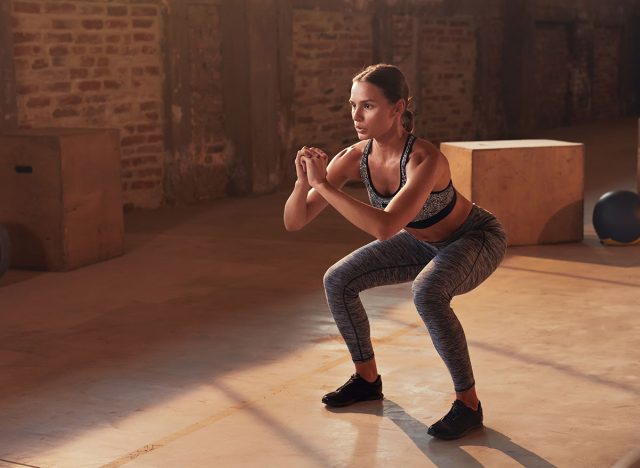
2. The Bodyweight Squat: Lower-Body Power
The squat is the quintessential movement of daily life. Every time you sit down or stand up, you are performing a squat. This test measures not only your leg strength but your mobility in the hips and ankles.
- The Execution: Stand with feet shoulder-width apart. Begin by hinging at the hips, as if reaching for a chair behind you. Keep your chest up and your weight distributed across your entire foot—not just the toes. Descend until your thighs are roughly parallel to the floor, then drive through your heels to return to a standing position.
- The Standard: 15 consistent repetitions.
- The Assessment: If you lose balance or struggle to reach depth, use a chair as a target. Squatting down until your glutes lightly touch the chair and then standing back up is a perfect way to build the necessary range of motion.
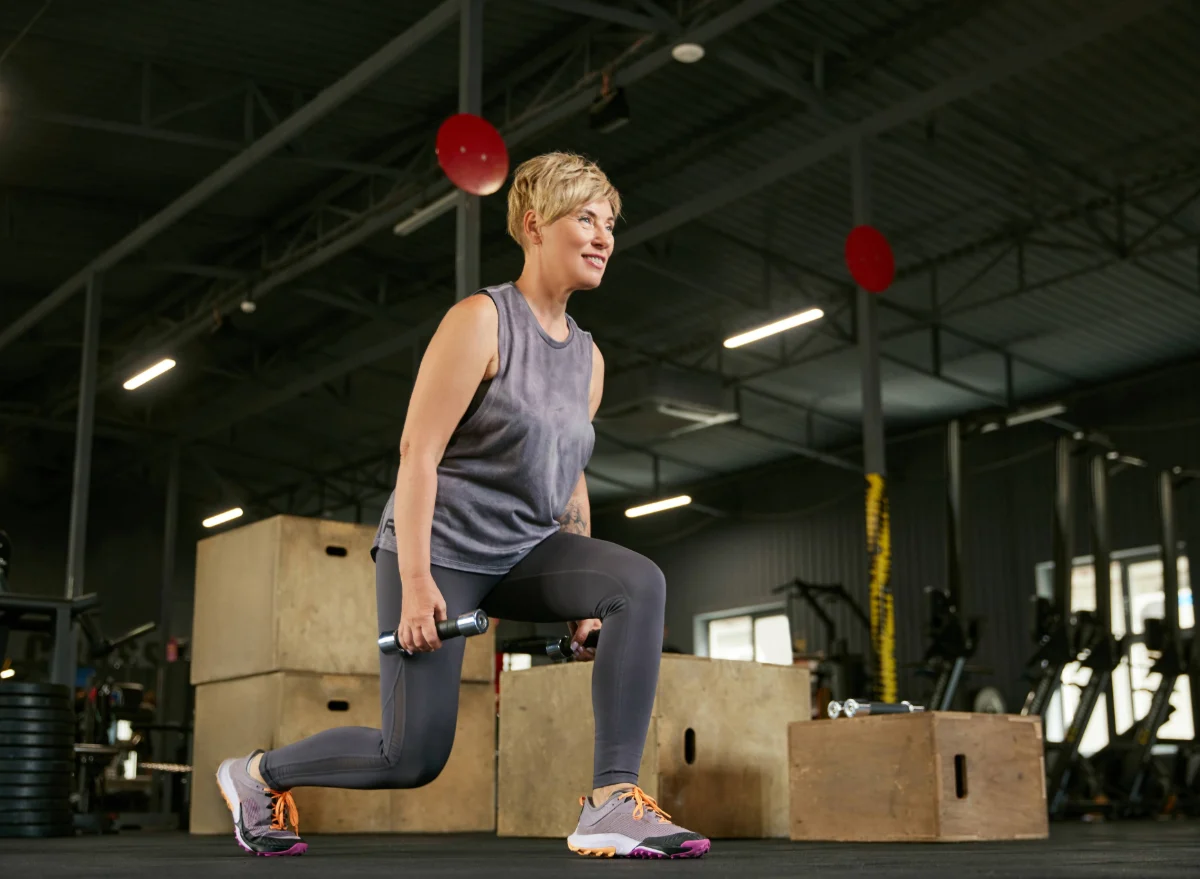
3. The Alternating Reverse Lunge: Balance and Coordination
The reverse lunge is superior to the forward lunge for many over 60, as it puts less shearing force on the knee while testing unilateral stability. This move ensures that your left and right sides are equally capable.
- The Execution: Stand tall, hands on your hips or at your sides. Step one foot backward, lowering your back knee toward the floor. Both knees should bend at roughly 90-degree angles. Push off the front foot to return to the starting position, then switch legs.
- The Standard: 8 repetitions per side (16 total), performed with total control.
- The Assessment: If balance is an issue, perform these near a wall or a sturdy railing so you can lightly touch it for safety as you gain confidence.
Supporting Data: What the Science Says
Clinical data from various health organizations indicates that muscle atrophy (sarcopenia) accelerates after age 50 if not countered by resistance training. The three movements identified here target the primary muscle chains—the posterior chain (glutes/hamstrings) and the anterior push chain (chest/shoulders).
According to a 2015 study in the Journal of the American Geriatrics Society, participants who engaged in regular, functional resistance training showed a 30% reduction in the risk of falls and a significant increase in "timed up-and-go" test scores—a common clinical measure for geriatric mobility. By mastering these three exercises, you are essentially "training for life," ensuring that your body remains an asset rather than a liability as you age.

Official Perspectives: The Expert Consensus
Physical therapists and geriatric specialists generally agree that the "standardization" of movement is more important than the weight lifted. "It isn’t about how many pounds you can push," notes one leading expert in functional gerontology. "It is about whether your joints move through their full intended range without pain or hesitation. If you can perform these movements with control, you possess the raw materials for a high-functioning life in your 70s, 80s, and beyond."
The consensus is clear: the goal is to cultivate a body that is "hard to break." These exercises help identify "weak links"—perhaps your right side is weaker than your left, or your squat depth is limited by ankle mobility. Identifying these early allows you to address them through targeted stretching and consistent practice.
Implications: Why This Matters for Your Future
Completing all three of these exercises is a hallmark of "above-average" physical readiness for those over 60. However, the true value lies not in the pass/fail result, but in the repeatability.
1. Enhanced Cognitive-Physical Link
Functional training isn’t just for muscles; it’s for the brain. Learning to coordinate a lunge requires significant focus and proprioception (your body’s awareness of its position in space). Regular practice improves balance and cognitive sharpness.
2. Metabolic Efficiency
Muscles are the largest glucose-disposal organs in the body. By maintaining the muscle mass required to perform 15 squats or 12 push-ups, you are directly supporting your blood sugar regulation and cardiovascular health.
3. Psychological Empowerment
Perhaps the most profound implication is the psychological shift. When you know you can physically support yourself, you are more likely to stay active, travel, and engage with the world. The fear of "being unable" vanishes, replaced by a quiet confidence that your body is capable of handling the unexpected demands of daily life.
A Roadmap for Progress
If you find that you cannot currently meet these standards, do not be discouraged. Fitness is a journey, not a destination.
- Phase 1 (Weeks 1-4): Focus on consistency. Perform these moves twice a week with assistance (walls, chairs).
- Phase 2 (Weeks 5-8): Reduce the support. If you were using a wall for lunges, try doing them with only one hand for balance.
- Phase 3 (Weeks 9+): Aim for the full standard. Once you can hit the numbers, focus on tempo—slowing down the "lowering" phase of the movement to build greater tendon strength and muscle density.
In conclusion, the "three-move test" is a powerful, accessible, and vital diagnostic tool for anyone over 60. It strips away the complexity of modern fitness and brings us back to the reality of the human body: we were designed to move, to push, and to stand. By reclaiming these patterns, you are not just exercising; you are investing in the most important asset you own—your independence.