









As the calendar turns to May, the United States observes two significant annual milestones: Older Americans Month and Mental Health Awareness Month. While these observances often run in parallel, they intersect at a critical, often overlooked junction: the pervasive and deleterious impact of loneliness and social isolation among our aging population.
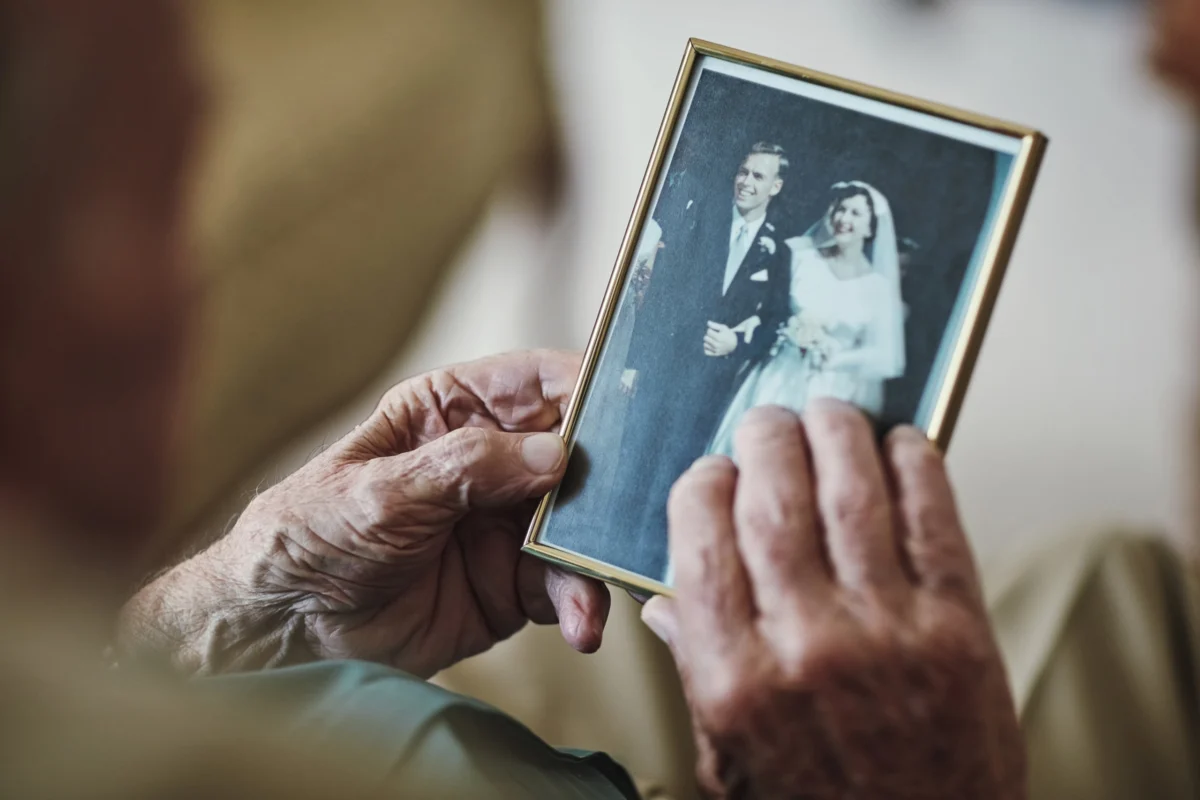
For millions of seniors, the golden years are not defined by leisure and connection, but by the quiet, heavy shroud of isolation. As we delve into this intersection of aging and mental health, it becomes increasingly clear that loneliness is not merely a social inconvenience; it is a profound public health crisis that demands urgent attention from families, policymakers, and healthcare providers alike.
The Reality of Isolation: Main Facts
Loneliness is a universal human experience, yet its chronic manifestation in older adults has reached epidemic proportions. According to data from the National Institute on Aging (NIA), approximately one in four adults aged 65 and older reports experiencing social isolation on a daily basis.
It is vital to distinguish between two related concepts: social isolation and loneliness. Social isolation is the objective lack of contact with other people, measurable by the size of one’s social network and the frequency of interactions. Loneliness, by contrast, is the subjective, distressing feeling of being alone or separated, regardless of how many people are around. Both conditions are dangerous, yet they often feed into one another, creating a self-reinforcing cycle of withdrawal and emotional atrophy.
A Chronology of the Crisis
The trajectory of this issue has accelerated significantly over the past two decades.
- Early 2000s: Researchers began identifying the "social determinants of health" as key indicators for longevity, with social integration emerging as a primary factor.
- 2010s: The rise of digital communication and the "death of the third place" (community spaces) began to shift how older adults interacted with their neighborhoods.
- 2020–2022: The COVID-19 pandemic served as a devastating catalyst. While necessary for physical safety, lockdowns forced millions of seniors into total isolation, exacerbating pre-existing conditions and creating a "loneliness spike" that the geriatric community is still struggling to recover from.
- 2023–Present: The U.S. Surgeon General issued a formal advisory labeling loneliness as a public health epidemic, placing it on par with smoking and obesity in terms of mortality risk.
Supporting Data: The Biological Cost of Being Alone
The physiological consequences of loneliness are stark. Scientific consensus now indicates that social isolation is linked to a 29% increase in the risk of incident coronary heart disease and a 32% increase in the risk of stroke.
Furthermore, the data suggests that chronic loneliness acts as a chronic stressor on the human body. It triggers the sympathetic nervous system, leading to elevated levels of cortisol—the "stress hormone." When sustained, this state of hyper-arousal leads to systemic inflammation, weakened immune responses, and cognitive decline. Research published in the Journal of the American Geriatrics Society highlights that socially isolated seniors are at a significantly higher risk of developing dementia, with studies suggesting a 50% increase in the likelihood of a diagnosis compared to their socially engaged peers.
Drivers of Disconnection: Why It Happens
Loneliness is rarely the result of a single event; it is usually the culmination of cascading life changes that erode an older adult’s confidence and ability to engage with the world.
1. Physical Mobility and Transportation
For many seniors, the "world" shrinks to the size of their living room simply because they can no longer navigate the public sphere. When driving ceases—whether due to vision loss, reaction time, or cognitive changes—the ability to attend religious services, visit friends, or even grocery shop vanishes. If public transportation is inaccessible or intimidating, the senior becomes a prisoner in their own home.
2. Communication Barriers
Hearing and vision loss are silent culprits of isolation. When a senior can no longer follow a conversation in a loud restaurant or read a menu, they begin to avoid social gatherings. This is not because they lack interest in people, but because the cognitive effort required to participate becomes exhausting.
3. The "Empty Nest" and Bereavement
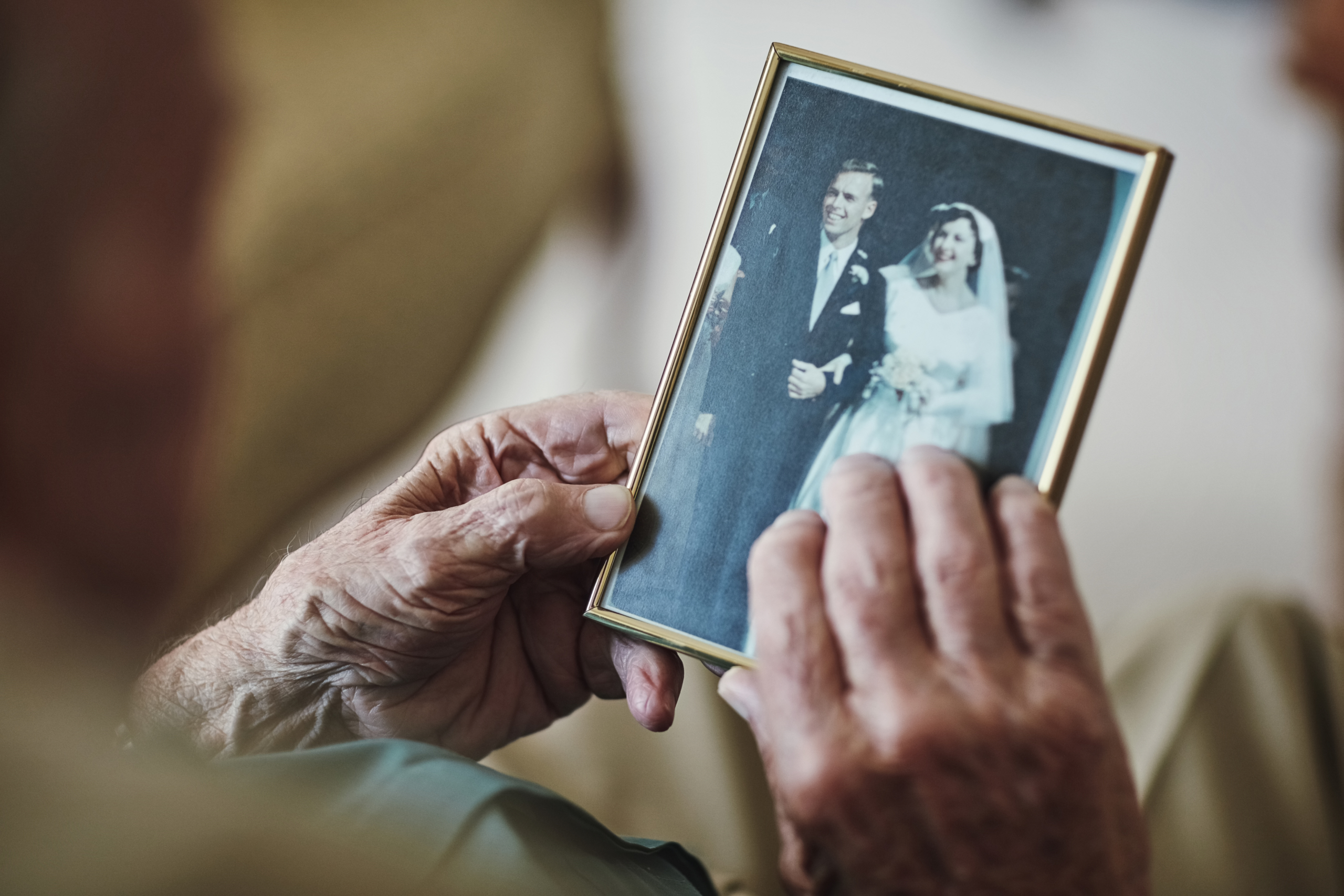
The loss of a spouse, the relocation of children and grandchildren, and the death of peers create an "accumulation of losses." As an individual’s original social circle diminishes, the effort required to forge new connections in older age can feel insurmountable.
Official Responses and Policy Shifts
Government bodies and national health organizations are now treating social connection as a clinical priority. The NIA has developed comprehensive toolkits designed to help older adults stay connected, emphasizing the need for "intergenerational programming"—initiatives that bring the youth and the elderly together to combat mutual feelings of loneliness.
The Eldercare Locator, an initiative of the U.S. Administration on Community Living, acts as a vital bridge, connecting families to local services that provide everything from transportation assistance to community meal programs. These programs are not just "nice to have"; they are essential preventative medicine.
Implications for the Future
The implications of ignoring this crisis are grave. As the "Silver Tsunami"—the massive demographic shift of the Baby Boomer generation—continues, our healthcare system risks being overwhelmed by the fallout of isolation-related illnesses.
If we continue to view loneliness as an inevitable part of aging, we will fail to address the root causes. We must transition from a reactive model—treating the heart disease or the depression after it manifests—to a proactive model of "social prescribing." This means that healthcare providers should be as concerned with a patient’s social network as they are with their blood pressure.
Bridging the Gap: What Can Be Done?
The solution lies in a multi-layered approach:
- For the Individual: Staying engaged requires intentionality. This might mean joining a senior center, volunteering, or learning a new technology to maintain contact with distant family.
- For the Family: Regular check-ins go beyond "how are you?" Family members should look for the subtle signs of withdrawal—unopened mail, changes in hygiene, or a lack of interest in previously loved hobbies.
- For the Community: Urban planning must prioritize age-friendly infrastructure. Sidewalks, accessible parks, and well-lit transit stops are not just for commuters; they are the lifelines that keep seniors connected to their community.
Conclusion: A Call to Action
As we recognize Older Americans Month, we must commit to more than just a celebratory acknowledgment of our elders. We must commit to an environment where no one is left in the shadows. Loneliness is a public health crisis that is entirely solvable, but it requires the collective effort of neighbors, policymakers, and families to bridge the gap.
We must foster a culture where asking for social support is viewed with the same validity as asking for a medical prescription. By addressing the physical, emotional, and systemic barriers to connection, we can ensure that our aging population is not just living longer, but living with the vibrancy, dignity, and companionship they deserve.
The silence of a home does not have to be the sound of a life ending; with the right resources and a concerted societal effort, we can turn the volume back up on the lives of our older Americans.
Katie Riley serves as Vice President of Communications at the Alliance, where she advocates for the health and dignity of older adults. For more resources on combating loneliness, visit the National Institute on Aging or use the Eldercare Locator to find services in your community.