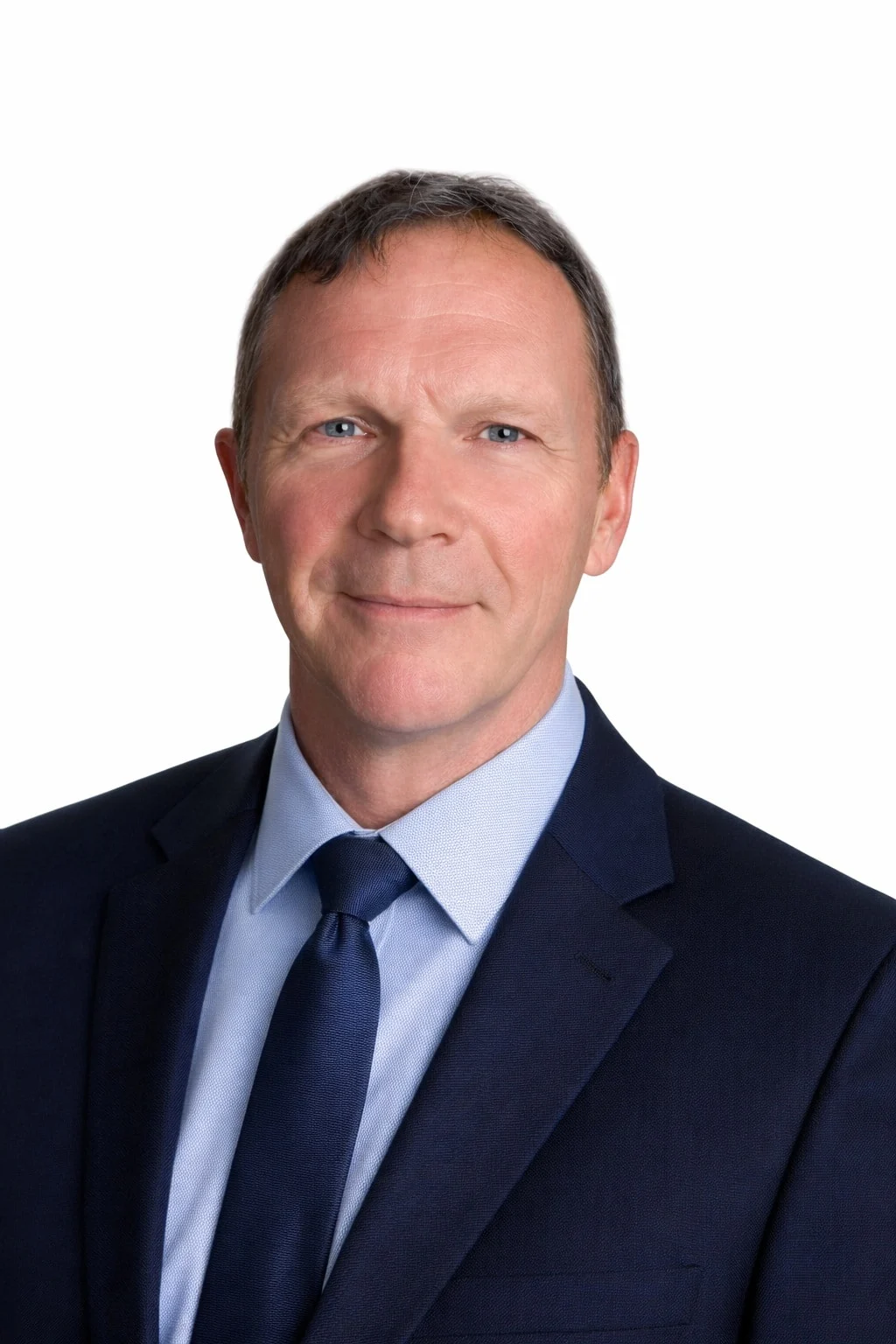
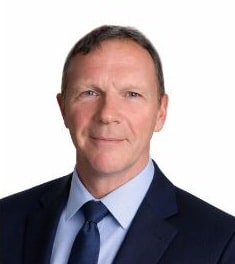
The Alliance for Aging Research has long stood as a vanguard for science-driven policy, dedicated to improving the universal human experience of aging. At the heart of this mission lies a team of passionate advocates, researchers, and policy strategists. This month, the Alliance highlights the career and contributions of Scott Frey, Senior Vice President of Public Policy and Government Relations.
With a career spanning nearly four decades in the nation’s capital, Frey brings a seasoned perspective to the complex challenges of federal health policy. As the Alliance continues to navigate an era of rapid scientific advancement and shifting political landscapes, Frey’s leadership serves as a critical bridge between laboratory innovation and the legislative halls where health policy is forged.
The Policy Architect: Main Facts and Role
As the Senior Vice President of Public Policy and Government Relations, Scott Frey acts as the primary liaison between the Alliance for Aging Research and the stakeholders who shape the nation’s health agenda. His role is multifaceted, involving high-level engagement with members of the U.S. Congress, officials within the Federal Executive Branch, and a broad coalition of patient advocacy groups.
Frey’s objective is to ensure that federal policy remains anchored in scientific rigor. In an environment where misinformation often competes with evidence-based research, his work is vital to maintaining public trust in science. By translating the complex medical needs of an aging population into actionable legislative priorities, Frey ensures that the Alliance’s mission—to accelerate the pace of medical discovery and improve the quality of life for older adults—is at the forefront of the national conversation.
A Journey of Service: Chronology and Motivation
Frey’s commitment to public policy is not merely professional; it is deeply rooted in his personal history. Born in central and western Pennsylvania, his formative years were shaped by the industrial decline of the mid-20th century.
The Path to Washington
Following his graduate studies, Frey moved to Washington, D.C., in 1987. It was a transformative period for the region. He witnessed the rapid disappearance of stable, well-paying manufacturing jobs, a trend that brought with it a cascade of economic consequences: declining quality of life and the erosion of retirement security for thousands of families.
"Looking back, that experience shaped my passion for public service," Frey notes. "I saw how macroeconomic shifts directly impacted the security of our seniors, and it instilled in me a desire to fight for structural change."
Honoring a Promise
Perhaps the most poignant chapter of his journey began upon his graduation from college. His grandmother, his sole surviving matriarch at the time, made a simple but profound request: "Go down there to Washington and fight for us older folks."
For nearly forty years, that directive has served as his professional North Star. Every legislative battle, every budget hearing, and every policy briefing is viewed through the lens of that promise. His career has been defined by a transition from early advocacy for women’s health research—including historic campaigns to improve breast cancer detection—to his current, laser-focused mission of securing funding for geriatric education and aging research.
The Landscape of Advocacy: Supporting Data and Health Equity
The urgency of Frey’s work is underscored by the shifting demographics of the United States. As the "silver tsunami" continues to reshape the labor force and the healthcare system, the need for robust, science-backed policy has never been greater.
Addressing Inequities
Frey’s career is a testament to the power of patient-centered advocacy. In his early years on Capitol Hill, he was instrumental in highlighting the systemic inequities in women’s health. At that time, clinical research often overlooked the distinct biological and physiological needs of women, leading to gaps in diagnosis and treatment. Frey’s efforts helped pivot the legislative focus toward inclusive research models, a precursor to the modern, holistic approach to geriatric medicine he now champions.
Building Coalitions
Success in Washington is rarely achieved in isolation. Frey emphasizes the importance of the patient voice in the legislative process. "It’s been my honor to know and befriend so many patients and families who chose to channel their personal health care battles into a fight for positive change," he says. By facilitating the connection between these stories and the decision-makers who hold the purse strings for NIH and FDA funding, Frey ensures that the data is backed by human urgency.
Navigating the Political Climate: Official Perspectives
In an era of political polarization, maintaining a non-partisan, science-first approach is increasingly difficult. Frey describes the current landscape as one where "science-driven public policy and public trust in science are under serious attack, both outside and within the federal government."
The Challenge of Modern Governance
Frey’s strategy for the Alliance is built on the necessity of "nurturing the promise" of medical science. We are currently living through a period of unparalleled innovation in longevity and regenerative medicine. However, these advancements are useless if they remain trapped in the laboratory.
"We sit on the cusp of so many promising and long-awaited new developments in treatments and access to care," Frey explains. His work involves clearing the regulatory and financial hurdles that prevent these treatments from reaching the patients who need them most. This requires a delicate balance: advocating for innovation while ensuring that the federal government remains a responsible steward of public health, safety, and funding.
Implications for Healthy Aging
When asked about the future of aging, Frey’s perspective is one of cautious optimism tempered by the reality of the work ahead. He views aging not as a state of decline, but as a dynamic process that demands continuous engagement.
The Philosophy of "Active Aging"
"Much of the work I began so many years ago is coming to fruition, yet it’s never finished," Frey observes. "Every success brings new challenges. Embracing new challenges is critical to healthy aging."
This philosophy mirrors the Alliance’s broader goals. As the organization pushes for better treatments for Alzheimer’s, heart disease, and mobility issues, they are simultaneously redefining what it means to grow old in the 21st century. The implication is clear: longevity is a societal goal that requires investment today to ensure quality of life tomorrow.
Personal Approaches to Longevity
Frey’s own life serves as an example of this philosophy. A man of deep intellectual curiosity, he balances his demanding career with a love for literature—citing Joseph Heller’s Catch-22 and the works of Kurt Vonnegut as staples in his personal library. This ability to engage with complex, often cynical, yet deeply human narratives speaks to his approach to Washington. He understands the absurdity of the political machine, yet he remains deeply committed to the human stories that make the work worthwhile.
Looking Ahead: The Mission Continues
As Scott Frey approaches his two-year mark with the Alliance for Aging Research, he remains as energized as he was in 1987. The challenges are different—the policy focus has shifted from basic research access to the complexities of high-cost therapeutics and global health security—but the core mission remains the same: fighting for the security and health of older adults.
For those who work alongside him, Frey represents a rare combination of historical institutional knowledge and forward-looking strategic vision. He is a reminder that behind every policy success, there is a dedicated individual, a personal promise, and an unyielding belief that better outcomes for the aging population are not only possible but essential.
In a city defined by transient alliances and short-term cycles, Scott Frey’s career stands out as a long-term commitment to the dignity of the human lifespan. As he continues his work, he carries with him the weight of that promise made to his grandmother—a promise that, in many ways, he has been keeping for all of us for nearly four decades.