








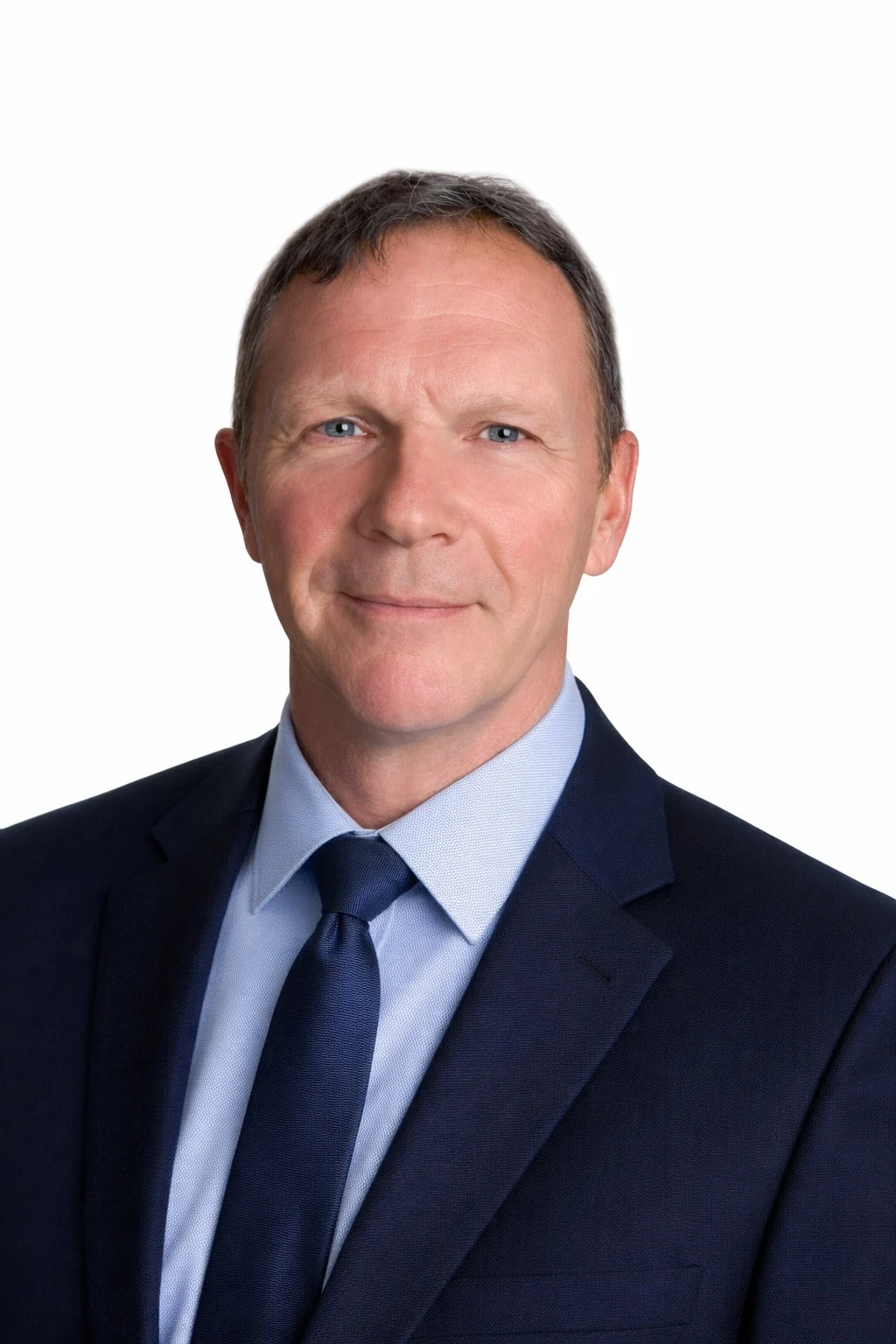
The Alliance for Aging Research has long stood as a vanguard in the fight to improve the universal human experience of aging. At the heart of this mission lies a dedicated team of experts, researchers, and advocates who bridge the gap between scientific innovation and federal legislative action. This month, the Alliance shines a spotlight on Scott Frey, the Senior Vice President of Public Policy and Government Relations, whose decades of experience and deeply personal commitment to public service are driving the next generation of health policy.
The Architect of Policy: Main Facts and Role
As the Senior Vice President of Public Policy and Government Relations, Scott Frey occupies a critical nexus within the Alliance. His day-to-day responsibilities involve high-level engagement with key stakeholders, federal agencies, and decision-makers on Capitol Hill. His work is centered on translating complex, science-driven research into actionable public policy.
Frey’s role is not merely administrative; it is strategic. In an era where scientific integrity is increasingly scrutinized, he acts as a guardian of evidence-based advocacy. He navigates the intricate landscape of the Federal Executive Branch and Congress to ensure that the Alliance’s policy goals—ranging from increased funding for geriatric research to equitable access to medical breakthroughs—are not only heard but acted upon. His leadership is essential in maintaining the public trust in science, ensuring that policy remains tethered to the realities of medical progress rather than the whims of political cycles.
A Career Shaped by History: Chronology and Motivation
To understand Scott Frey’s passion, one must look to the late 1980s. A native of central and western Pennsylvania, Frey arrived in Washington, D.C., in 1987. It was a transformative era for the American workforce.
“It was a time when good-paying manufacturing jobs were rapidly disappearing across the towns and cities I knew,” Frey recalls. “With those jobs went a declining quality of life and diminished retirement security for so many.”
This observation of economic and social erosion served as the crucible for his career. Witnessing the struggle of his home community—and the subsequent impact on aging populations—ignited a fire that would define his professional trajectory.
His journey began with a promise. Upon graduating from college, his grandmother, his sole surviving elder, gave him a directive: “Go down there to Washington and fight for us older folks.” That request was her final wish for him, and it remains the bedrock of his career. Nearly four decades later, Frey continues to view his work not just as a job, but as the fulfillment of a deeply personal, intergenerational covenant.
The Crucible of Advocacy: Supporting Data and Experience
Frey’s tenure at the Alliance for Aging Research, spanning one year and eight months, is merely the most recent chapter in a long history of public service. His background is marked by a legacy of legislative victories, particularly regarding equity in health research.
During his early years in Congress, Frey was instrumental in efforts to address systemic inequities in women’s health research. He played a role in the historic campaign that expanded federal support for breast cancer early detection and research, a landmark moment that set the standard for patient-centered advocacy. This experience in mobilizing resources and shifting legislative priorities prepared him for his current focus: the aging population.
When asked about his most rewarding projects at the Alliance, Frey resists singling out a single initiative, likening it to choosing a favorite child. However, he emphasizes the broader mission of preserving the integrity of science. “It’s rewarding and exciting to play a part in the fight to ensure science-driven public policy,” he says, noting the urgency of the current political climate where the imperative of scientific rigor is under attack from both inside and outside the federal government.

Professional Insight: Official Responses on Healthy Aging
Frey’s perspective on healthy aging is rooted in the intersection of medical advancement and societal responsibility. He observes that we are currently living through one of the most promising periods in the history of medical science.
“We sit on the cusp of so many promising and long-awaited new developments in treatments and access to care,” Frey notes. He argues that the Alliance’s role is to ensure these developments are not just created in a lab, but reach the people who need them most.
His approach to his own aging has been fundamentally altered by his work. He believes that the key to healthy aging is an active, ongoing engagement with new challenges. “Much of the work I began so many years ago is coming to fruition, yet it’s never finished,” he explains. “Every success brings new challenges. Embracing new challenges is critical to healthy aging.” This philosophy—a refusal to stagnate—drives the Alliance’s broader goals to transform aging from a period of decline into a phase of continued growth and health.
The Human Element: Implications for the Future
The impact of Frey’s work extends far beyond the marble halls of Washington. It is felt in the stories of the patients and families he has befriended over the decades. He has seen firsthand how individuals choose to channel their personal health battles—whether through cancer, geriatric conditions, or chronic disease—into advocacy for others.
These stories serve as the moral compass for his policy work. He recognizes that every piece of legislation, every budget increase, and every policy adjustment has a human face. By championing the rights of the aging, he is not just fighting for a demographic; he is fighting for the future version of every citizen.
A Life Informed by Literature
Beyond the policy briefs and legislative agendas, Frey’s intellectual life is rich and varied. His love for literature reflects his complex, analytical, and humanistic outlook on life. His favorites include the satirical cynicism of Joseph Heller’s Catch-22, the social commentary of Kurt Vonnegut, and the timeless human insights of William Shakespeare. For younger generations, he advocates for the works of A.A. Milne and Maurice Sendak—books that celebrate the wonder of childhood, a fitting interest for a man dedicated to ensuring that the later stages of life are just as dignified and cherished.
Conclusion: A Legacy of Promise
Scott Frey’s work at the Alliance for Aging Research is a testament to the power of sustained, purposeful advocacy. In a city often criticized for its short-term focus, Frey represents a long-term commitment to the aging population.
His tenure has been marked by a blend of historical perspective and forward-looking optimism. As the global population continues to age, the challenges faced by the Alliance—and by leaders like Frey—will only grow in complexity. Yet, guided by his grandmother’s final request and bolstered by years of legislative success, Frey remains steadfast. He stands as a reminder that the fight for healthy aging is not just a scientific endeavor; it is a moral one, requiring the grit, intellect, and empathy that he brings to the table every single day.
As he continues his work at the Alliance, Scott Frey is not merely observing the evolution of aging—he is actively shaping it, ensuring that the promise of tomorrow’s science serves the humanity of today.