For individuals living with Chronic Obstructive Pulmonary Disease (COPD), physical activity is widely considered the cornerstone of effective disease management. Daily walking, in particular, is frequently prescribed by pulmonologists to improve cardiovascular health, maintain muscle mass, and prevent the rapid decline of lung function. However, a groundbreaking new study published in the journal Thorax introduces a critical nuance to this standard advice: the environment in which that exercise takes place may be just as important as the activity itself.
According to the study, while physical activity is essential for those with COPD, walking in areas with high levels of traffic-related air pollution—specifically black carbon—can paradoxically aggravate respiratory symptoms. This finding highlights the complex interplay between environmental health and chronic respiratory disease, suggesting that "where" one walks is as vital as "how far" one walks.
The Core Conflict: Exercise vs. Pollution
The study, titled "Effects of the interaction between walking activity and air pollution on daily respiratory symptoms in people with COPD," explores the physiological trade-offs of urban exercise. Researchers set out to determine whether the benefits of increased ventilation during exercise might be offset by the inhalation of concentrated pollutants, which are common in high-traffic corridors.
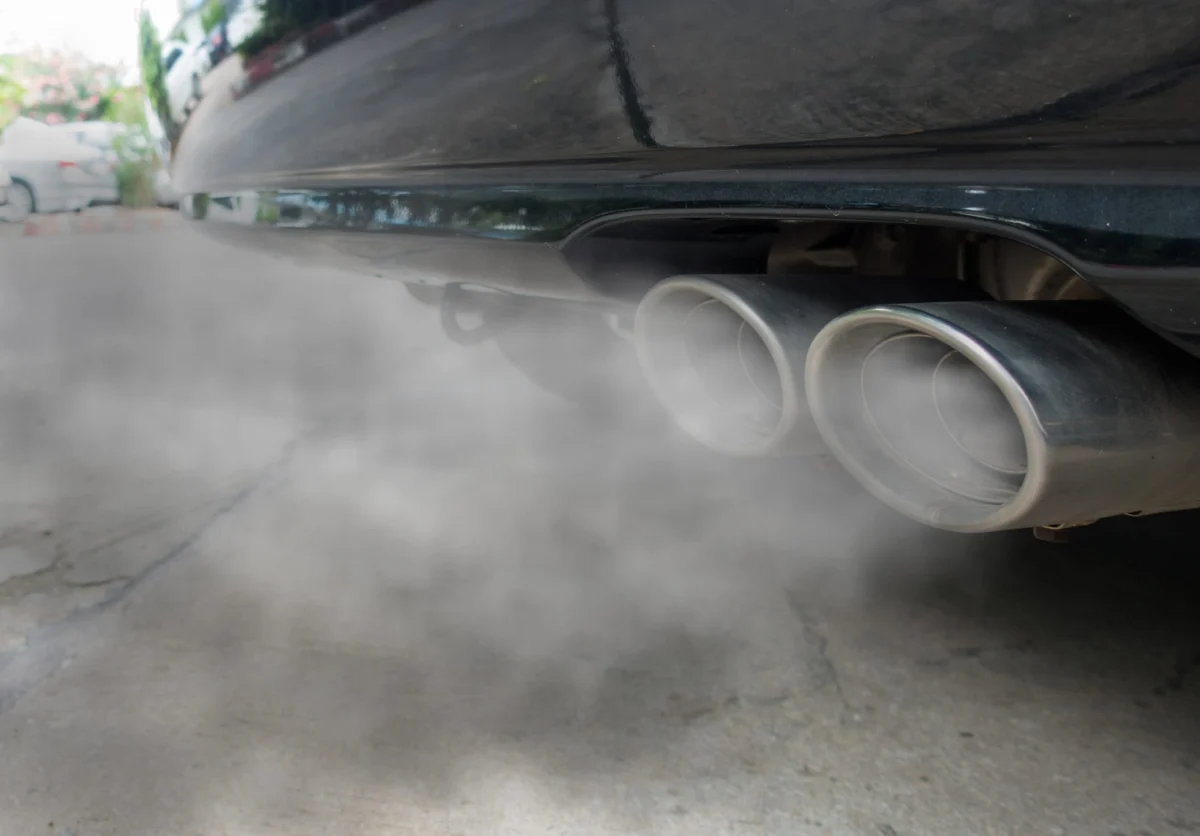
The primary finding is striking: longer walking durations were directly linked to higher levels of cough and sputum production, but only on days when ambient concentrations of black carbon were elevated. Black carbon, a component of fine particulate matter (PM2.5) produced primarily by diesel engine combustion and other traffic-related sources, appears to be the primary culprit. While nitrogen dioxide and general fine particulate matter were also associated with increased coughing, the specific "interaction effect"—where exercise duration magnified the severity of symptoms—was unique to black carbon exposure.
Study Methodology: A Multicenter Panel Analysis
To arrive at these conclusions, researchers conducted a multicenter panel study in Catalonia, Spain, involving 105 participants diagnosed with COPD. The study cohort provided a representative look at the condition, with a mean age of 68 years and a mean forced expiratory volume in 1 second (FEV1) of 53% of predicted values, indicating moderate-to-severe airflow obstruction.
The study design was rigorous, utilizing two distinct seven-day monitoring periods for each participant. Data collection involved three primary pillars:
- Activity Monitoring: Participants wore activity trackers that recorded daily walking duration and total step counts.
- Environmental Modeling: Researchers employed sophisticated geolocation data combined with land-use regression models to estimate daily exposure to fine particulate matter (PM2.5), black carbon, and nitrogen dioxide. This allowed the team to map participants’ movements against real-time local pollution levels.
- Symptom Reporting: Each evening, participants self-reported their respiratory health on a scale of 0 to 10, specifically tracking dyspnea (shortness of breath), cough, sputum production, and wheezing.
By analyzing the interaction between these three datasets, the researchers were able to quantify the impact of pollution on the health benefits of exercise. The results showed an incidence rate ratio of 1.8 for cough and 2.0 for sputum, indicating a significant and measurable increase in symptom severity when walking in high-black-carbon environments.
Chronology of Findings and Data Breakdown
The data analysis revealed that not all pollutants interact with physical activity in the same way. While all three measured pollutants—PM2.5, black carbon, and nitrogen dioxide—were individually linked to an increase in coughing, the synergistic effect of exercise was statistically significant only for black carbon.
The Mechanism of Damage
Why does black carbon pose a greater threat during exercise? The researchers suggest that during physical exertion, respiratory rates increase, leading to a higher volume of air being drawn into the lungs. If that air is laden with black carbon particles, those particles penetrate deep into the alveolar spaces. Once there, they are believed to trigger:
- Oxidative Stress: Creating an imbalance between free radicals and the body’s antioxidant defenses.
- Airway Inflammation: Causing a cascade of immune responses that tighten the airways and increase mucus production.
- Epithelial Injury: Damaging the delicate lining of the lungs, which further exacerbates the chronic cough and sputum production associated with COPD.
Statistical Significance
The study’s interaction analysis provides clear evidence of this relationship. By using an interaction incidence rate ratio, researchers demonstrated that the act of walking itself is not the cause of the symptom flare-up; rather, the walking serves as an "accelerant" for the pollution-induced damage. When pollution levels are low, the body is generally able to handle the increased airflow associated with exercise without an immediate, significant worsening of symptoms.
Implications for Healthcare Providers and Patients
A central concern for the research team was that these findings might be misinterpreted as a reason for patients with COPD to lead a sedentary lifestyle. The authors were careful to emphasize that healthcare providers should not discourage walking.
"Regular physical activity remains a cornerstone of the COPD prognosis," the study notes. "Walking helps with airway clearance by increasing ventilation and facilitating the expulsion of secretions." The goal, therefore, is not to decrease activity, but to optimize the quality of the environment in which that activity takes place.
Practical Recommendations
For the millions of people living with COPD worldwide, the study offers several actionable strategies:
- Route Planning: Patients should, whenever possible, choose walking routes away from high-traffic arteries, bus routes, and industrial zones. Public parks, residential side streets with lower traffic, and pedestrian-only areas are ideal.
- Timing: While the study did not explicitly test time-of-day variations, it is widely understood that traffic-related pollution peaks during morning and evening rush hours. Walking during mid-day or in the early afternoon may naturally reduce exposure to peak concentrations of black carbon.
- Monitoring Local Air Quality: The use of air quality apps that track localized PM2.5 and traffic data can empower patients to make informed decisions about whether to walk outdoors on a given day or choose an indoor alternative, such as a gym or a shopping mall, during periods of poor air quality.
Limitations and Future Research
While the Thorax study provides critical evidence for clinicians, the authors acknowledged several limitations that warrant future research. The study’s monitoring period was relatively short, and the demographic of the participant group was somewhat limited, with only 20% female representation. Furthermore, because the study relied on land-use regression models to estimate outdoor pollution, it did not account for variations in indoor air quality or personal exposure habits.
Future research should look to expand the cohort size and include more diverse populations across different geographic climates. Additionally, there is a need for studies that directly measure personal exposure—perhaps through wearable sensors—rather than relying on models. This would provide a more precise understanding of the dose-response relationship between exercise, pollution, and symptom management.
Conclusion: A New Standard of Care
The findings from this study represent a shift toward a more "environmentally aware" approach to chronic disease management. For patients with COPD, the world is not merely a backdrop for exercise; it is a complex, chemically varied environment that directly influences their daily comfort and long-term health.
By integrating environmental awareness into the clinical guidance provided to patients, healthcare professionals can help bridge the gap between necessary physical activity and the risks posed by modern urban living. As urban centers continue to grow and traffic-related pollution remains a persistent public health challenge, the simple act of choosing a "green route" over a "grey route" may become one of the most effective, low-cost interventions available to those fighting to breathe easier.
Summary of Key Takeaways
- Exercise is Still Essential: The benefits of walking for COPD patients far outweigh the risks; the goal is to modify the environment, not the habit.
- Black Carbon is the Primary Threat: Traffic-related pollution acts as a catalyst for respiratory symptoms, particularly cough and sputum, during exercise.
- Contextual Awareness: Patients are encouraged to utilize low-traffic routes to mitigate the inflammatory effects of air pollutants.
- Policy and Planning: The study underscores the need for city planners to prioritize air quality in areas frequented by pedestrians, which is especially vital for the aging and respiratory-compromised population.
This analysis is based on the research published by Josa-Culleré A et al. in the journal Thorax (2026), providing a vital framework for future COPD clinical guidelines.