










For millions of people across the United Kingdom, the weekly ritual of ordering takeout is a moment of indulgence—a respite from the kitchen that promises convenience and flavor. Yet, a startling new study from the University of Reading suggests that this convenience comes with a significant, invisible price tag. According to research published in the journal PLOS One, many of the nation’s most popular takeout meals contain substantially higher levels of salt than diners are led to believe, with some single servings eclipsing the recommended daily limit for an entire adult.
As public health officials struggle to curb the rising tide of cardiovascular disease and hypertension, the findings cast a long shadow over the transparency of the hospitality industry. When consumers reach for a menu, they are often making decisions based on the assumption that provided nutritional data is accurate. This study suggests that, in nearly half of all cases, those assumptions are dangerously misplaced.
The Anatomy of the Study: Methodology and Scope
The research, led by Professor Gunter Kuhnle at the University of Reading, sought to quantify the discrepancy between advertised salt content and the actual sodium levels found in common takeout fare. To conduct the investigation, the research team purchased 39 distinct takeout meals from 23 different establishments across Reading. The sample set was diverse, encompassing both national restaurant chains—which are often subject to stricter corporate nutritional standards—and independent local businesses.
By analyzing these meals in a laboratory setting, the researchers were able to bypass the "guesswork" that often defines menu labeling in the restaurant sector. The results were sobering: 47% of the foods tested contained significantly more salt than their stated nutritional values.
The Problem with "Guesswork" Labeling
One of the most critical takeaways from Professor Kuhnle’s research is the systemic difficulty restaurants face in providing accurate data. Unlike pre-packaged supermarket goods, where ingredients are standardized and measured in automated production lines, takeout is inherently artisanal and variable.
"It is very difficult for restaurants to provide accurate values without measuring each meal," Professor Kuhnle explained. "Variations in preparation methods, the ingredients used, and portion sizes mean food labels are often guesswork. It’s virtually impossible to know exactly how much salt is being added to your dinner."
This creates a structural issue within the industry. A chef might follow a recipe, but the amount of salt added to a sauce or a dough can vary wildly depending on who is working the line, the moisture content of the ingredients, or even the size of the chef’s hand. When these minor variations are multiplied across thousands of meals, the nutritional profile of a dish becomes a statistical outlier rather than a consistent product.
Chronology: The Evolution of Salt Reduction Policies
To understand the weight of this new research, one must look at the UK’s broader history regarding salt consumption. Over the past two decades, the UK has been a global leader in voluntary salt reduction targets for food manufacturers.
- 2003: The Food Standards Agency (FSA) initiates a ground-breaking salt reduction program, targeting processed foods.
- 2006–2011: Massive voluntary agreements with major food retailers lead to a significant decrease in the salt content of breads, cereals, and ready meals sold in supermarkets.
- 2014: Responsibility for salt reduction shifts to Public Health England (PHE), which continues to push for lower sodium levels in the food supply.
- 2020–2023: While shop-bought food has seen consistent improvements, the "out-of-home" sector (restaurants, cafes, and takeaways) remains largely unmonitored and unregulated.
- 2024: The University of Reading study highlights the widening gap between the healthy, low-salt supermarket landscape and the increasingly salty takeout sector.
While the food industry has largely complied with the pressure to reduce salt in packaged goods, the restaurant industry has largely been left to its own devices. The study underscores a "blind spot" in public health policy: as we have successfully cleaned up the grocery store aisles, we have ignored the rapidly expanding takeout sector, which now serves as a significant source of dietary sodium.
Supporting Data: Which Foods Are the Worst Offenders?
The research identified a hierarchy of salt content, with certain categories consistently performing worse than others.
The High-Salt Culprits
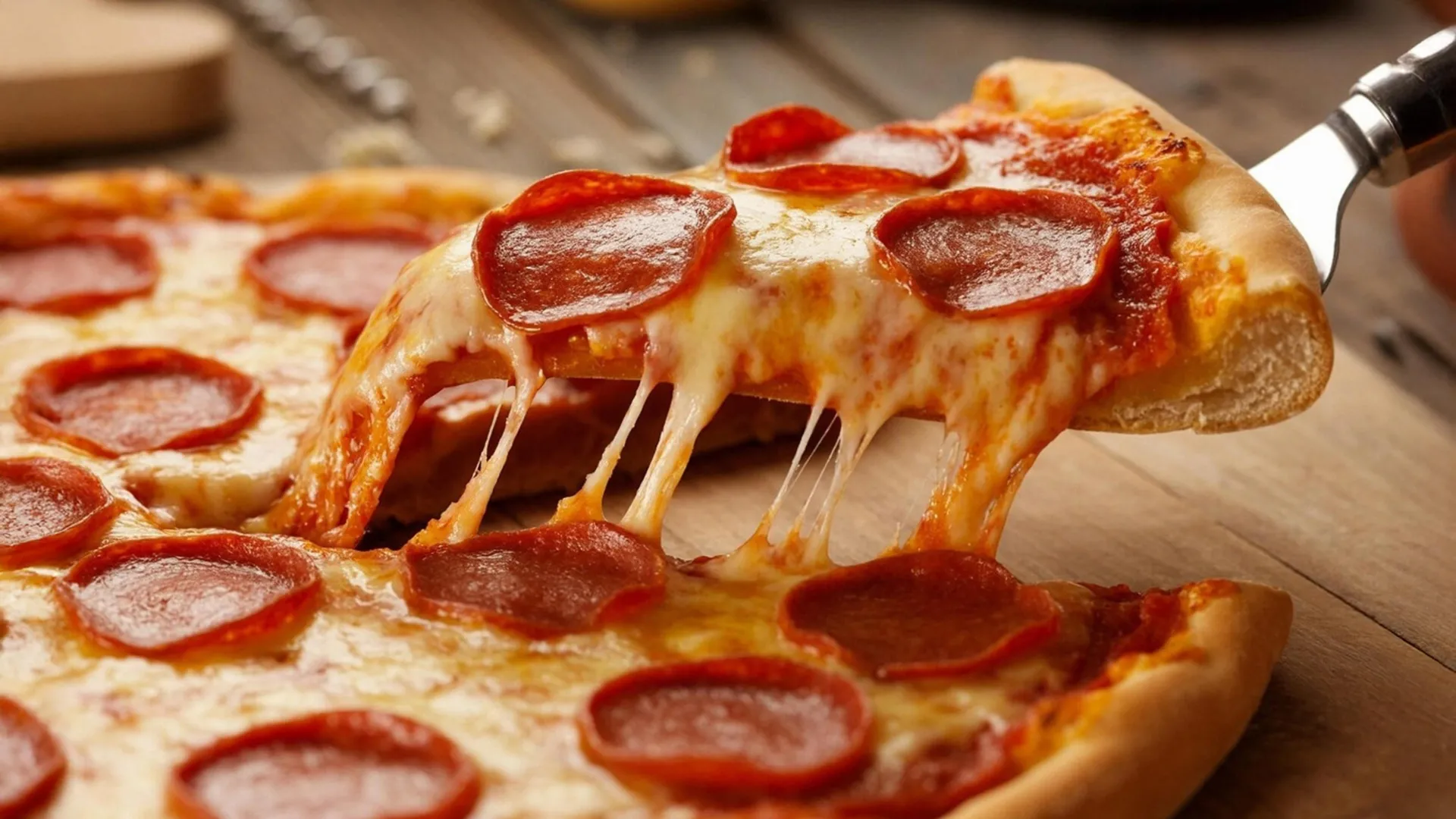
Curries, pasta dishes, and pizzas emerged as the primary offenders in the study. These dishes are often constructed from multiple high-salt components—salty sauces, processed cheeses, cured meats, and doughs that have been heavily seasoned. In some instances, independent restaurants provided meals containing over 10g of salt in a single serving. To put this in perspective, the National Health Service (NHS) recommends that an adult should consume no more than 6g of salt per day. A single meal, therefore, represented nearly 170% of the recommended daily maximum.
The Unexpected Outliers: Fish and Chips
Perhaps the most surprising finding was the performance of traditional British fish and chip shops. Historically viewed as a high-calorie, unhealthy option, these establishments actually served some of the lowest salt meals in the study. The reason is rooted in preparation culture: salt is typically added by the customer after the meal is served, rather than being cooked into the components of the dish. This "post-cooking" approach provides the consumer with control, keeping the base salt content significantly lower than that of complex restaurant dishes like pasta or pizza.
Official Responses and Industry Accountability
The release of the PLOS One study has ignited a conversation between public health advocates and the hospitality industry. While no official government policy shift has been announced, the study places immense pressure on restaurant chains to improve their transparency.
Industry representatives argue that the logistics of measuring salt in a high-pressure kitchen environment are prohibitive. However, health advocates suggest that if a restaurant chooses to label its food, that labeling must be held to the same legal standards as retail food.
"Menu labels are supposed to help people make better food choices," said Professor Kuhnle. "But our research shows that eating out is often a salty affair. The public needs to be aware that menu labels are rough guides at best, not accurate measures."
The lack of strict enforcement means that there is currently little incentive for restaurants to invest in the analytical testing required to provide accurate information. Without mandatory regulation, the burden of "salt awareness" remains squarely on the consumer.
The Global Implications: A Public Health Crisis
The implications of this research extend far beyond the UK’s borders. The World Health Organization (WHO) estimates that excess salt consumption contributes to 1.8 million deaths annually worldwide. Sodium intake is a primary driver of high blood pressure, which in turn acts as a silent precursor to strokes, heart disease, and kidney failure.
The Silent Killer
Because salt is invisible and often undetectable by taste in complex, spiced dishes (such as curries), consumers are often unaware that they are consuming a toxic amount of sodium. When a label says 3g, and the reality is 10g, the consumer has no way of adjusting their diet to compensate for the excess.
Recommendations for the Conscious Diner
Based on the study’s findings, experts suggest several strategies for diners:
- Treat Labels with Skepticism: View nutritional information as a "best-case scenario" rather than a factual guarantee.
- Prioritize "Customizable" Meals: Opt for restaurants where you can control the seasoning, such as those that serve sauces on the side.
- Monitor Frequency: The occasional high-salt meal is manageable, but the study highlights the dangers of regular takeout reliance.
- Demand Transparency: As consumers, requesting clearer nutritional data can pressure restaurants to invest in better measurement protocols.
Conclusion: Bridging the Information Gap
The University of Reading’s study acts as a vital wake-up call for both the public and the policymakers. We are living in an era where nutritional information is increasingly requested by the public, yet the delivery of that information in the restaurant sector remains fundamentally broken.
If we are to address the global crisis of non-communicable diseases, we must look beyond the grocery store. The "salty affair" of the takeout industry is a significant, yet preventable, contributor to the health challenges facing the UK today. Until such time as restaurants are held to higher standards of accuracy, the most powerful tool in the fight against excess salt remains a skeptical eye and an awareness of the hidden dangers lurking in our favorite dishes.
The path forward requires a dual approach: improved technology for restaurants to measure salt content, and more rigorous oversight to ensure that when a label claims to represent the contents of a meal, it does so with scientific integrity. Until then, the most "accurate" measure of salt in your takeout may simply be the realization that you are likely consuming far more than you think.